
This is planned for at the fitting stage — if a family needs a different style for, say, the haldi versus the main ceremony, that's factored into the booking rather than assumed to be one style throughout.
Premium Wedding Turban Tying Services in Solapur | Royal Wedding Safas
Get Pricing & Catalog on WhatsApp
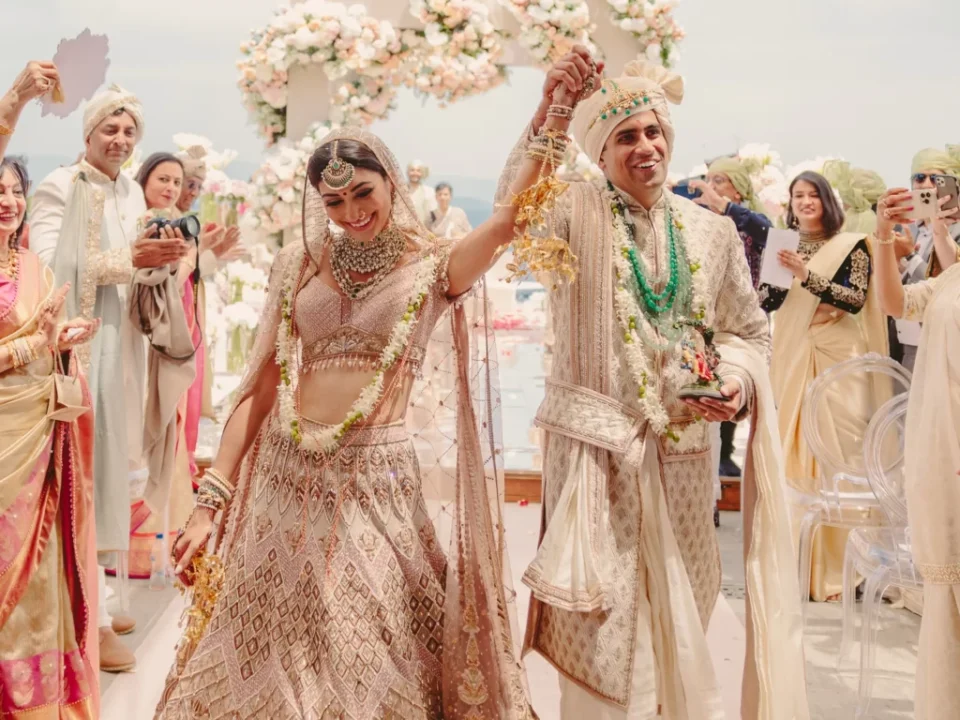
turban tying in Solapur through Safawala isn’t sold as a product on a shelf. It’s a service: a fitting appointment, a fabric conversation, and a stylist who ties the piece on the morning of the wedding.
For larger Solapur weddings, turban tying can be scaled to cover the full wedding party in one coordinated order, keeping the look consistent across the groom, father, and close relatives rather than booked separately.
Visit Our Solapur Studio
Safawala’s Solapur bookings are confirmed with a small advance, with the balance settled on delivery — a structure most families find easier to plan around than paying the full amount upfront for something they haven’t seen yet.
On the Wedding Day
Once the safa is tied on the wedding morning in Solapur, it’s built to hold through the full event — the ceremony, the photographs, and the reception — without needing to be re-tied partway through.
What Makes Safawala Different
turban tying bookings in Solapur come with a straightforward pricing structure agreed before the fitting, so there’s no renegotiation once the family has already committed to a date.
Local Expertise in Solapur
Solapur’s wedding season brings its own scheduling pressure, with multiple families often booking the same weekends. Safawala confirms stylist availability early for Solapur bookings specifically because of this pattern, rather than assuming a slot will always be open closer to the date.
Why Solapur Families Trust Us
Referrals make up a meaningful share of Solapur bookings, which says more about consistency than any single review could — families tend to recommend Safawala to relatives planning their own Solapur wedding only after seeing the process hold up for their own event.
Areas We Cover Near Solapur
Families planning a Solapur wedding with guests travelling from Pune or Aurangabad often ask about delivering a second or third safa to a different venue — Safawala coordinates this as part of the same booking.
What to Keep in Mind
It helps to confirm the outfit underneath — sherwani, kurta, or bandhgala — before the fitting, since the tying style and fabric pairing can shift depending on what’s worn with the safa.
Our Simple Booking Process
Once a Solapur booking is confirmed, Safawala handles fabric sourcing and quality checks without needing further input from the family, unless a specific change is requested.
Whether it’s one groom or a full wedding party, Safawala’s turban tying in Solapur is handled the same way: proper fitting, considered fabric choice, and a stylist present on the day.
Frequently Asked Questions About Turban Tying in Solapur
Does the booking include the tying on the wedding day, or just the rental?
The tying is included as part of turban tying — a stylist is scheduled to arrive on the wedding morning with enough time to complete the draping before the ceremony. This isn't sold as a separate add-on; it's part of the standard booking.
What if the wedding has multiple functions on different dates?
Fittings and tying sessions are scheduled separately for each function rather than assuming one tie holds across multiple events, since outfits and settings often differ between the sangeet, haldi, and main ceremony.
What if I'm not sure exactly what style I want yet?
That's normal — most families finalise the exact style at the fitting stage after seeing a few fabric and drape options in person or over video call, rather than deciding everything upfront.
How do I get an approximate price for turban tying in Solapur?
The quickest way is a WhatsApp message with the wedding date, venue, and roughly how many people need turbans — Safawala shares relevant catalogue options and pricing based on that.
Can I see the fabric in person before confirming the booking?
Yes, a studio visit can be arranged for families who'd prefer to see and feel the fabric directly, though most Solapur bookings are completed over WhatsApp with photos and video calls instead.
Is it possible to book turbans for the whole wedding party, not just the groom?
Yes — group bookings covering the groom, father, brothers, and other close relatives are handled as one coordinated order, which also helps keep the look consistent across the wedding party in photographs.
Can the fabric or color be changed after the initial booking?
Yes, as long as it's raised before the final fitting. Fabric and color changes are easiest to accommodate when flagged at least a week or two before the event, rather than a few days out.