
Fittings and tying sessions are scheduled separately for each function rather than assuming one tie holds across multiple events, since outfits and settings often differ between the sangeet, haldi, and main ceremony.
Pune Wedding Turban Tying Services | Traditional Handcrafted Wedding Turbans
Get Pricing & Catalog on WhatsApp
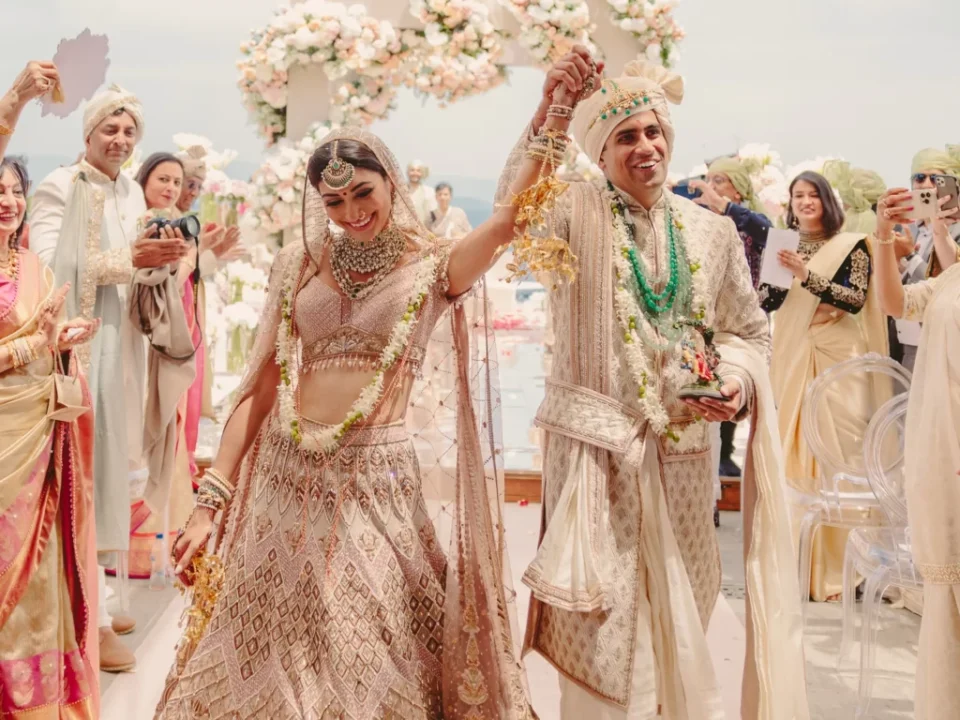
Most grooms in Pune only need to think about their safa twice — once at the fitting, once on the day. Safawala’s turban tying is structured to make that possible, with sourcing and tying handled entirely behind the scenes.
Safawala’s turban tying for Pune is priced to cover the complete process — fabric, fitting, tying, delivery, and pickup — rather than itemised as a bare rental with tying charged as a separate add-on.
Visit Our Pune Studio
Safawala’s stylists working Pune weddings carry spare pins, extra fabric, and adjustment tools to every fitting, since sizing can shift slightly between the fitting date and the actual wedding morning.
On the Wedding Day
For Pune bookings with multiple people needing turbans on the same morning — groom, father, brothers — the stylist works through the group in a set order agreed in advance, so no one is left waiting until the last minute.
What Makes Safawala Different
What sets turban tying apart in Pune is less about the fabric catalogue and more about the fitting-and-tying process around it — most complaints about a rented safa trace back to a skipped fitting, not the fabric itself.
Local Expertise in Pune
Safawala doesn’t treat Pune as a one-off market — repeat bookings and referrals from past Pune weddings are common, and the team keeps informal notes on what’s worked well for families here, from fabric choices to timing preferences.
Why Pune Families Trust Us
What builds confidence for Pune families booking turban tying isn’t a sales pitch — it’s a fitting that’s taken seriously, a fabric conversation that isn’t rushed, and a stylist who’s clearly done this before. That combination tends to matter more than price alone.
Areas We Cover Near Pune
Beyond Pune itself, the same Safawala team regularly handles turban tying for weddings in Navi Mumbai, Thane, and Kalyan, so a destination or multi-venue celebration isn’t a logistics problem.
What to Keep in Mind
It helps to confirm the outfit underneath — sherwani, kurta, or bandhgala — before the fitting, since the tying style and fabric pairing can shift depending on what’s worn with the safa.
Our Simple Booking Process
Safawala’s Pune bookings are confirmed once the fabric and fitting details are settled — after that, the family doesn’t need to follow up unless something specific changes closer to the date.
Safawala’s goal for every Pune booking is simple: a safa that looks like it was made for that specific groom, tied by someone who knows what they’re doing, delivered on time.
Frequently Asked Questions About Turban Tying in Pune
Does the booking include the tying on the wedding day, or just the rental?
The tying is included as part of turban tying — a stylist is scheduled to arrive on the wedding morning with enough time to complete the draping before the ceremony. This isn't sold as a separate add-on; it's part of the standard booking.
Do you offer trial fittings before the actual wedding-week fitting?
A single proper fitting is usually enough, done about one to two weeks before the event. A second check happens on the wedding morning itself as a final adjustment rather than a full separate trial.
How far in advance should I book turban tying in Pune?
Two to three weeks ahead usually gives enough time for a proper fitting and any fabric adjustments. Bookings closer to the date can often still be accommodated, though the fitting window becomes tighter and there's less room to change fabric or style if something doesn't work on the first try.
How long does the actual tying take on the wedding morning?
Typically 20 to 30 minutes per person, depending on the style and how many people need to be tied. The stylist is scheduled with a buffer so this doesn't feel rushed against the ceremony time.
How is payment structured for a Pune booking?
A small advance confirms the booking, with the remaining balance settled on delivery. This keeps the upfront commitment low until the family has actually seen and approved the piece.
How do you handle sizing for someone who can't attend a fitting in person?
Measurements can be taken over a video call using simple guidance, and a final adjustment is made when the stylist arrives for the in-person tying on the wedding day.
How early on the wedding morning does the stylist usually arrive?
This depends on the ceremony time and how many people need to be tied, but the stylist is generally scheduled with enough buffer to finish well before the baraat or main ceremony begins.