
This is planned for at the fitting stage — if a family needs a different style for, say, the haldi versus the main ceremony, that's factored into the booking rather than assumed to be one style throughout.
Nairobi Wedding Turban Tying Services | Traditional Handcrafted Wedding Turbans
Get Pricing & Catalog on WhatsApp
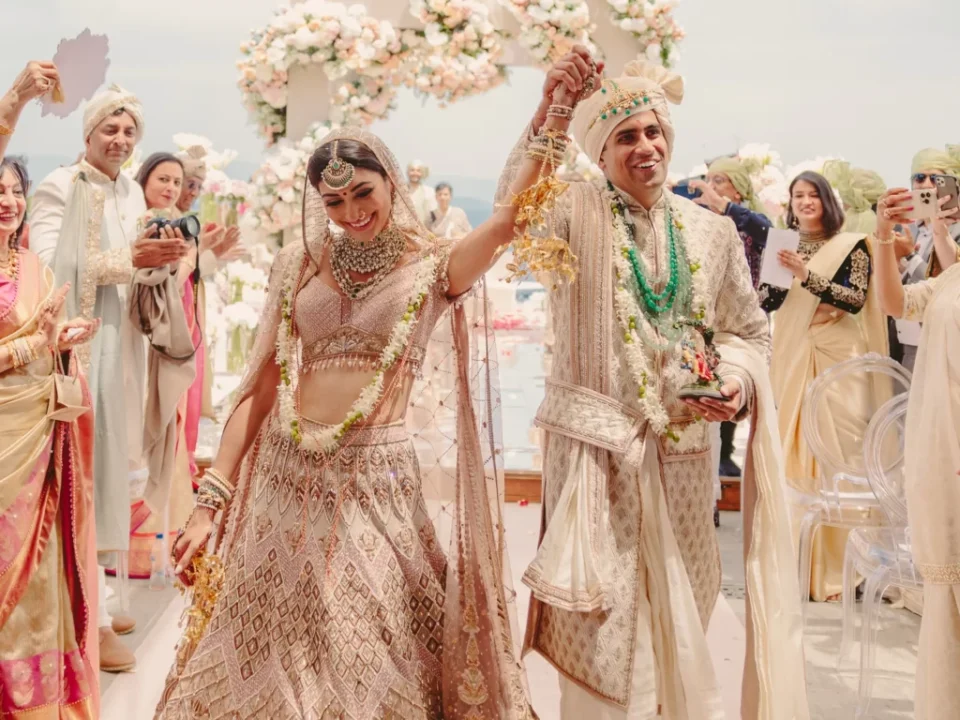
Most grooms in Nairobi only need to think about their safa twice — once at the fitting, once on the day. Safawala’s turban tying is structured to make that possible, with sourcing and tying handled entirely behind the scenes.
For larger Nairobi weddings, turban tying can be scaled to cover the full wedding party in one coordinated order, keeping the look consistent across the groom, father, and close relatives rather than booked separately.
Visit Our Nairobi Studio
Booking turban tying for Nairobi usually starts with a short WhatsApp exchange — date, venue, and the kind of look the family has in mind. Catalogue options follow shortly after, tailored to what’s actually being planned.
On the Wedding Day
For Nairobi bookings with multiple people needing turbans on the same morning — groom, father, brothers — the stylist works through the group in a set order agreed in advance, so no one is left waiting until the last minute.
What Makes Safawala Different
Safawala keeps a record of what worked for past Nairobi bookings — fabric choices, sizing notes — which comes in useful for families booking multiple functions or repeat events in the same year.
Local Expertise in Nairobi
Weddings in Nairobi follow their own rhythm — certain weeks get booked out faster than others, certain venues have specific space constraints for the tying session. Safawala’s team plans around this local pattern rather than treating every Nairobi booking as an isolated, unfamiliar request.
Why Nairobi Families Trust Us
For families who’ve dealt with a same-day rental counter before, the difference with Safawala’s Nairobi service is usually obvious by the fitting stage alone — there’s no rush, no guesswork on sizing, and no surprise about what’s included.
Areas We Cover Near Nairobi
Destination elements to a Nairobi wedding — a function held in nearby towns or the wider region — are folded into the same booking rather than requiring a completely separate order.
What to Keep in Mind
It helps to confirm the outfit underneath — sherwani, kurta, or bandhgala — before the fitting, since the tying style and fabric pairing can shift depending on what’s worn with the safa.
Our Simple Booking Process
Pickup after a Nairobi wedding is arranged as part of the original booking, so there’s nothing extra for the family to organise once the celebrations wind down.
For Nairobi families booking turban tying, Safawala’s focus stays the same across every order: real craftsmanship, a proper fitting, and a stylist who shows up when promised.
Frequently Asked Questions About Turban Tying in Nairobi
Is on-site tying available at the wedding venue itself, or only at a studio?
On-site tying at the wedding venue is the standard arrangement for turban tying — the stylist travels to the venue on the morning of the event rather than requiring the groom to visit a studio.
How is payment structured for a Nairobi booking?
A small advance confirms the booking, with the remaining balance settled on delivery. This keeps the upfront commitment low until the family has actually seen and approved the piece.
How early on the wedding morning does the stylist usually arrive?
This depends on the ceremony time and how many people need to be tied, but the stylist is generally scheduled with enough buffer to finish well before the baraat or main ceremony begins.
Does the booking include the tying on the wedding day, or just the rental?
The tying is included as part of turban tying — a stylist is scheduled to arrive on the wedding morning with enough time to complete the draping before the ceremony. This isn't sold as a separate add-on; it's part of the standard booking.
What if it's a same-week or last-minute booking?
Last-minute bookings can often still be accommodated, though the fitting and fabric options may be more limited. It's worth reaching out as early as possible even for urgent timelines.
How do I know what color or style suits the wedding outfit?
This is usually discussed at the fitting stage, where the stylist can see the outfit or photos of it and recommend a fabric and color that complements it rather than clashes.
Is delivery and pickup included for Nairobi weddings?
Yes — delivery ahead of the event and pickup afterward are both arranged as part of the booking, so there's nothing extra for the family to organise once the wedding is over.