
That's normal — most families finalise the exact style at the fitting stage after seeing a few fabric and drape options in person or over video call, rather than deciding everything upfront.
Premium Wedding Turban Tying Services in Dwarka | Royal Wedding Safas
Get Pricing & Catalog on WhatsApp
Families booking turban tying in Dwarka usually want the same three things: a fabric that suits the event, a fitting that actually fits, and a stylist who turns up on time. Safawala structures the whole service around exactly that.
The Dwarka catalogue for turban tying includes options across silk, brocade, and cotton-silk blends, chosen based on the season, the venue, and what’s being worn underneath — a decision usually finalised together with the stylist at the fitting.
Visit Our Dwarka Studio
Families who’d rather see the fabric before committing are welcome to visit Safawala’s studio and discuss options for their Dwarka booking directly. Most families, though, complete the whole process over WhatsApp and meet the stylist only at the fitting.
On the Wedding Day
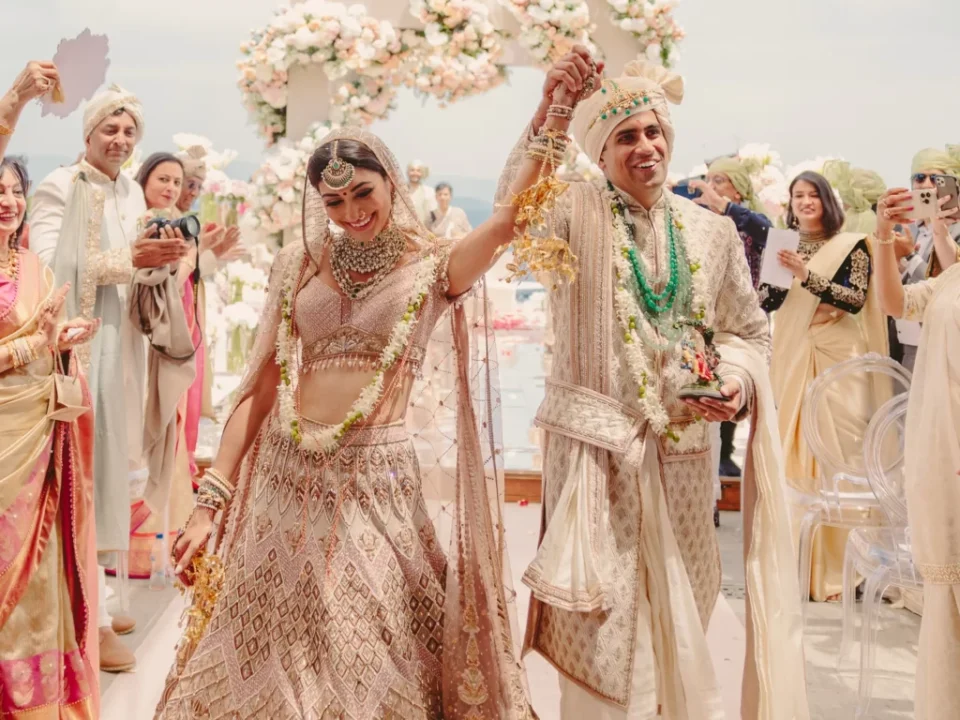
Once the safa is tied on the wedding morning in Dwarka, it’s built to hold through the full event — the ceremony, the photographs, and the reception — without needing to be re-tied partway through.
What Makes Safawala Different
What tends to matter most to Dwarka families is the combination of flexibility and reliability — group bookings are handled as one coordinated order, so the whole wedding party looks consistent instead of mismatched in photographs.
Local Expertise in Dwarka
Safawala’s stylists working Dwarka have tied safas across the kind of venues common here — banquet halls, farmhouses, and hotel lawns alike — so the fabric and drape recommendations account for the setting, not just the outfit. That local familiarity tends to matter more than families expect until they compare it against a generic, one-size rental.
Why Dwarka Families Trust Us
Consistency is what most Dwarka families end up valuing most in hindsight: the same standard of fitting, fabric, and tying applied whether it’s a modest family function or a large multi-day wedding.
Areas We Cover Near Dwarka
Beyond Dwarka itself, the same Safawala team regularly handles turban tying for weddings in Rajkot, Jamnagar, and Gondal, so a destination or multi-venue celebration isn’t a logistics problem.
What to Keep in Mind
For families new to renting rather than buying a safa, it’s worth asking about the exact pickup timing after the Dwarka event — this is usually arranged in advance so nothing is left for the family to organise once the wedding is over.
Our Simple Booking Process
Booking turban tying in Dwarka typically takes three steps: an initial WhatsApp conversation, a fitting appointment, and a confirmed delivery-and-tying slot for the wedding morning.
For every Dwarka family, the process ends the same way it started — a stylist who shows up, a safa that fits, and one less thing to manage during an already busy wedding week.
Frequently Asked Questions About Turban Tying in Dwarka
What if it's a same-week or last-minute booking?
Last-minute bookings can often still be accommodated, though the fitting and fabric options may be more limited. It's worth reaching out as early as possible even for urgent timelines.
What happens to the safa after the wedding — do I need to return it in a specific condition?
Pickup is arranged after the event, and the piece is simply returned as worn — Safawala handles cleaning afterward. There's no special preparation needed from the family.
What if two events on the same day need different turban styles?
This is planned for at the fitting stage — if a family needs a different style for, say, the haldi versus the main ceremony, that's factored into the booking rather than assumed to be one style throughout.
What's included in the price — just the safa, or the full service?
The price covers the full service: fabric, fitting, on-site tying, delivery, and pickup. It isn't priced as a bare rental with tying charged separately.
What's the difference between a safa and a turban in terms of tying style?
The core difference is regional and stylistic — a safa is generally more structured with pleats, while turban styles vary more by state and occasion. Safawala's stylists can recommend a style suited to the family's specific background and the wedding's setting.
Is there a minimum number of turbans required for a group booking?
No strict minimum — bookings range from a single groom's safa to a full wedding party. Group orders are simply coordinated as one booking rather than several separate ones.
Can the fabric or color be changed after the initial booking?
Yes, as long as it's raised before the final fitting. Fabric and color changes are easiest to accommodate when flagged at least a week or two before the event, rather than a few days out.