
A small advance confirms the booking, with the remaining balance settled on delivery. This keeps the upfront commitment low until the family has actually seen and approved the piece.
Bhuj Wedding Turban Tying Services | Traditional Handcrafted Wedding Turbans
Get Pricing & Catalog on WhatsApp
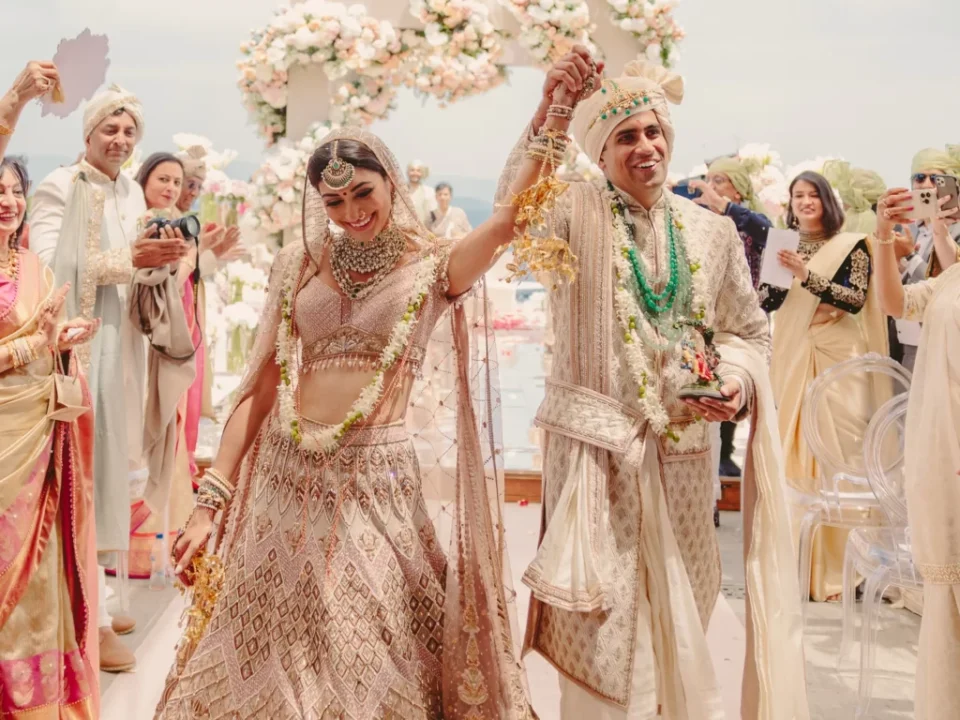
turban tying in Bhuj through Safawala isn’t sold as a product on a shelf. It’s a service: a fitting appointment, a fabric conversation, and a stylist who ties the piece on the morning of the wedding.
Safawala’s turban tying for Bhuj is priced to cover the complete process — fabric, fitting, tying, delivery, and pickup — rather than itemised as a bare rental with tying charged as a separate add-on.
Visit Our Bhuj Studio
Out-of-town relatives coming in for a Bhuj wedding aren’t left out of the process — an initial fitting consultation can be done over video call, with the final adjustment made in person closer to the date.
On the Wedding Day
Most grooms only interact with the turban tying process twice — once at the fitting, once on the wedding morning. Everything in between, from fabric sourcing to quality checks, happens without the family needing to follow up.
What Makes Safawala Different
Safawala’s approach to turban tying in Bhuj treats the groom’s comfort as seriously as the look — a safa that’s tied too tight or poorly balanced becomes obvious in photographs by the end of a long day.
Local Expertise in Bhuj
Local knowledge shows up in small ways — knowing which Bhuj venues have a quiet corner for a proper tying session, or how much time to budget for travel between a hotel and a wedding hall on a busy Saturday. Safawala’s stylists factor this in when scheduling Bhuj bookings.
Why Bhuj Families Trust Us
Trust, for most Bhuj families, comes down to a stylist who actually shows up on time and a safa that looks like it was made for the groom wearing it — not a discount or a flashy catalogue. Safawala’s Bhuj bookings are built around meeting exactly that bar, order after order.
Areas We Cover Near Bhuj
Beyond Bhuj itself, the same Safawala team regularly handles turban tying for weddings in Rajkot, Jamnagar, and Gondal, so a destination or multi-venue celebration isn’t a logistics problem.
What to Keep in Mind
Confirming the exact ceremony time in Bhuj, rather than an approximate slot, helps the stylist plan arrival with enough buffer for a calm, unhurried tying session.
Our Simple Booking Process
For Bhuj families booking turban tying, the fastest path is usually a direct WhatsApp message with the wedding date and venue — catalogue options and fitting scheduling follow from there within a day or two.
For Bhuj families booking turban tying, Safawala’s focus stays the same across every order: real craftsmanship, a proper fitting, and a stylist who shows up when promised.
Frequently Asked Questions About Turban Tying in Bhuj
How far in advance should I book turban tying in Bhuj?
Two to three weeks ahead usually gives enough time for a proper fitting and any fabric adjustments. Bookings closer to the date can often still be accommodated, though the fitting window becomes tighter and there's less room to change fabric or style if something doesn't work on the first try.
Do you offer trial fittings before the actual wedding-week fitting?
A single proper fitting is usually enough, done about one to two weeks before the event. A second check happens on the wedding morning itself as a final adjustment rather than a full separate trial.
What happens to the safa after the wedding — do I need to return it in a specific condition?
Pickup is arranged after the event, and the piece is simply returned as worn — Safawala handles cleaning afterward. There's no special preparation needed from the family.
Can the fitting be done without visiting a studio in Bhuj?
Yes. Many families complete the fitting over a WhatsApp video call, especially when they're travelling in from another city for the wedding. A final in-person adjustment can still be arranged closer to the date if needed.
Does the booking include the tying on the wedding day, or just the rental?
The tying is included as part of turban tying — a stylist is scheduled to arrive on the wedding morning with enough time to complete the draping before the ceremony. This isn't sold as a separate add-on; it's part of the standard booking.
Is turban tying available for kids or teenagers in the wedding party?
Yes, sizing and styling can be adjusted for younger members of the wedding party — this is worth mentioning at the time of booking so the right sizes are prepared in advance.
Can the fabric or color be changed after the initial booking?
Yes, as long as it's raised before the final fitting. Fabric and color changes are easiest to accommodate when flagged at least a week or two before the event, rather than a few days out.