
This is usually discussed at the fitting stage, where the stylist can see the outfit or photos of it and recommend a fabric and color that complements it rather than clashes.
Premium Professional Wedding Turban Stylist in Udaipur | Royal Wedding Safas
Get Pricing & Catalog on WhatsApp
There’s a reason turban styling bookings in Udaipur tend to start with a WhatsApp message rather than a showroom visit — Safawala handles the fitting, fabric, and tying as one continuous process, not three separate errands for the family to manage.
Every order for turban styling in Udaipur includes doorstep delivery, the on-site tying session itself, and pickup once the celebrations wind down, so the family isn’t left managing extra logistics during an already busy wedding week.
Visit Our Udaipur Studio
Group orders for a Udaipur wedding — groom, father, brothers, close relatives — are handled as one coordinated booking rather than several separate rentals, which keeps pricing and delivery simpler for the family managing it.
On the Wedding Day
Most grooms only interact with the turban styling process twice — once at the fitting, once on the wedding morning. Everything in between, from fabric sourcing to quality checks, happens without the family needing to follow up.
What Makes Safawala Different
For Udaipur weddings with a tight schedule, Safawala’s team plans backward from the ceremony time, working out exactly when the stylist needs to arrive rather than treating tying as an afterthought.
Local Expertise in Udaipur
Safawala doesn’t treat Udaipur as a one-off market — repeat bookings and referrals from past Udaipur weddings are common, and the team keeps informal notes on what’s worked well for families here, from fabric choices to timing preferences.
Why Udaipur Families Trust Us
Consistency is what most Udaipur families end up valuing most in hindsight: the same standard of fitting, fabric, and tying applied whether it’s a modest family function or a large multi-day wedding.
Areas We Cover Near Udaipur
Destination elements to a Udaipur wedding — a function held in Ajmer or Pushkar — are folded into the same booking rather than requiring a completely separate order.
What to Keep in Mind
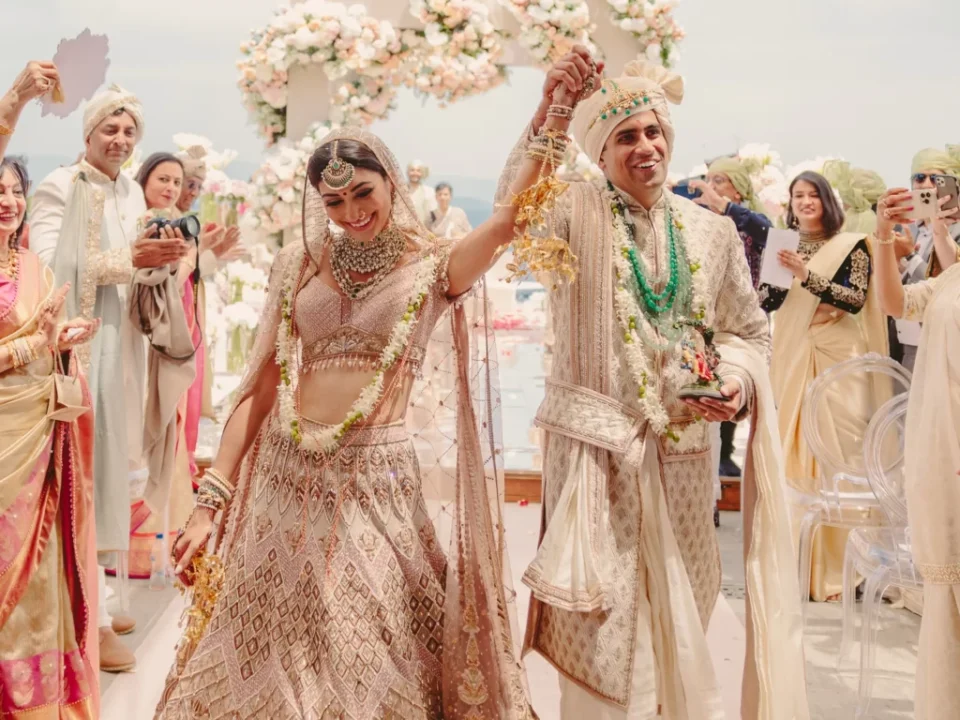
It helps to confirm the outfit underneath — sherwani, kurta, or bandhgala — before the fitting, since the tying style and fabric pairing can shift depending on what’s worn with the safa.
Our Simple Booking Process
Safawala’s Udaipur bookings are confirmed once the fabric and fitting details are settled — after that, the family doesn’t need to follow up unless something specific changes closer to the date.
Whether it’s one groom or a full wedding party, Safawala’s turban styling in Udaipur is handled the same way: proper fitting, considered fabric choice, and a stylist present on the day.
Frequently Asked Questions About Turban Styling in Udaipur
What happens to the safa after the wedding — do I need to return it in a specific condition?
Pickup is arranged after the event, and the piece is simply returned as worn — Safawala handles cleaning afterward. There's no special preparation needed from the family.
What if I'm not sure exactly what style I want yet?
That's normal — most families finalise the exact style at the fitting stage after seeing a few fabric and drape options in person or over video call, rather than deciding everything upfront.
How far in advance should I book turban styling in Udaipur?
Two to three weeks ahead usually gives enough time for a proper fitting and any fabric adjustments. Bookings closer to the date can often still be accommodated, though the fitting window becomes tighter and there's less room to change fabric or style if something doesn't work on the first try.
What if the wedding has multiple functions on different dates?
Fittings and tying sessions are scheduled separately for each function rather than assuming one tie holds across multiple events, since outfits and settings often differ between the sangeet, haldi, and main ceremony.
Is it possible to book turbans for the whole wedding party, not just the groom?
Yes — group bookings covering the groom, father, brothers, and other close relatives are handled as one coordinated order, which also helps keep the look consistent across the wedding party in photographs.
Does the booking include the tying on the wedding day, or just the rental?
The tying is included as part of turban styling — a stylist is scheduled to arrive on the wedding morning with enough time to complete the draping before the ceremony. This isn't sold as a separate add-on; it's part of the standard booking.
How early on the wedding morning does the stylist usually arrive?
This depends on the ceremony time and how many people need to be tied, but the stylist is generally scheduled with enough buffer to finish well before the baraat or main ceremony begins.