
The stylist checks the fit again on the wedding morning, even after an earlier fitting, since minor adjustments are common. Small sizing corrections are handled on the spot as part of the service.
Premium Professional Wedding Turban Stylist in Porbandar | Royal Wedding Safas
Get Pricing & Catalog on WhatsApp
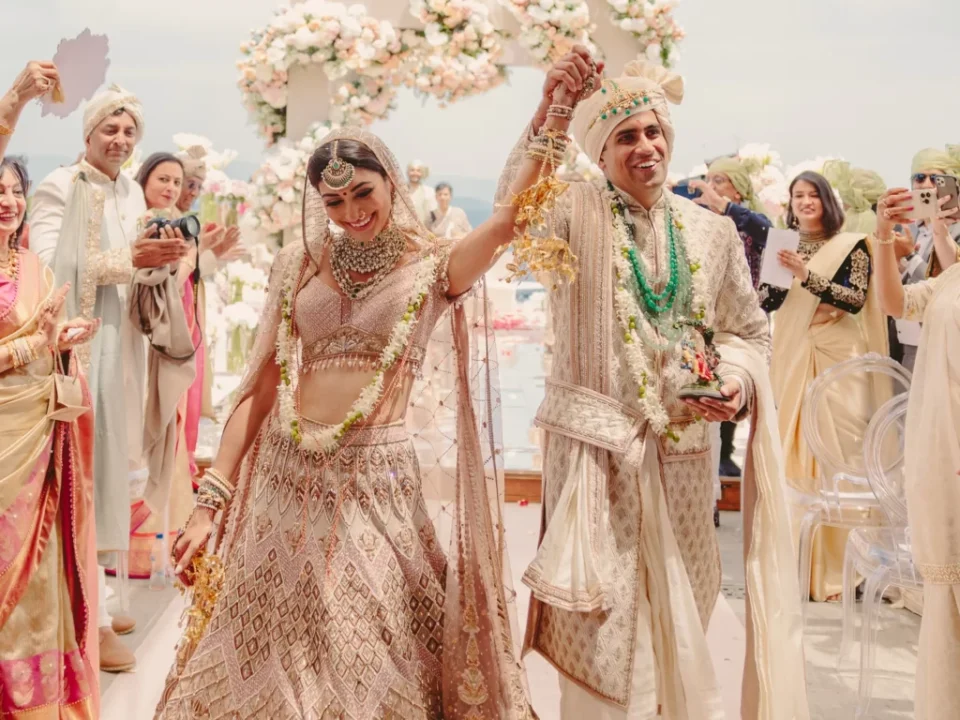
In Porbandar — a region where the safa carries the weight of Saurashtra’s own royal and maritime history, worn at everything from a Kathiawadi wedding to a temple-town ceremony — Safawala treats turban styling as a complete service rather than a same-day rental. One team handles sourcing, fabric selection, and the actual draping, so nothing gets lost between a shop handing over a product and a stylist making it sit right on the day.
For larger Porbandar weddings, turban styling can be scaled to cover the full wedding party in one coordinated order, keeping the look consistent across the groom, father, and close relatives rather than booked separately.
Visit Our Porbandar Studio
Out-of-town relatives coming in for a Porbandar wedding aren’t left out of the process — an initial fitting consultation can be done over video call, with the final adjustment made in person closer to the date.
On the Wedding Day
For Porbandar weddings held across multiple venues in the same week, Safawala schedules a separate tying session for each function rather than assuming one tie holds for every event.
What Makes Safawala Different
The stylists assigned to Porbandar weddings are the same people doing the fitting earlier in the process, so there’s no handoff between whoever measured the groom and whoever ties the safa on the day.
Local Expertise in Porbandar
Safawala’s stylists working Porbandar have tied safas across the kind of venues common here — banquet halls, farmhouses, and hotel lawns alike — so the fabric and drape recommendations account for the setting, not just the outfit. That local familiarity tends to matter more than families expect until they compare it against a generic, one-size rental.
Why Porbandar Families Trust Us
Consistency is what most Porbandar families end up valuing most in hindsight: the same standard of fitting, fabric, and tying applied whether it’s a modest family function or a large multi-day wedding.
Areas We Cover Near Porbandar
Families planning a Porbandar wedding with guests travelling from Rajkot or Jamnagar often ask about delivering a second or third safa to a different venue — Safawala coordinates this as part of the same booking.
What to Keep in Mind
Timing the fitting a week or two before the event, rather than the day before, gives enough room to swap fabric or fix sizing without last-minute stress on the wedding morning in Porbandar.
Our Simple Booking Process
The Porbandar booking process is designed to need minimal back-and-forth — one conversation to confirm details, one fitting, and one delivery, with the stylist handling everything else.
For families planning turban styling in Porbandar, the reassurance Safawala offers isn’t a discount or a rushed turnaround — it’s a fitting that actually fits and a stylist who turns up.
Frequently Asked Questions About Turban Styling in Porbandar
Do you provide services for both the groom and the bride's side of the family?
Yes — turban tying is offered for the groom's side and the bride's side alike, including fathers, brothers, and other close relatives attending the Porbandar wedding.
Is delivery and pickup included for Porbandar weddings?
Yes — delivery ahead of the event and pickup afterward are both arranged as part of the booking, so there's nothing extra for the family to organise once the wedding is over.
How far in advance should I book turban styling in Porbandar?
Two to three weeks ahead usually gives enough time for a proper fitting and any fabric adjustments. Bookings closer to the date can often still be accommodated, though the fitting window becomes tighter and there's less room to change fabric or style if something doesn't work on the first try.
What if the wedding has multiple functions on different dates?
Fittings and tying sessions are scheduled separately for each function rather than assuming one tie holds across multiple events, since outfits and settings often differ between the sangeet, haldi, and main ceremony.
What fabrics are typically used for turban styling in Porbandar?
Silk, brocade, and cotton-silk blends are the most common choices, selected based on the season, the outfit underneath, and whether the event is indoors or outdoors.
How early on the wedding morning does the stylist usually arrive?
This depends on the ceremony time and how many people need to be tied, but the stylist is generally scheduled with enough buffer to finish well before the baraat or main ceremony begins.
What if two events on the same day need different turban styles?
This is planned for at the fitting stage — if a family needs a different style for, say, the haldi versus the main ceremony, that's factored into the booking rather than assumed to be one style throughout.