
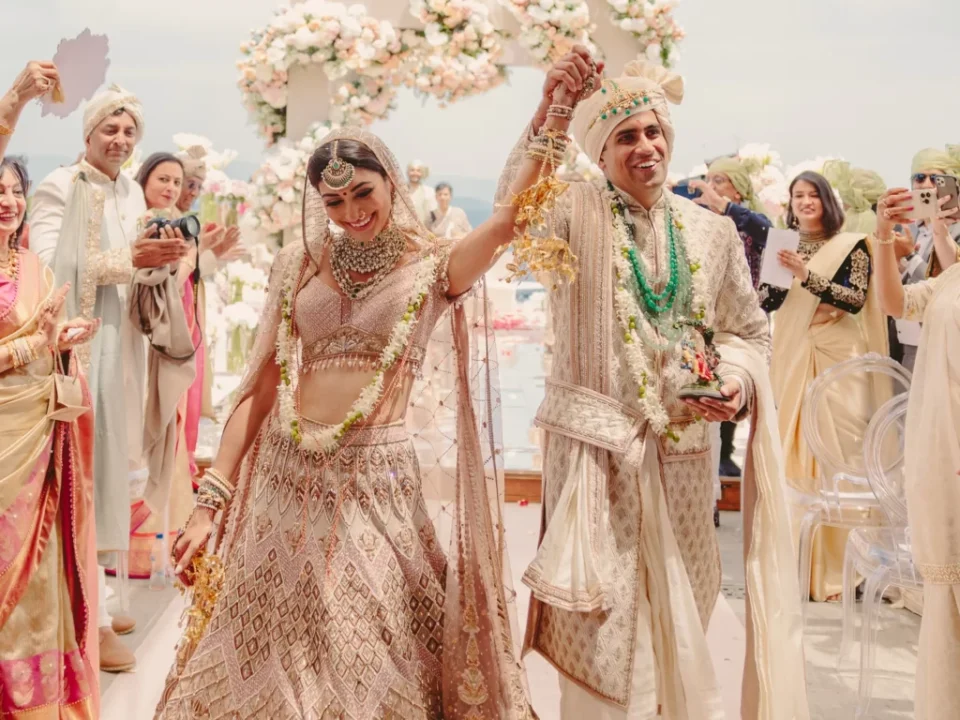
The tying is included as part of turban styling — a stylist is scheduled to arrive on the wedding morning with enough time to complete the draping before the ceremony. This isn't sold as a separate add-on; it's part of the standard booking.
Matheran Professional Wedding Turban Stylist | Professional Turban Styling & Safas
Get Pricing & Catalog on WhatsApp
Matheran weddings still put real weight on how a groom’s safa is tied, which is exactly why Safawala runs turban styling as a full end-to-end job — fitting, fabric, and the final drape — instead of a same-day pickup.
turban styling through Safawala in Matheran covers the full range from classic, traditional drapes to more contemporary, minimal styles — priced for both single-day rentals and multi-function packages that stretch across the sangeet, haldi, and main ceremony.
Visit Our Matheran Studio
A lot of Matheran bookings come from referrals — one family’s wedding photos leading to the next family’s inquiry. Safawala’s process stays the same regardless: fitting, fabric, tying, all handled by one team.
On the Wedding Day
Most grooms only interact with the turban styling process twice — once at the fitting, once on the wedding morning. Everything in between, from fabric sourcing to quality checks, happens without the family needing to follow up.
What Makes Safawala Different
Every piece sent out for a Matheran wedding is cleaned and inspected before delivery, and a fitting appointment ahead of the event catches sizing issues early, well before the morning when there’s no time left to fix them.
Local Expertise in Matheran
Safawala doesn’t treat Matheran as a one-off market — repeat bookings and referrals from past Matheran weddings are common, and the team keeps informal notes on what’s worked well for families here, from fabric choices to timing preferences.
Why Matheran Families Trust Us
Safawala’s team treats every Matheran booking — whether it’s a single groom’s safa or a full wedding party — with the same level of attention to fitting and tying, rather than reserving the careful process for larger orders only.
Areas We Cover Near Matheran
Families planning a Matheran wedding with guests travelling from Pune or Mumbai often ask about delivering a second or third safa to a different venue — Safawala coordinates this as part of the same booking.
What to Keep in Mind
An early fitting also gives the stylist a clearer picture of exactly how the piece needs to sit, which tends to make the actual tying faster and more precise on the day itself.
Our Simple Booking Process
Safawala’s Matheran bookings are confirmed once the fabric and fitting details are settled — after that, the family doesn’t need to follow up unless something specific changes closer to the date.
Matheran weddings deserve a safa that holds up through a full day of photographs — that’s the standard Safawala’s turban styling is built around, order after order.
Frequently Asked Questions About Turban Styling in Matheran
What if I'm not sure exactly what style I want yet?
That's normal — most families finalise the exact style at the fitting stage after seeing a few fabric and drape options in person or over video call, rather than deciding everything upfront.
Can I request a specific stylist if I've worked with Safawala before?
This can usually be arranged, subject to availability on the wedding date — it's worth mentioning at the time of booking if there's a stylist the family has worked with previously.
How do I get an approximate price for turban styling in Matheran?
The quickest way is a WhatsApp message with the wedding date, venue, and roughly how many people need turbans — Safawala shares relevant catalogue options and pricing based on that.
How far in advance should I book turban styling in Matheran?
Two to three weeks ahead usually gives enough time for a proper fitting and any fabric adjustments. Bookings closer to the date can often still be accommodated, though the fitting window becomes tighter and there's less room to change fabric or style if something doesn't work on the first try.
Can the fitting be done without visiting a studio in Matheran?
Yes. Many families complete the fitting over a WhatsApp video call, especially when they're travelling in from another city for the wedding. A final in-person adjustment can still be arranged closer to the date if needed.
What if two events on the same day need different turban styles?
This is planned for at the fitting stage — if a family needs a different style for, say, the haldi versus the main ceremony, that's factored into the booking rather than assumed to be one style throughout.
What if the wedding has multiple functions on different dates?
Fittings and tying sessions are scheduled separately for each function rather than assuming one tie holds across multiple events, since outfits and settings often differ between the sangeet, haldi, and main ceremony.