
Fittings and tying sessions are scheduled separately for each function rather than assuming one tie holds across multiple events, since outfits and settings often differ between the sangeet, haldi, and main ceremony.
Bhuj Professional Wedding Turban Stylist | Traditional Handcrafted Wedding Turbans
Get Pricing & Catalog on WhatsApp
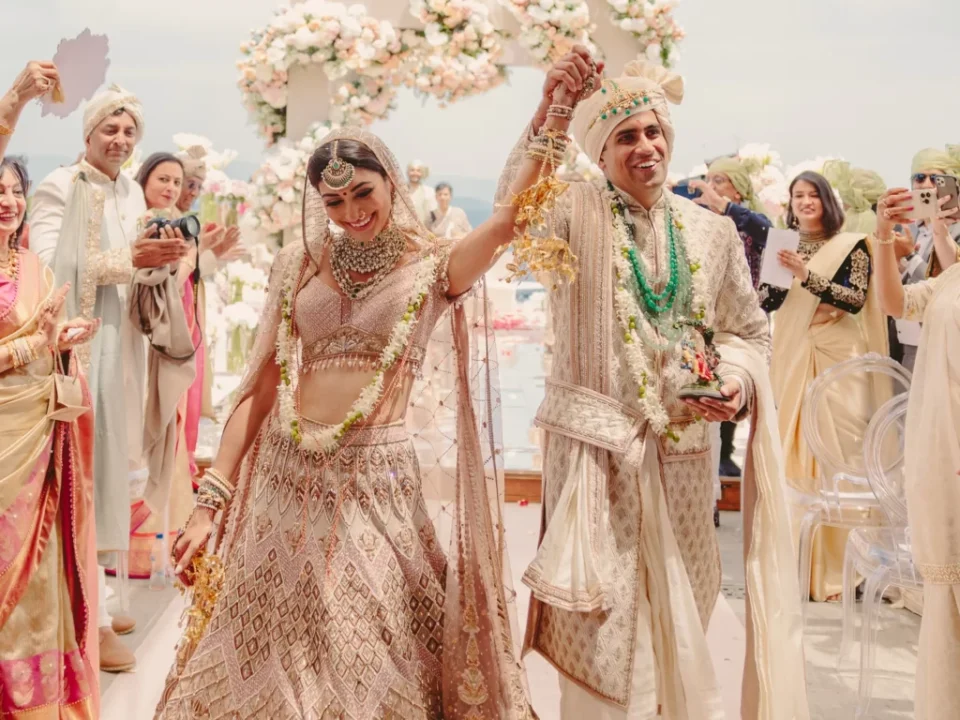
For turban styling in Bhuj, Safawala starts from a simple premise — the piece should look like it was made for this specific groom, not handed over an hour before the ceremony. Fitting, fabric selection, and tying all sit with the same team.
For larger Bhuj weddings, turban styling can be scaled to cover the full wedding party in one coordinated order, keeping the look consistent across the groom, father, and close relatives rather than booked separately.
Visit Our Bhuj Studio
A lot of Bhuj bookings come from referrals — one family’s wedding photos leading to the next family’s inquiry. Safawala’s process stays the same regardless: fitting, fabric, tying, all handled by one team.
On the Wedding Day
Safawala’s on-site tying for Bhuj isn’t limited to the groom — Safawala also handles the father of the groom, brothers, and other close family members who need a matching or coordinated look.
What Makes Safawala Different
Safawala’s approach to turban styling in Bhuj treats the groom’s comfort as seriously as the look — a safa that’s tied too tight or poorly balanced becomes obvious in photographs by the end of a long day.
Local Expertise in Bhuj
Safawala doesn’t treat Bhuj as a one-off market — repeat bookings and referrals from past Bhuj weddings are common, and the team keeps informal notes on what’s worked well for families here, from fabric choices to timing preferences.
Why Bhuj Families Trust Us
Trust, for most Bhuj families, comes down to a stylist who actually shows up on time and a safa that looks like it was made for the groom wearing it — not a discount or a flashy catalogue. Safawala’s Bhuj bookings are built around meeting exactly that bar, order after order.
Areas We Cover Near Bhuj
Destination elements to a Bhuj wedding — a function held in Rajkot or Jamnagar — are folded into the same booking rather than requiring a completely separate order.
What to Keep in Mind
Confirming the exact ceremony time in Bhuj, rather than an approximate slot, helps the stylist plan arrival with enough buffer for a calm, unhurried tying session.
Our Simple Booking Process
For Bhuj families booking turban styling, the fastest path is usually a direct WhatsApp message with the wedding date and venue — catalogue options and fitting scheduling follow from there within a day or two.
For every Bhuj family, the process ends the same way it started — a stylist who shows up, a safa that fits, and one less thing to manage during an already busy wedding week.
Frequently Asked Questions About Turban Styling in Bhuj
What if two events on the same day need different turban styles?
This is planned for at the fitting stage — if a family needs a different style for, say, the haldi versus the main ceremony, that's factored into the booking rather than assumed to be one style throughout.
Do you provide services for both the groom and the bride's side of the family?
Yes — turban tying is offered for the groom's side and the bride's side alike, including fathers, brothers, and other close relatives attending the Bhuj wedding.
Can the fabric or color be changed after the initial booking?
Yes, as long as it's raised before the final fitting. Fabric and color changes are easiest to accommodate when flagged at least a week or two before the event, rather than a few days out.
Is delivery and pickup included for Bhuj weddings?
Yes — delivery ahead of the event and pickup afterward are both arranged as part of the booking, so there's nothing extra for the family to organise once the wedding is over.
What if it's a same-week or last-minute booking?
Last-minute bookings can often still be accommodated, though the fitting and fabric options may be more limited. It's worth reaching out as early as possible even for urgent timelines.
Are there different safa styles for different communities or regions?
Yes — styles vary by community and region, and Safawala's stylists working in Bhuj are familiar with the local preferences, whether that's a Rajputi drape, a Gujarati style, or a Marathi pagdi.
Can I see the fabric in person before confirming the booking?
Yes, a studio visit can be arranged for families who'd prefer to see and feel the fabric directly, though most Bhuj bookings are completed over WhatsApp with photos and video calls instead.