
The price covers the full service: fabric, fitting, on-site tying, delivery, and pickup. It isn't priced as a bare rental with tying charged separately.
Premium Wedding Safa Tying Services in Marathahalli | Royal Wedding Safas
Get Pricing & Catalog on WhatsApp
There’s a reason safa tying bookings in Marathahalli tend to start with a WhatsApp message rather than a showroom visit — Safawala handles the fitting, fabric, and tying as one continuous process, not three separate errands for the family to manage.
safa tying bookings in Marathahalli aren’t limited to a single fixed style — families can choose from a range of drapes and colors, with the final decision usually made at the fitting once the outfit and venue are confirmed.
Visit Our Marathahalli Studio
Most Marathahalli families book two to three weeks ahead of the wedding date, which gives enough time for a proper fitting and any fabric changes without the stress of a last-minute order.
On the Wedding Day
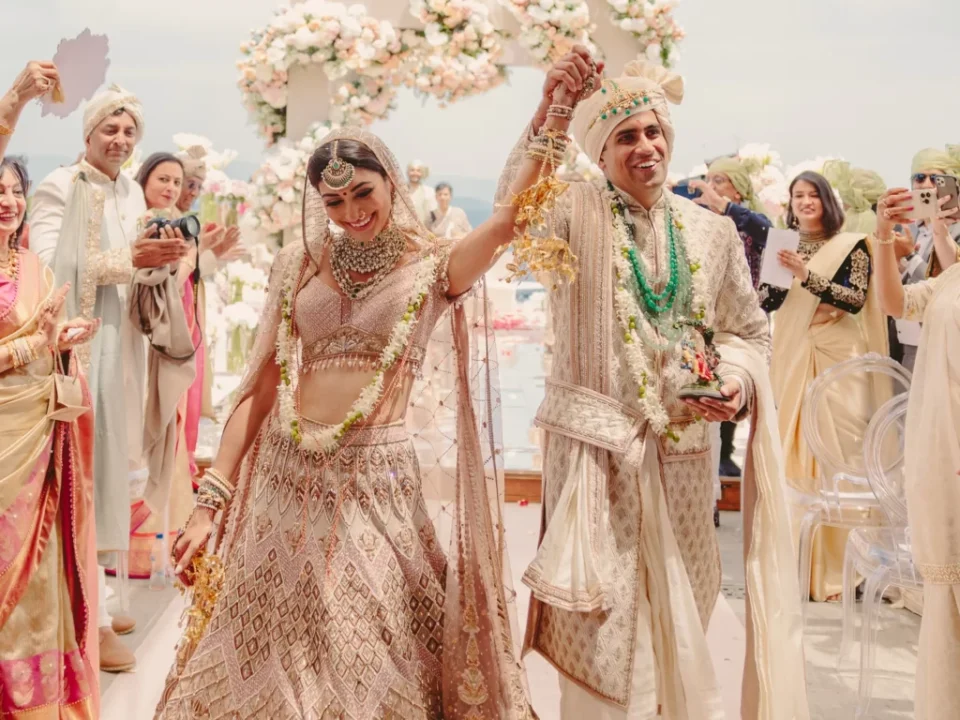
The final few minutes before a Marathahalli groom steps out are usually the calmest part of the whole process, since fabric, fitting, and styling decisions have already been settled days in advance.
What Makes Safawala Different
What sets safa tying apart in Marathahalli is less about the fabric catalogue and more about the fitting-and-tying process around it — most complaints about a rented safa trace back to a skipped fitting, not the fabric itself.
Local Expertise in Marathahalli
Local knowledge shows up in small ways — knowing which Marathahalli venues have a quiet corner for a proper tying session, or how much time to budget for travel between a hotel and a wedding hall on a busy Saturday. Safawala’s stylists factor this in when scheduling Marathahalli bookings.
Why Marathahalli Families Trust Us
Safawala’s team treats every Marathahalli booking — whether it’s a single groom’s safa or a full wedding party — with the same level of attention to fitting and tying, rather than reserving the careful process for larger orders only.
Areas We Cover Near Marathahalli
Families planning a Marathahalli wedding with guests travelling from Mysore or Coorg often ask about delivering a second or third safa to a different venue — Safawala coordinates this as part of the same booking.
What to Keep in Mind
It helps to confirm the outfit underneath — sherwani, kurta, or bandhgala — before the fitting, since the tying style and fabric pairing can shift depending on what’s worn with the safa.
Our Simple Booking Process
Safawala’s safa tying bookings for Marathahalli weddings are typically locked in two to four weeks ahead of the date, though closer bookings can usually still be accommodated with some flexibility on fitting timing.
For every Marathahalli family, the process ends the same way it started — a stylist who shows up, a safa that fits, and one less thing to manage during an already busy wedding week.
Frequently Asked Questions About Safa Tying in Marathahalli
What if two events on the same day need different turban styles?
This is planned for at the fitting stage — if a family needs a different style for, say, the haldi versus the main ceremony, that's factored into the booking rather than assumed to be one style throughout.
What's the difference between a safa and a turban in terms of tying style?
The core difference is regional and stylistic — a safa is generally more structured with pleats, while turban styles vary more by state and occasion. Safawala's stylists can recommend a style suited to the family's specific background and the wedding's setting.
Do you cover destination weddings outside Marathahalli?
Yes, destination and multi-venue weddings are handled as part of the same booking — delivery timing and stylist availability are worked out in advance so travel isn't left as an afterthought.
Can the fitting be done without visiting a studio in Marathahalli?
Yes. Many families complete the fitting over a WhatsApp video call, especially when they're travelling in from another city for the wedding. A final in-person adjustment can still be arranged closer to the date if needed.
How long does the actual tying take on the wedding morning?
Typically 20 to 30 minutes per person, depending on the style and how many people need to be tied. The stylist is scheduled with a buffer so this doesn't feel rushed against the ceremony time.
How far in advance should I book safa tying in Marathahalli?
Two to three weeks ahead usually gives enough time for a proper fitting and any fabric adjustments. Bookings closer to the date can often still be accommodated, though the fitting window becomes tighter and there's less room to change fabric or style if something doesn't work on the first try.
What if the wedding has multiple functions on different dates?
Fittings and tying sessions are scheduled separately for each function rather than assuming one tie holds across multiple events, since outfits and settings often differ between the sangeet, haldi, and main ceremony.