
This can usually be arranged, subject to availability on the wedding date — it's worth mentioning at the time of booking if there's a stylist the family has worked with previously.
Premium Wedding Safa Tying Services in Alwar | Royal Wedding Safas
Get Pricing & Catalog on WhatsApp
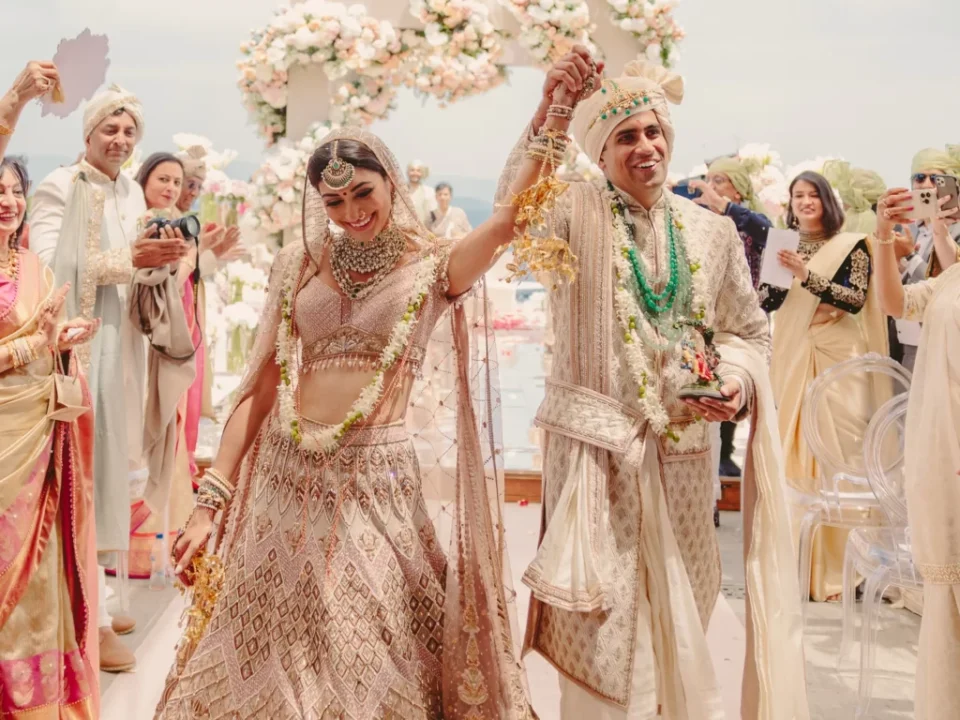
Alwar weddings still put real weight on how a groom’s safa is tied, which is exactly why Safawala runs safa tying as a full end-to-end job — fitting, fabric, and the final drape — instead of a same-day pickup.
The Alwar catalogue for safa tying includes options across silk, brocade, and cotton-silk blends, chosen based on the season, the venue, and what’s being worn underneath — a decision usually finalised together with the stylist at the fitting.
Visit Our Alwar Studio
For families managing a Alwar wedding from another city entirely, Safawala coordinates fitting and delivery timing around the family’s actual travel schedule rather than a fixed in-house appointment slot.
On the Wedding Day
Most grooms only interact with the safa tying process twice — once at the fitting, once on the wedding morning. Everything in between, from fabric sourcing to quality checks, happens without the family needing to follow up.
What Makes Safawala Different
Safawala’s approach to safa tying in Alwar treats the groom’s comfort as seriously as the look — a safa that’s tied too tight or poorly balanced becomes obvious in photographs by the end of a long day.
Local Expertise in Alwar
Safawala doesn’t treat Alwar as a one-off market — repeat bookings and referrals from past Alwar weddings are common, and the team keeps informal notes on what’s worked well for families here, from fabric choices to timing preferences.
Why Alwar Families Trust Us
Referrals make up a meaningful share of Alwar bookings, which says more about consistency than any single review could — families tend to recommend Safawala to relatives planning their own Alwar wedding only after seeing the process hold up for their own event.
Areas We Cover Near Alwar
For families splitting their wedding functions between Alwar and Ajmer, Safawala works out delivery timing and stylist availability for both locations in advance, rather than treating the second venue as an afterthought.
What to Keep in Mind
An early fitting also gives the stylist a clearer picture of exactly how the piece needs to sit, which tends to make the actual tying faster and more precise on the day itself.
Our Simple Booking Process
Once a Alwar booking is confirmed, Safawala handles fabric sourcing and quality checks without needing further input from the family, unless a specific change is requested.
For Alwar families booking safa tying, Safawala’s focus stays the same across every order: real craftsmanship, a proper fitting, and a stylist who shows up when promised.
Frequently Asked Questions About Safa Tying in Alwar
How do I get an approximate price for safa tying in Alwar?
The quickest way is a WhatsApp message with the wedding date, venue, and roughly how many people need turbans — Safawala shares relevant catalogue options and pricing based on that.
Can out-of-town relatives get a turban tied if they're only arriving the morning of the wedding?
This is possible but needs to be flagged in advance so the stylist's schedule accounts for it — arriving without notice on a packed wedding morning makes it harder to guarantee a slot.
What's the difference between a safa and a turban in terms of tying style?
The core difference is regional and stylistic — a safa is generally more structured with pleats, while turban styles vary more by state and occasion. Safawala's stylists can recommend a style suited to the family's specific background and the wedding's setting.
What fabrics are typically used for safa tying in Alwar?
Silk, brocade, and cotton-silk blends are the most common choices, selected based on the season, the outfit underneath, and whether the event is indoors or outdoors.
What if the wedding has multiple functions on different dates?
Fittings and tying sessions are scheduled separately for each function rather than assuming one tie holds across multiple events, since outfits and settings often differ between the sangeet, haldi, and main ceremony.
What happens if the safa doesn't fit properly on the day?
The stylist checks the fit again on the wedding morning, even after an earlier fitting, since minor adjustments are common. Small sizing corrections are handled on the spot as part of the service.
Is turban tying available for kids or teenagers in the wedding party?
Yes, sizing and styling can be adjusted for younger members of the wedding party — this is worth mentioning at the time of booking so the right sizes are prepared in advance.