
Yes — delivery ahead of the event and pickup afterward are both arranged as part of the booking, so there's nothing extra for the family to organise once the wedding is over.
Nairobi Wedding Safa on Rent | Professional Turban Styling & Safas
Get Pricing & Catalog on WhatsApp
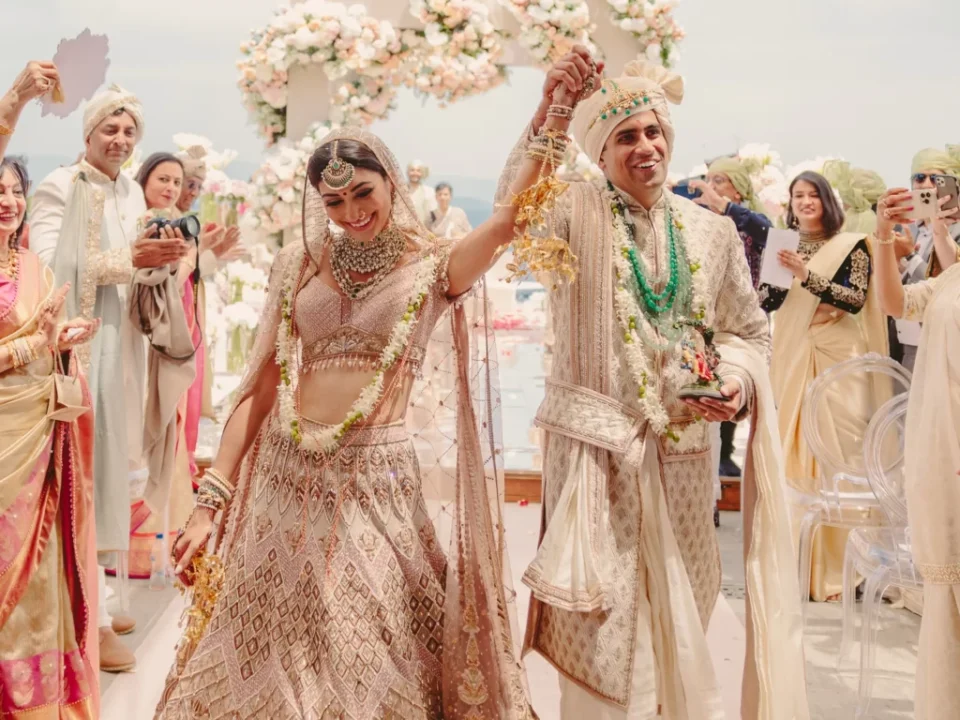
Nairobi weddings still put real weight on how a groom’s safa is tied, which is exactly why Safawala runs safa rental as a full end-to-end job — fitting, fabric, and the final drape — instead of a same-day pickup.
For larger Nairobi weddings, safa rental can be scaled to cover the full wedding party in one coordinated order, keeping the look consistent across the groom, father, and close relatives rather than booked separately.
Visit Our Nairobi Studio
Safawala’s team for Nairobi weddings is used to juggling multiple functions in the same week — sangeet, haldi, and the main ceremony — and plans fabric and tying schedules around that instead of treating each function as a separate booking.
On the Wedding Day
For Nairobi weddings held across multiple venues in the same week, Safawala schedules a separate tying session for each function rather than assuming one tie holds for every event.
What Makes Safawala Different
Safawala keeps a record of what worked for past Nairobi bookings — fabric choices, sizing notes — which comes in useful for families booking multiple functions or repeat events in the same year.
Local Expertise in Nairobi
Local knowledge shows up in small ways — knowing which Nairobi venues have a quiet corner for a proper tying session, or how much time to budget for travel between a hotel and a wedding hall on a busy Saturday. Safawala’s stylists factor this in when scheduling Nairobi bookings.
Why Nairobi Families Trust Us
What builds confidence for Nairobi families booking safa rental isn’t a sales pitch — it’s a fitting that’s taken seriously, a fabric conversation that isn’t rushed, and a stylist who’s clearly done this before. That combination tends to matter more than price alone.
Areas We Cover Near Nairobi
Destination elements to a Nairobi wedding — a function held in nearby towns or the wider region — are folded into the same booking rather than requiring a completely separate order.
What to Keep in Mind
For families new to renting rather than buying a safa, it’s worth asking about the exact pickup timing after the Nairobi event — this is usually arranged in advance so nothing is left for the family to organise once the wedding is over.
Our Simple Booking Process
Pickup after a Nairobi wedding is arranged as part of the original booking, so there’s nothing extra for the family to organise once the celebrations wind down.
Whether it’s one groom or a full wedding party, Safawala’s safa rental in Nairobi is handled the same way: proper fitting, considered fabric choice, and a stylist present on the day.
Frequently Asked Questions About Safa Rental in Nairobi
What's the difference between a safa and a turban in terms of tying style?
The core difference is regional and stylistic — a safa is generally more structured with pleats, while turban styles vary more by state and occasion. Safawala's stylists can recommend a style suited to the family's specific background and the wedding's setting.
Can the fitting be done without visiting a studio in Nairobi?
Yes. Many families complete the fitting over a WhatsApp video call, especially when they're travelling in from another city for the wedding. A final in-person adjustment can still be arranged closer to the date if needed.
What if it's a same-week or last-minute booking?
Last-minute bookings can often still be accommodated, though the fitting and fabric options may be more limited. It's worth reaching out as early as possible even for urgent timelines.
Is on-site tying available at the wedding venue itself, or only at a studio?
On-site tying at the wedding venue is the standard arrangement for safa rental — the stylist travels to the venue on the morning of the event rather than requiring the groom to visit a studio.
How early on the wedding morning does the stylist usually arrive?
This depends on the ceremony time and how many people need to be tied, but the stylist is generally scheduled with enough buffer to finish well before the baraat or main ceremony begins.
How do I get an approximate price for safa rental in Nairobi?
The quickest way is a WhatsApp message with the wedding date, venue, and roughly how many people need turbans — Safawala shares relevant catalogue options and pricing based on that.
Do you offer trial fittings before the actual wedding-week fitting?
A single proper fitting is usually enough, done about one to two weeks before the event. A second check happens on the wedding morning itself as a final adjustment rather than a full separate trial.