
The stylist checks the fit again on the wedding morning, even after an earlier fitting, since minor adjustments are common. Small sizing corrections are handled on the spot as part of the service.
Shirdi Guest & Barati Wedding Safa | Traditional Handcrafted Wedding Turbans
Get Pricing & Catalog on WhatsApp
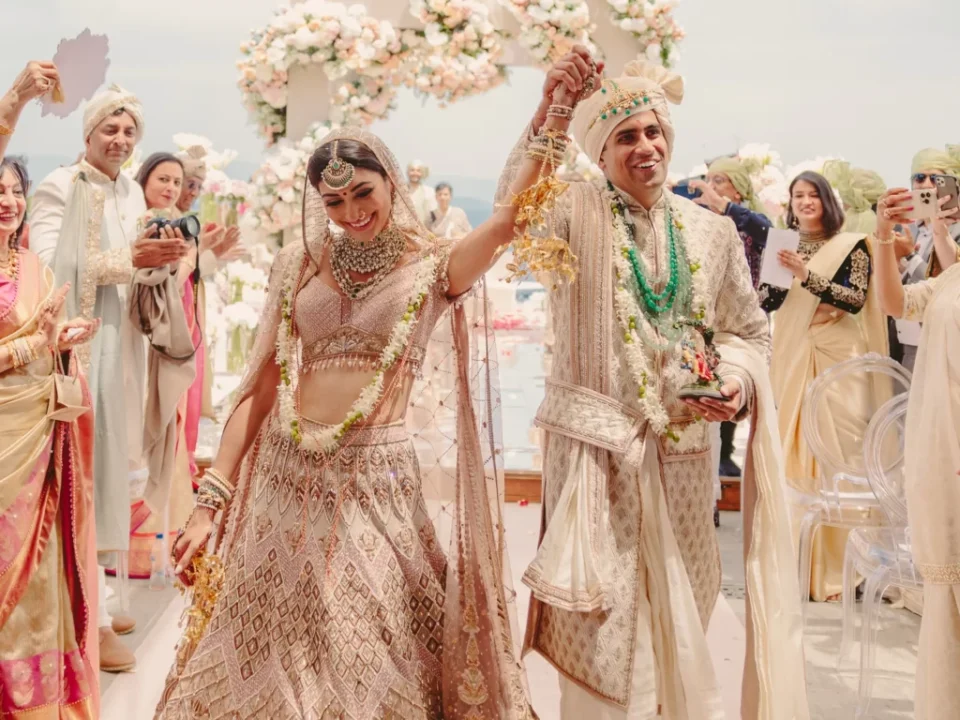
Ask most families planning a wedding in Shirdi and they’ll tell you the safa is one of the few things every guest actually looks at closely. That’s the standard Safawala holds guest and barati styling to: sourced, fitted, and tied by one accountable team.
Every order for guest and barati styling in Shirdi includes doorstep delivery, the on-site tying session itself, and pickup once the celebrations wind down, so the family isn’t left managing extra logistics during an already busy wedding week.
Visit Our Shirdi Studio
Most Shirdi families book two to three weeks ahead of the wedding date, which gives enough time for a proper fitting and any fabric changes without the stress of a last-minute order.
On the Wedding Day
By the time the baraat leaves for a Shirdi wedding, the safa has usually been checked twice — once at the earlier fitting, once again by the stylist minutes before the groom steps out.
What Makes Safawala Different
For Shirdi weddings with a tight schedule, Safawala’s team plans backward from the ceremony time, working out exactly when the stylist needs to arrive rather than treating tying as an afterthought.
Local Expertise in Shirdi
Safawala doesn’t treat Shirdi as a one-off market — repeat bookings and referrals from past Shirdi weddings are common, and the team keeps informal notes on what’s worked well for families here, from fabric choices to timing preferences.
Why Shirdi Families Trust Us
Consistency is what most Shirdi families end up valuing most in hindsight: the same standard of fitting, fabric, and tying applied whether it’s a modest family function or a large multi-day wedding.
Areas We Cover Near Shirdi
For families splitting their wedding functions between Shirdi and Pune, Safawala works out delivery timing and stylist availability for both locations in advance, rather than treating the second venue as an afterthought.
What to Keep in Mind
Confirming the exact ceremony time in Shirdi, rather than an approximate slot, helps the stylist plan arrival with enough buffer for a calm, unhurried tying session.
Our Simple Booking Process
The Shirdi booking process is designed to need minimal back-and-forth — one conversation to confirm details, one fitting, and one delivery, with the stylist handling everything else.
Whatever the scale of the Shirdi wedding, Safawala’s approach to guest and barati styling doesn’t change — fitting first, fabric chosen for the occasion, and tying handled by someone who’s done it before.
Frequently Asked Questions About Guest And Barati Styling in Shirdi
Does the booking include the tying on the wedding day, or just the rental?
The tying is included as part of guest and barati styling — a stylist is scheduled to arrive on the wedding morning with enough time to complete the draping before the ceremony. This isn't sold as a separate add-on; it's part of the standard booking.
How long does the actual tying take on the wedding morning?
Typically 20 to 30 minutes per person, depending on the style and how many people need to be tied. The stylist is scheduled with a buffer so this doesn't feel rushed against the ceremony time.
What if the wedding has multiple functions on different dates?
Fittings and tying sessions are scheduled separately for each function rather than assuming one tie holds across multiple events, since outfits and settings often differ between the sangeet, haldi, and main ceremony.
How do you handle sizing for someone who can't attend a fitting in person?
Measurements can be taken over a video call using simple guidance, and a final adjustment is made when the stylist arrives for the in-person tying on the wedding day.
How far in advance should I book guest and barati styling in Shirdi?
Two to three weeks ahead usually gives enough time for a proper fitting and any fabric adjustments. Bookings closer to the date can often still be accommodated, though the fitting window becomes tighter and there's less room to change fabric or style if something doesn't work on the first try.
Do you provide services for both the groom and the bride's side of the family?
Yes — turban tying is offered for the groom's side and the bride's side alike, including fathers, brothers, and other close relatives attending the Shirdi wedding.
Can the fabric or color be changed after the initial booking?
Yes, as long as it's raised before the final fitting. Fabric and color changes are easiest to accommodate when flagged at least a week or two before the event, rather than a few days out.