
On-site tying at the wedding venue is the standard arrangement for guest and barati styling — the stylist travels to the venue on the morning of the event rather than requiring the groom to visit a studio.
Satara Guest & Barati Wedding Safa | Traditional Handcrafted Wedding Turbans
Get Pricing & Catalog on WhatsApp
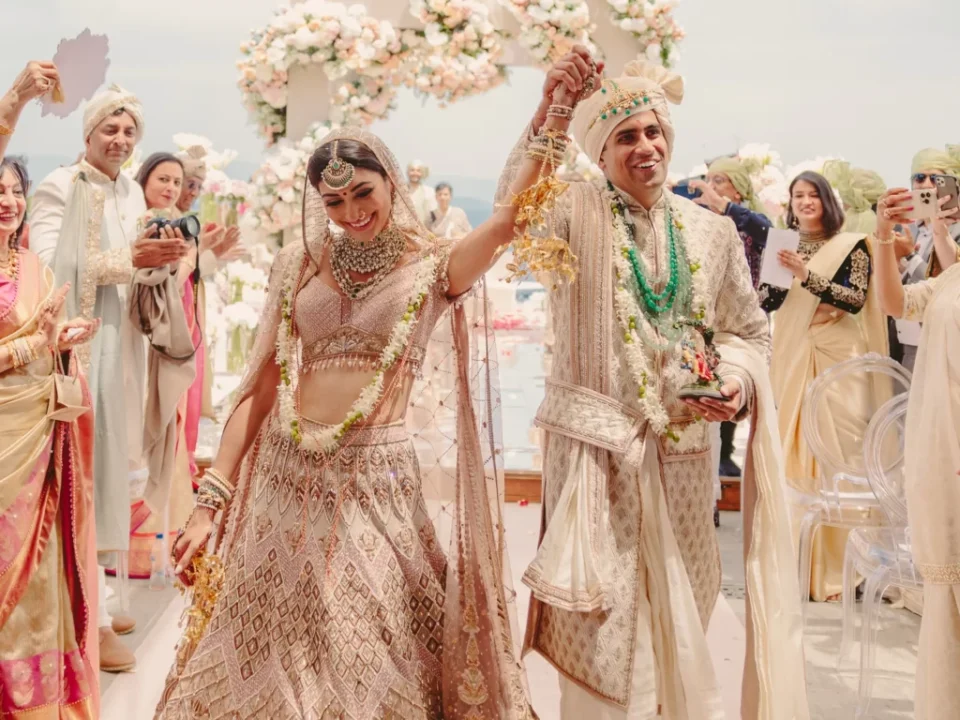
Satara sits at the center of a city where the pagdi remains standard at Maharashtrian and Marwari weddings alike, tied fresh for every ceremony rather than bought off a shelf, and Safawala’s guest and barati styling is designed around that context — practical for the busy families planning the event, without cutting corners on how the piece is fitted or tied.
Safawala’s guest and barati styling for Satara is priced to cover the complete process — fabric, fitting, tying, delivery, and pickup — rather than itemised as a bare rental with tying charged as a separate add-on.
Visit Our Satara Studio
For families managing a Satara wedding from another city entirely, Safawala coordinates fitting and delivery timing around the family’s actual travel schedule rather than a fixed in-house appointment slot.
On the Wedding Day
For Satara bookings with multiple people needing turbans on the same morning — groom, father, brothers — the stylist works through the group in a set order agreed in advance, so no one is left waiting until the last minute.
What Makes Safawala Different
Safawala keeps a record of what worked for past Satara bookings — fabric choices, sizing notes — which comes in useful for families booking multiple functions or repeat events in the same year.
Local Expertise in Satara
Safawala’s stylists working Satara have tied safas across the kind of venues common here — banquet halls, farmhouses, and hotel lawns alike — so the fabric and drape recommendations account for the setting, not just the outfit. That local familiarity tends to matter more than families expect until they compare it against a generic, one-size rental.
Why Satara Families Trust Us
Safawala’s team treats every Satara booking — whether it’s a single groom’s safa or a full wedding party — with the same level of attention to fitting and tying, rather than reserving the careful process for larger orders only.
Areas We Cover Near Satara
Beyond Satara itself, the same Safawala team regularly handles guest and barati styling for weddings in Pune, Aurangabad, and Nashik, so a destination or multi-venue celebration isn’t a logistics problem.
What to Keep in Mind
Timing the fitting a week or two before the event, rather than the day before, gives enough room to swap fabric or fix sizing without last-minute stress on the wedding morning in Satara.
Our Simple Booking Process
For Satara weddings booked well in advance, Safawala schedules the fitting appointment about two weeks out, which tends to give the most reliable fit on the day itself.
For every Satara family, the process ends the same way it started — a stylist who shows up, a safa that fits, and one less thing to manage during an already busy wedding week.
Frequently Asked Questions About Guest And Barati Styling in Satara
How far in advance should I book guest and barati styling in Satara?
Two to three weeks ahead usually gives enough time for a proper fitting and any fabric adjustments. Bookings closer to the date can often still be accommodated, though the fitting window becomes tighter and there's less room to change fabric or style if something doesn't work on the first try.
Can the fabric or color be changed after the initial booking?
Yes, as long as it's raised before the final fitting. Fabric and color changes are easiest to accommodate when flagged at least a week or two before the event, rather than a few days out.
Is turban tying available for kids or teenagers in the wedding party?
Yes, sizing and styling can be adjusted for younger members of the wedding party — this is worth mentioning at the time of booking so the right sizes are prepared in advance.
What fabrics are typically used for guest and barati styling in Satara?
Silk, brocade, and cotton-silk blends are the most common choices, selected based on the season, the outfit underneath, and whether the event is indoors or outdoors.
What's included in the price — just the safa, or the full service?
The price covers the full service: fabric, fitting, on-site tying, delivery, and pickup. It isn't priced as a bare rental with tying charged separately.
Is there a minimum number of turbans required for a group booking?
No strict minimum — bookings range from a single groom's safa to a full wedding party. Group orders are simply coordinated as one booking rather than several separate ones.
Do you offer trial fittings before the actual wedding-week fitting?
A single proper fitting is usually enough, done about one to two weeks before the event. A second check happens on the wedding morning itself as a final adjustment rather than a full separate trial.