
This is usually discussed at the fitting stage, where the stylist can see the outfit or photos of it and recommend a fabric and color that complements it rather than clashes.
Nathdwara Guest & Barati Wedding Safa | Professional Turban Styling & Safas
Get Pricing & Catalog on WhatsApp
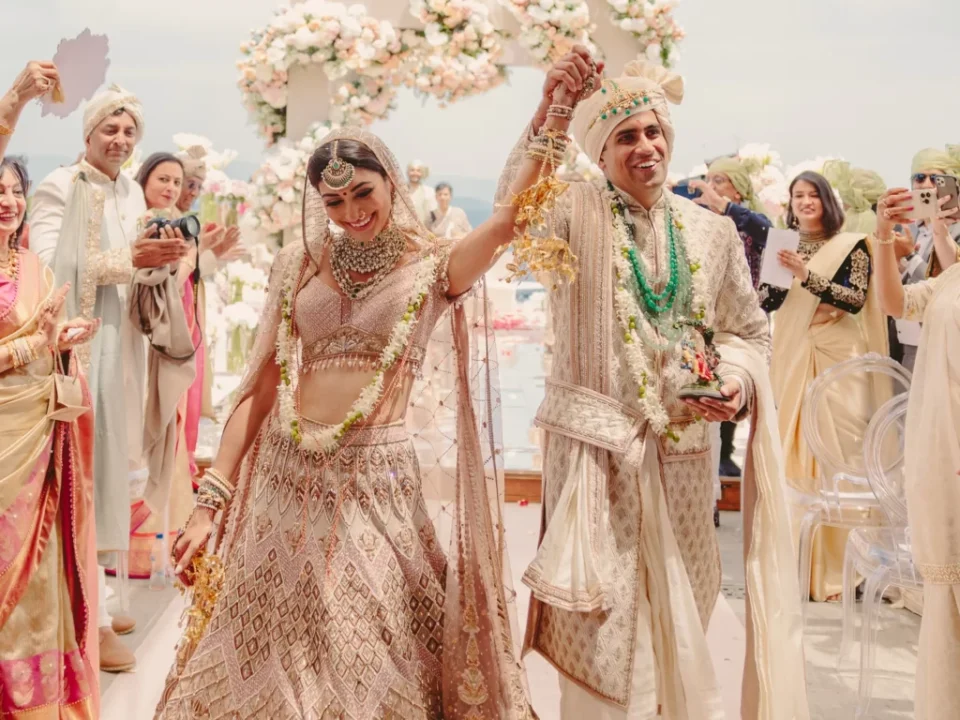
Nathdwara weddings still put real weight on how a groom’s safa is tied, which is exactly why Safawala runs guest and barati styling as a full end-to-end job — fitting, fabric, and the final drape — instead of a same-day pickup.
guest and barati styling through Safawala in Nathdwara covers the full range from classic, traditional drapes to more contemporary, minimal styles — priced for both single-day rentals and multi-function packages that stretch across the sangeet, haldi, and main ceremony.
Visit Our Nathdwara Studio
A lot of Nathdwara bookings come from referrals — one family’s wedding photos leading to the next family’s inquiry. Safawala’s process stays the same regardless: fitting, fabric, tying, all handled by one team.
On the Wedding Day
For Nathdwara bookings with multiple people needing turbans on the same morning — groom, father, brothers — the stylist works through the group in a set order agreed in advance, so no one is left waiting until the last minute.
What Makes Safawala Different
Safawala’s Nathdwara bookings don’t rely on guesswork for sizing — a proper fitting, done in person or over video call, replaces the standard-size assumption most rental services default to.
Local Expertise in Nathdwara
Nathdwara’s wedding season brings its own scheduling pressure, with multiple families often booking the same weekends. Safawala confirms stylist availability early for Nathdwara bookings specifically because of this pattern, rather than assuming a slot will always be open closer to the date.
Why Nathdwara Families Trust Us
Consistency is what most Nathdwara families end up valuing most in hindsight: the same standard of fitting, fabric, and tying applied whether it’s a modest family function or a large multi-day wedding.
Areas We Cover Near Nathdwara
Beyond Nathdwara itself, the same Safawala team regularly handles guest and barati styling for weddings in Udaipur, Jodhpur, and Ajmer, so a destination or multi-venue celebration isn’t a logistics problem.
What to Keep in Mind
It helps to confirm the outfit underneath — sherwani, kurta, or bandhgala — before the fitting, since the tying style and fabric pairing can shift depending on what’s worn with the safa.
Our Simple Booking Process
Safawala treats every Nathdwara booking as a fixed commitment once confirmed — the same stylist assigned at the fitting stage is the one who shows up for the tying on the wedding morning.
Whether it’s one groom or a full wedding party, Safawala’s guest and barati styling in Nathdwara is handled the same way: proper fitting, considered fabric choice, and a stylist present on the day.
Frequently Asked Questions About Guest And Barati Styling in Nathdwara
How is payment structured for a Nathdwara booking?
A small advance confirms the booking, with the remaining balance settled on delivery. This keeps the upfront commitment low until the family has actually seen and approved the piece.
How far in advance should I book guest and barati styling in Nathdwara?
Two to three weeks ahead usually gives enough time for a proper fitting and any fabric adjustments. Bookings closer to the date can often still be accommodated, though the fitting window becomes tighter and there's less room to change fabric or style if something doesn't work on the first try.
Can out-of-town relatives get a turban tied if they're only arriving the morning of the wedding?
This is possible but needs to be flagged in advance so the stylist's schedule accounts for it — arriving without notice on a packed wedding morning makes it harder to guarantee a slot.
Are there different safa styles for different communities or regions?
Yes — styles vary by community and region, and Safawala's stylists working in Nathdwara are familiar with the local preferences, whether that's a Rajputi drape, a Gujarati style, or a Marathi pagdi.
Is turban tying available for kids or teenagers in the wedding party?
Yes, sizing and styling can be adjusted for younger members of the wedding party — this is worth mentioning at the time of booking so the right sizes are prepared in advance.
How long does the actual tying take on the wedding morning?
Typically 20 to 30 minutes per person, depending on the style and how many people need to be tied. The stylist is scheduled with a buffer so this doesn't feel rushed against the ceremony time.
Is it possible to book turbans for the whole wedding party, not just the groom?
Yes — group bookings covering the groom, father, brothers, and other close relatives are handled as one coordinated order, which also helps keep the look consistent across the wedding party in photographs.