
Silk, brocade, and cotton-silk blends are the most common choices, selected based on the season, the outfit underneath, and whether the event is indoors or outdoors.
Morjim Guest & Barati Wedding Safa | Traditional Handcrafted Wedding Turbans
Get Pricing & Catalog on WhatsApp
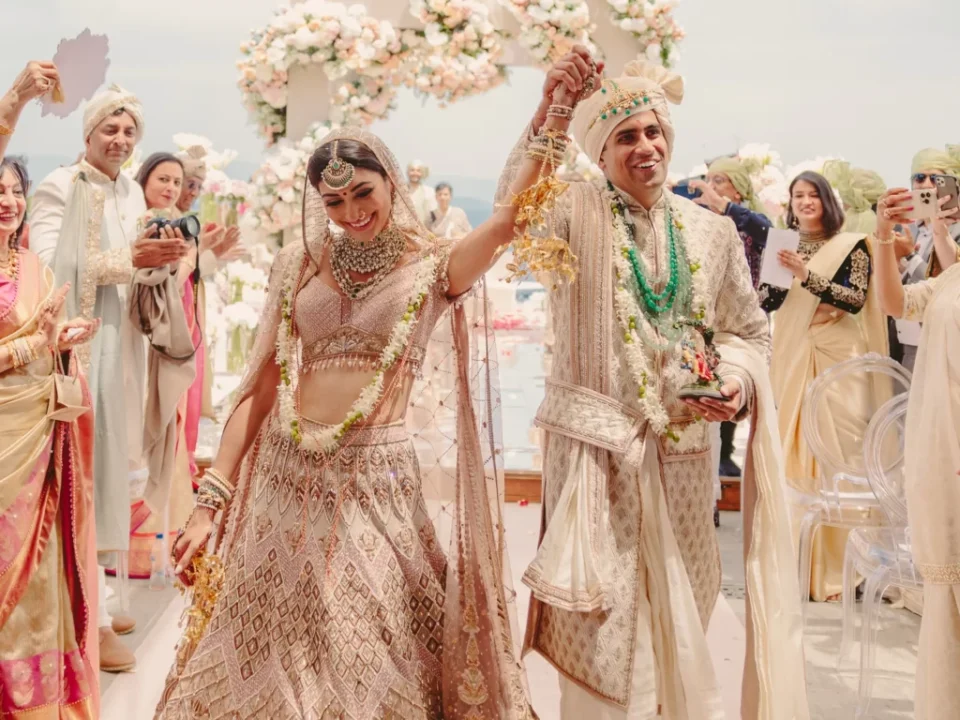
Morjim weddings still put real weight on how a groom’s safa is tied, which is exactly why Safawala runs guest and barati styling as a full end-to-end job — fitting, fabric, and the final drape — instead of a same-day pickup.
The Morjim catalogue for guest and barati styling includes options across silk, brocade, and cotton-silk blends, chosen based on the season, the venue, and what’s being worn underneath — a decision usually finalised together with the stylist at the fitting.
Visit Our Morjim Studio
Booking guest and barati styling for Morjim usually starts with a short WhatsApp exchange — date, venue, and the kind of look the family has in mind. Catalogue options follow shortly after, tailored to what’s actually being planned.
On the Wedding Day
The final few minutes before a Morjim groom steps out are usually the calmest part of the whole process, since fabric, fitting, and styling decisions have already been settled days in advance.
What Makes Safawala Different
Safawala’s Morjim bookings don’t rely on guesswork for sizing — a proper fitting, done in person or over video call, replaces the standard-size assumption most rental services default to.
Local Expertise in Morjim
Having worked enough Morjim weddings, Safawala’s stylists have a reasonable sense of which fabrics tend to hold up best in the local weather and venue conditions during the wedding season, and they’ll flag this during the fitting rather than leaving the family to guess.
Why Morjim Families Trust Us
What builds confidence for Morjim families booking guest and barati styling isn’t a sales pitch — it’s a fitting that’s taken seriously, a fabric conversation that isn’t rushed, and a stylist who’s clearly done this before. That combination tends to matter more than price alone.
Areas We Cover Near Morjim
Beyond Morjim itself, the same Safawala team regularly handles guest and barati styling for weddings in Panaji, Calangute, and Margao, so a destination or multi-venue celebration isn’t a logistics problem.
What to Keep in Mind
It helps to confirm the outfit underneath — sherwani, kurta, or bandhgala — before the fitting, since the tying style and fabric pairing can shift depending on what’s worn with the safa.
Our Simple Booking Process
For Morjim weddings booked well in advance, Safawala schedules the fitting appointment about two weeks out, which tends to give the most reliable fit on the day itself.
Whether it’s one groom or a full wedding party, Safawala’s guest and barati styling in Morjim is handled the same way: proper fitting, considered fabric choice, and a stylist present on the day.
Frequently Asked Questions About Guest And Barati Styling in Morjim
Does the booking include the tying on the wedding day, or just the rental?
The tying is included as part of guest and barati styling — a stylist is scheduled to arrive on the wedding morning with enough time to complete the draping before the ceremony. This isn't sold as a separate add-on; it's part of the standard booking.
What happens to the safa after the wedding — do I need to return it in a specific condition?
Pickup is arranged after the event, and the piece is simply returned as worn — Safawala handles cleaning afterward. There's no special preparation needed from the family.
How do you handle sizing for someone who can't attend a fitting in person?
Measurements can be taken over a video call using simple guidance, and a final adjustment is made when the stylist arrives for the in-person tying on the wedding day.
Do you cover destination weddings outside Morjim?
Yes, destination and multi-venue weddings are handled as part of the same booking — delivery timing and stylist availability are worked out in advance so travel isn't left as an afterthought.
What if it's a same-week or last-minute booking?
Last-minute bookings can often still be accommodated, though the fitting and fabric options may be more limited. It's worth reaching out as early as possible even for urgent timelines.
Is there a minimum number of turbans required for a group booking?
No strict minimum — bookings range from a single groom's safa to a full wedding party. Group orders are simply coordinated as one booking rather than several separate ones.
Can out-of-town relatives get a turban tied if they're only arriving the morning of the wedding?
This is possible but needs to be flagged in advance so the stylist's schedule accounts for it — arriving without notice on a packed wedding morning makes it harder to guarantee a slot.