
Fittings and tying sessions are scheduled separately for each function rather than assuming one tie holds across multiple events, since outfits and settings often differ between the sangeet, haldi, and main ceremony.
Dona Paula Groom Wedding Turban | Professional Turban Styling & Safas
Get Pricing & Catalog on WhatsApp
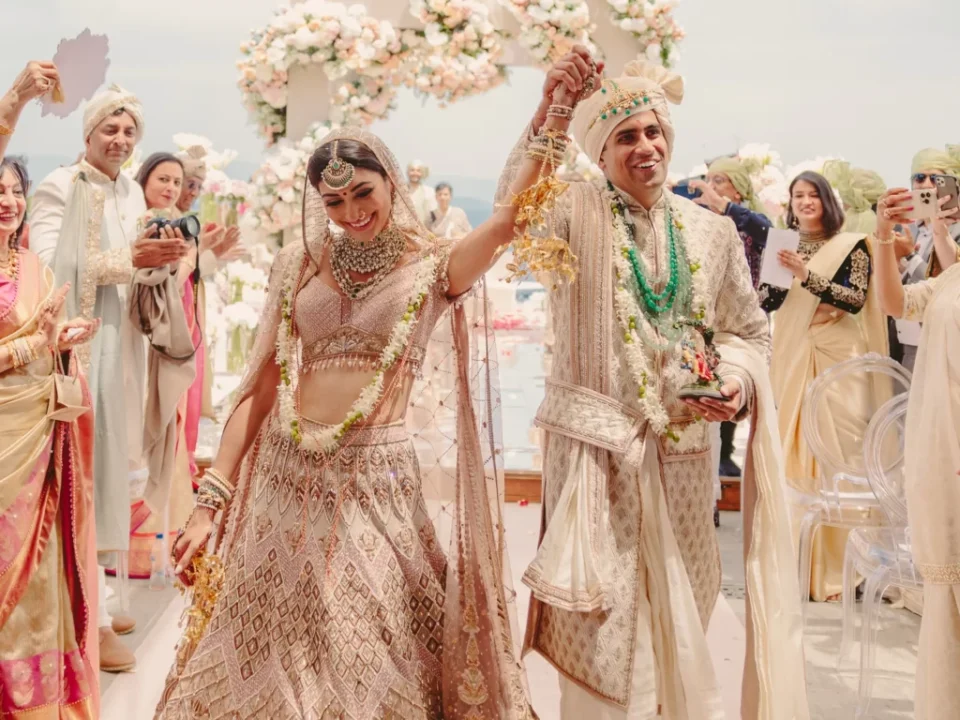
groom turban styling in Dona Paula through Safawala isn’t sold as a product on a shelf. It’s a service: a fitting appointment, a fabric conversation, and a stylist who ties the piece on the morning of the wedding.
The Dona Paula catalogue for groom turban styling includes options across silk, brocade, and cotton-silk blends, chosen based on the season, the venue, and what’s being worn underneath — a decision usually finalised together with the stylist at the fitting.
Visit Our Dona Paula Studio
Booking groom turban styling for Dona Paula usually starts with a short WhatsApp exchange — date, venue, and the kind of look the family has in mind. Catalogue options follow shortly after, tailored to what’s actually being planned.
On the Wedding Day
For Dona Paula bookings with multiple people needing turbans on the same morning — groom, father, brothers — the stylist works through the group in a set order agreed in advance, so no one is left waiting until the last minute.
What Makes Safawala Different
What sets groom turban styling apart in Dona Paula is less about the fabric catalogue and more about the fitting-and-tying process around it — most complaints about a rented safa trace back to a skipped fitting, not the fabric itself.
Local Expertise in Dona Paula
Local knowledge shows up in small ways — knowing which Dona Paula venues have a quiet corner for a proper tying session, or how much time to budget for travel between a hotel and a wedding hall on a busy Saturday. Safawala’s stylists factor this in when scheduling Dona Paula bookings.
Why Dona Paula Families Trust Us
What builds confidence for Dona Paula families booking groom turban styling isn’t a sales pitch — it’s a fitting that’s taken seriously, a fabric conversation that isn’t rushed, and a stylist who’s clearly done this before. That combination tends to matter more than price alone.
Areas We Cover Near Dona Paula
Families planning a Dona Paula wedding with guests travelling from Panaji or Calangute often ask about delivering a second or third safa to a different venue — Safawala coordinates this as part of the same booking.
What to Keep in Mind
If the wedding involves multiple functions in Dona Paula, it’s worth deciding early whether the same safa is reused or a different one is needed for each event, since that changes what gets planned and packed.
Our Simple Booking Process
Safawala treats every Dona Paula booking as a fixed commitment once confirmed — the same stylist assigned at the fitting stage is the one who shows up for the tying on the wedding morning.
Whatever the scale of the Dona Paula wedding, Safawala’s approach to groom turban styling doesn’t change — fitting first, fabric chosen for the occasion, and tying handled by someone who’s done it before.
Frequently Asked Questions About Groom Turban Styling in Dona Paula
Is it possible to book turbans for the whole wedding party, not just the groom?
Yes — group bookings covering the groom, father, brothers, and other close relatives are handled as one coordinated order, which also helps keep the look consistent across the wedding party in photographs.
How far in advance should I book groom turban styling in Dona Paula?
Two to three weeks ahead usually gives enough time for a proper fitting and any fabric adjustments. Bookings closer to the date can often still be accommodated, though the fitting window becomes tighter and there's less room to change fabric or style if something doesn't work on the first try.
Can the fabric or color be changed after the initial booking?
Yes, as long as it's raised before the final fitting. Fabric and color changes are easiest to accommodate when flagged at least a week or two before the event, rather than a few days out.
Is turban tying available for kids or teenagers in the wedding party?
Yes, sizing and styling can be adjusted for younger members of the wedding party — this is worth mentioning at the time of booking so the right sizes are prepared in advance.
What's included in the price — just the safa, or the full service?
The price covers the full service: fabric, fitting, on-site tying, delivery, and pickup. It isn't priced as a bare rental with tying charged separately.
Is there a minimum number of turbans required for a group booking?
No strict minimum — bookings range from a single groom's safa to a full wedding party. Group orders are simply coordinated as one booking rather than several separate ones.
Can out-of-town relatives get a turban tied if they're only arriving the morning of the wedding?
This is possible but needs to be flagged in advance so the stylist's schedule accounts for it — arriving without notice on a packed wedding morning makes it harder to guarantee a slot.