
Fittings and tying sessions are scheduled separately for each function rather than assuming one tie holds across multiple events, since outfits and settings often differ between the sangeet, haldi, and main ceremony.
Premium Groom Wedding Turban in Bopal | Royal Wedding Safas
Get Pricing & Catalog on WhatsApp
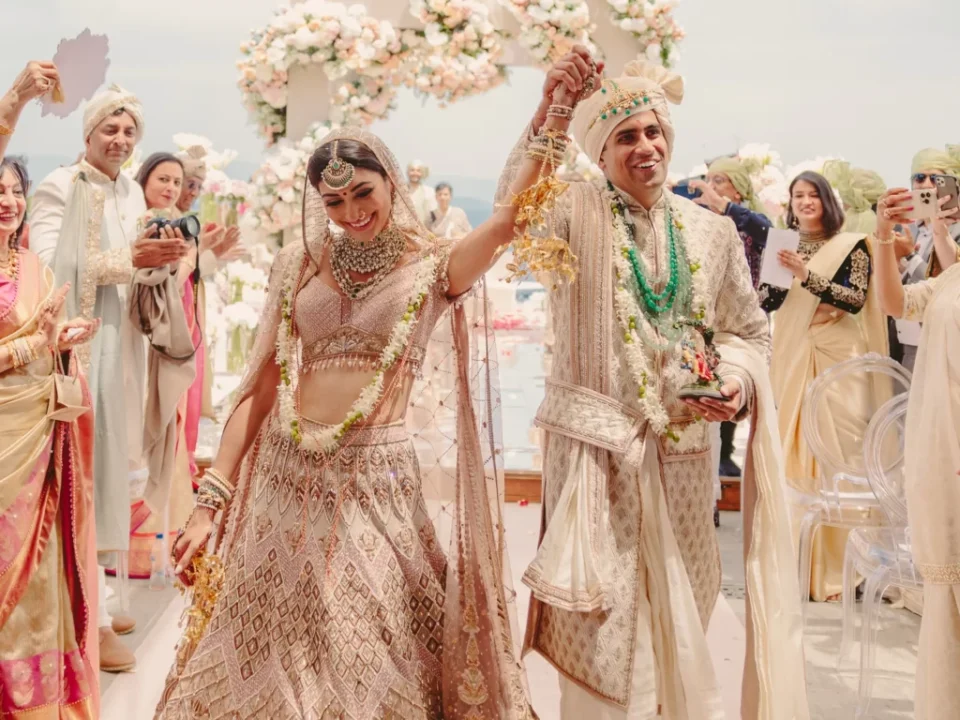
In a city like Bopal — a city where the safa still anchors the groom’s look at every Gujarati and Jain wedding, from a Maninagar hall wedding to a Bopal farmhouse function — the safa carries more expectation than an outsider might assume, and Safawala’s groom turban styling is built to meet that bar rather than settle for a generic off-the-rack option.
The Bopal catalogue for groom turban styling includes options across silk, brocade, and cotton-silk blends, chosen based on the season, the venue, and what’s being worn underneath — a decision usually finalised together with the stylist at the fitting.
Visit Our Bopal Studio
Families who’d rather see the fabric before committing are welcome to visit Safawala’s studio and discuss options for their Bopal booking directly. Most families, though, complete the whole process over WhatsApp and meet the stylist only at the fitting.
On the Wedding Day
The final few minutes before a Bopal groom steps out are usually the calmest part of the whole process, since fabric, fitting, and styling decisions have already been settled days in advance.
What Makes Safawala Different
Every piece sent out for a Bopal wedding is cleaned and inspected before delivery, and a fitting appointment ahead of the event catches sizing issues early, well before the morning when there’s no time left to fix them.
Local Expertise in Bopal
Weddings in Bopal follow their own rhythm — certain weeks get booked out faster than others, certain venues have specific space constraints for the tying session. Safawala’s team plans around this local pattern rather than treating every Bopal booking as an isolated, unfamiliar request.
Why Bopal Families Trust Us
Referrals make up a meaningful share of Bopal bookings, which says more about consistency than any single review could — families tend to recommend Safawala to relatives planning their own Bopal wedding only after seeing the process hold up for their own event.
Areas We Cover Near Bopal
Bopal isn’t treated as an isolated booking — Safawala’s stylists also cover Gandhinagar and Sanand regularly, so multi-city wedding schedules are planned for rather than handled as exceptions.
What to Keep in Mind
If the wedding involves multiple functions in Bopal, it’s worth deciding early whether the same safa is reused or a different one is needed for each event, since that changes what gets planned and packed.
Our Simple Booking Process
The Bopal booking process is designed to need minimal back-and-forth — one conversation to confirm details, one fitting, and one delivery, with the stylist handling everything else.
Safawala’s goal for every Bopal booking is simple: a safa that looks like it was made for that specific groom, tied by someone who knows what they’re doing, delivered on time.
Frequently Asked Questions About Groom Turban Styling in Bopal
How do you handle sizing for someone who can't attend a fitting in person?
Measurements can be taken over a video call using simple guidance, and a final adjustment is made when the stylist arrives for the in-person tying on the wedding day.
Do you provide services for both the groom and the bride's side of the family?
Yes — turban tying is offered for the groom's side and the bride's side alike, including fathers, brothers, and other close relatives attending the Bopal wedding.
What if the wedding venue changes after the booking is confirmed?
Just let the team know as soon as the new venue is confirmed — delivery and stylist scheduling are updated accordingly without affecting the rest of the booking.
Can the fabric or color be changed after the initial booking?
Yes, as long as it's raised before the final fitting. Fabric and color changes are easiest to accommodate when flagged at least a week or two before the event, rather than a few days out.
How early on the wedding morning does the stylist usually arrive?
This depends on the ceremony time and how many people need to be tied, but the stylist is generally scheduled with enough buffer to finish well before the baraat or main ceremony begins.
Is delivery and pickup included for Bopal weddings?
Yes — delivery ahead of the event and pickup afterward are both arranged as part of the booking, so there's nothing extra for the family to organise once the wedding is over.
How is payment structured for a Bopal booking?
A small advance confirms the booking, with the remaining balance settled on delivery. This keeps the upfront commitment low until the family has actually seen and approved the piece.