
Fittings and tying sessions are scheduled separately for each function rather than assuming one tie holds across multiple events, since outfits and settings often differ between the sangeet, haldi, and main ceremony.
Bhuj Groom Wedding Turban | Professional Turban Styling & Safas
Get Pricing & Catalog on WhatsApp
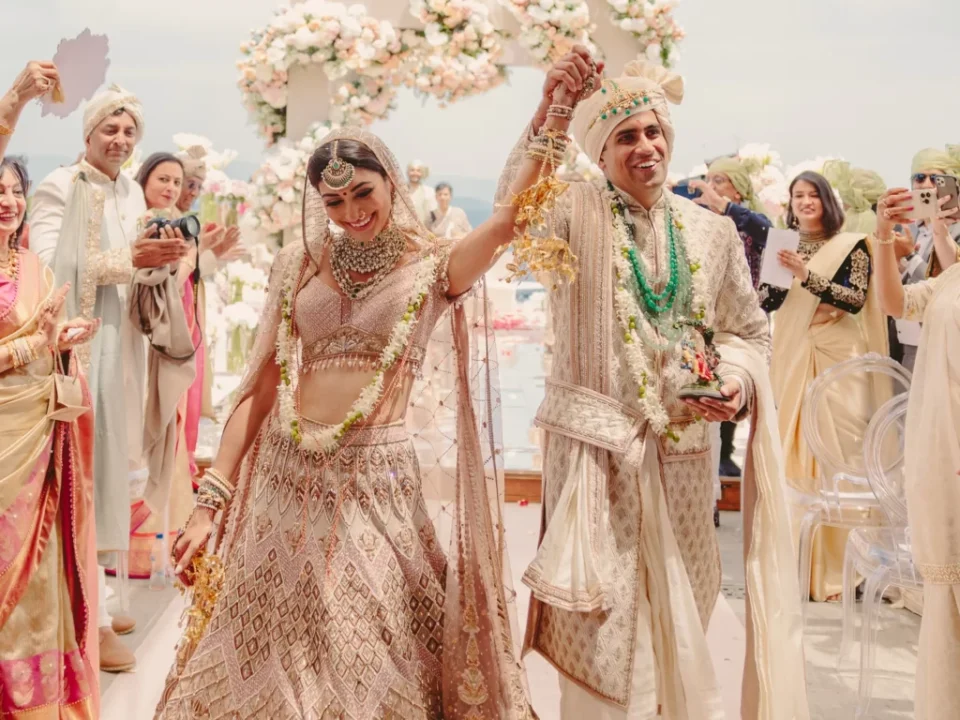
Safawala runs groom turban styling in Bhuj the way a tailor runs a suit order — fitting first, fabric decided around the occasion, and the final tying done in person rather than assumed the groom can manage alone.
For larger Bhuj weddings, groom turban styling can be scaled to cover the full wedding party in one coordinated order, keeping the look consistent across the groom, father, and close relatives rather than booked separately.
Visit Our Bhuj Studio
Out-of-town relatives coming in for a Bhuj wedding aren’t left out of the process — an initial fitting consultation can be done over video call, with the final adjustment made in person closer to the date.
On the Wedding Day
The tying itself takes longer than most people expect the first time they see it done properly — pleating, securing, and shaping the safa so it holds through a full day of photographs and dancing.
What Makes Safawala Different
Safawala’s Bhuj bookings don’t rely on guesswork for sizing — a proper fitting, done in person or over video call, replaces the standard-size assumption most rental services default to.
Local Expertise in Bhuj
Having worked enough Bhuj weddings, Safawala’s stylists have a reasonable sense of which fabrics tend to hold up best in the local weather and venue conditions during the wedding season, and they’ll flag this during the fitting rather than leaving the family to guess.
Why Bhuj Families Trust Us
Referrals make up a meaningful share of Bhuj bookings, which says more about consistency than any single review could — families tend to recommend Safawala to relatives planning their own Bhuj wedding only after seeing the process hold up for their own event.
Areas We Cover Near Bhuj
Beyond Bhuj itself, the same Safawala team regularly handles groom turban styling for weddings in Rajkot, Jamnagar, and Gondal, so a destination or multi-venue celebration isn’t a logistics problem.
What to Keep in Mind
Timing the fitting a week or two before the event, rather than the day before, gives enough room to swap fabric or fix sizing without last-minute stress on the wedding morning in Bhuj.
Our Simple Booking Process
The Bhuj booking process is designed to need minimal back-and-forth — one conversation to confirm details, one fitting, and one delivery, with the stylist handling everything else.
Whatever the scale of the Bhuj wedding, Safawala’s approach to groom turban styling doesn’t change — fitting first, fabric chosen for the occasion, and tying handled by someone who’s done it before.
Frequently Asked Questions About Groom Turban Styling in Bhuj
How early on the wedding morning does the stylist usually arrive?
This depends on the ceremony time and how many people need to be tied, but the stylist is generally scheduled with enough buffer to finish well before the baraat or main ceremony begins.
Can I request a specific stylist if I've worked with Safawala before?
This can usually be arranged, subject to availability on the wedding date — it's worth mentioning at the time of booking if there's a stylist the family has worked with previously.
How do I get an approximate price for groom turban styling in Bhuj?
The quickest way is a WhatsApp message with the wedding date, venue, and roughly how many people need turbans — Safawala shares relevant catalogue options and pricing based on that.
What if I'm not sure exactly what style I want yet?
That's normal — most families finalise the exact style at the fitting stage after seeing a few fabric and drape options in person or over video call, rather than deciding everything upfront.
How is payment structured for a Bhuj booking?
A small advance confirms the booking, with the remaining balance settled on delivery. This keeps the upfront commitment low until the family has actually seen and approved the piece.
Do you offer trial fittings before the actual wedding-week fitting?
A single proper fitting is usually enough, done about one to two weeks before the event. A second check happens on the wedding morning itself as a final adjustment rather than a full separate trial.
How far in advance should I book groom turban styling in Bhuj?
Two to three weeks ahead usually gives enough time for a proper fitting and any fabric adjustments. Bookings closer to the date can often still be accommodated, though the fitting window becomes tighter and there's less room to change fabric or style if something doesn't work on the first try.