
A single proper fitting is usually enough, done about one to two weeks before the event. A second check happens on the wedding morning itself as a final adjustment rather than a full separate trial.
Satara Groom Wedding Safa | Professional Turban Styling & Safas
Get Pricing & Catalog on WhatsApp
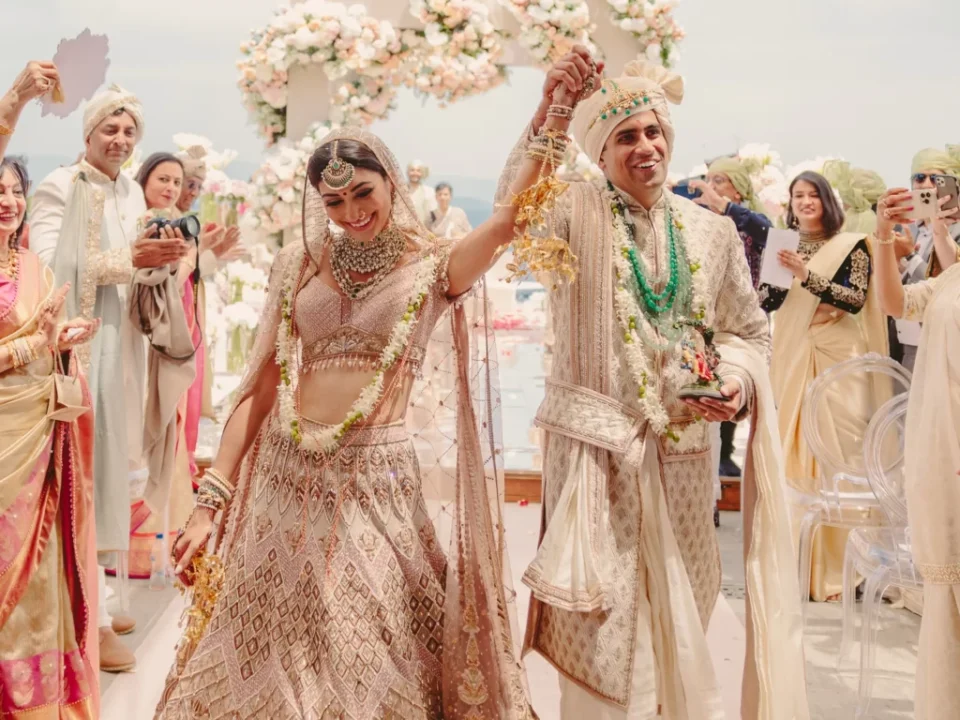
Satara weddings still put real weight on how a groom’s safa is tied, which is exactly why Safawala runs groom safa styling as a full end-to-end job — fitting, fabric, and the final drape — instead of a same-day pickup.
For larger Satara weddings, groom safa styling can be scaled to cover the full wedding party in one coordinated order, keeping the look consistent across the groom, father, and close relatives rather than booked separately.
Visit Our Satara Studio
A lot of Satara bookings come from referrals — one family’s wedding photos leading to the next family’s inquiry. Safawala’s process stays the same regardless: fitting, fabric, tying, all handled by one team.
On the Wedding Day
Once the safa is tied on the wedding morning in Satara, it’s built to hold through the full event — the ceremony, the photographs, and the reception — without needing to be re-tied partway through.
What Makes Safawala Different
What sets groom safa styling apart in Satara is less about the fabric catalogue and more about the fitting-and-tying process around it — most complaints about a rented safa trace back to a skipped fitting, not the fabric itself.
Local Expertise in Satara
Local knowledge shows up in small ways — knowing which Satara venues have a quiet corner for a proper tying session, or how much time to budget for travel between a hotel and a wedding hall on a busy Saturday. Safawala’s stylists factor this in when scheduling Satara bookings.
Why Satara Families Trust Us
Consistency is what most Satara families end up valuing most in hindsight: the same standard of fitting, fabric, and tying applied whether it’s a modest family function or a large multi-day wedding.
Areas We Cover Near Satara
Beyond Satara itself, the same Safawala team regularly handles groom safa styling for weddings in Pune, Aurangabad, and Nashik, so a destination or multi-venue celebration isn’t a logistics problem.
What to Keep in Mind
Confirming the exact ceremony time in Satara, rather than an approximate slot, helps the stylist plan arrival with enough buffer for a calm, unhurried tying session.
Our Simple Booking Process
For Satara families booking groom safa styling, the fastest path is usually a direct WhatsApp message with the wedding date and venue — catalogue options and fitting scheduling follow from there within a day or two.
Safawala’s goal for every Satara booking is simple: a safa that looks like it was made for that specific groom, tied by someone who knows what they’re doing, delivered on time.
Frequently Asked Questions About Groom Safa Styling in Satara
Can out-of-town relatives get a turban tied if they're only arriving the morning of the wedding?
This is possible but needs to be flagged in advance so the stylist's schedule accounts for it — arriving without notice on a packed wedding morning makes it harder to guarantee a slot.
What fabrics are typically used for groom safa styling in Satara?
Silk, brocade, and cotton-silk blends are the most common choices, selected based on the season, the outfit underneath, and whether the event is indoors or outdoors.
How far in advance should I book groom safa styling in Satara?
Two to three weeks ahead usually gives enough time for a proper fitting and any fabric adjustments. Bookings closer to the date can often still be accommodated, though the fitting window becomes tighter and there's less room to change fabric or style if something doesn't work on the first try.
How long does the actual tying take on the wedding morning?
Typically 20 to 30 minutes per person, depending on the style and how many people need to be tied. The stylist is scheduled with a buffer so this doesn't feel rushed against the ceremony time.
Do you provide services for both the groom and the bride's side of the family?
Yes — turban tying is offered for the groom's side and the bride's side alike, including fathers, brothers, and other close relatives attending the Satara wedding.
Can I see the fabric in person before confirming the booking?
Yes, a studio visit can be arranged for families who'd prefer to see and feel the fabric directly, though most Satara bookings are completed over WhatsApp with photos and video calls instead.
What if it's a same-week or last-minute booking?
Last-minute bookings can often still be accommodated, though the fitting and fabric options may be more limited. It's worth reaching out as early as possible even for urgent timelines.