
This is planned for at the fitting stage — if a family needs a different style for, say, the haldi versus the main ceremony, that's factored into the booking rather than assumed to be one style throughout.
Chittorgarh Destination Wedding Turban Tying | Traditional Handcrafted Wedding Turbans
Get Pricing & Catalog on WhatsApp
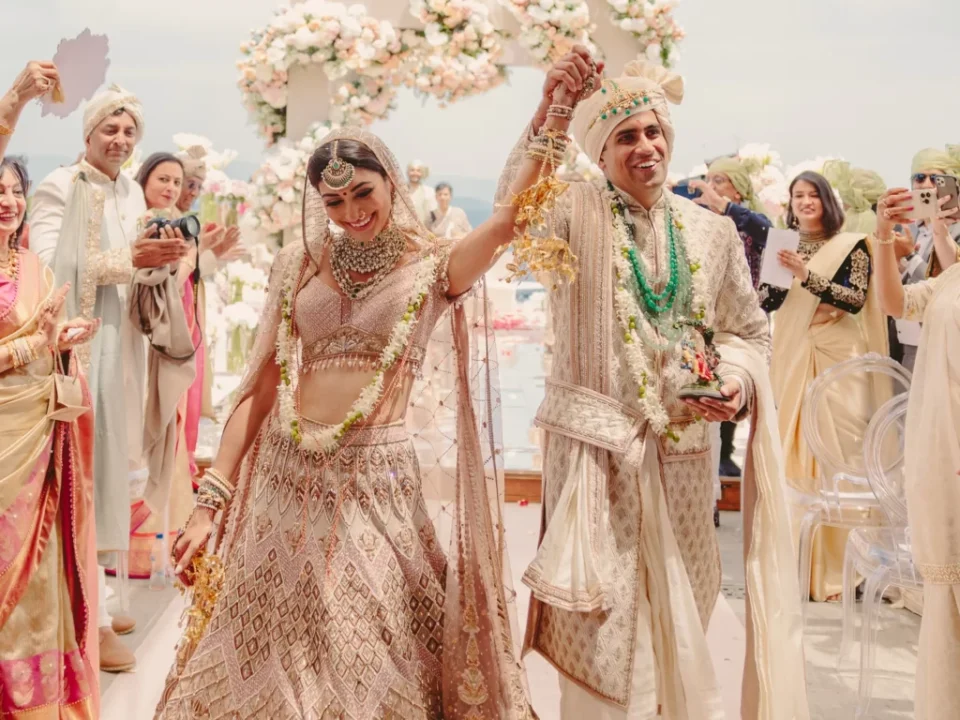
Chittorgarh weddings still put real weight on how a groom’s safa is tied, which is exactly why Safawala runs destination turban tying as a full end-to-end job — fitting, fabric, and the final drape — instead of a same-day pickup.
destination turban tying bookings in Chittorgarh aren’t limited to a single fixed style — families can choose from a range of drapes and colors, with the final decision usually made at the fitting once the outfit and venue are confirmed.
Visit Our Chittorgarh Studio
Booking destination turban tying for Chittorgarh usually starts with a short WhatsApp exchange — date, venue, and the kind of look the family has in mind. Catalogue options follow shortly after, tailored to what’s actually being planned.
On the Wedding Day
The tying itself takes longer than most people expect the first time they see it done properly — pleating, securing, and shaping the safa so it holds through a full day of photographs and dancing.
What Makes Safawala Different
Unlike a standard rental counter, destination turban tying through Safawala in Chittorgarh includes the tying itself as part of the service, not an extra the family has to arrange separately on the wedding morning.
Local Expertise in Chittorgarh
Weddings in Chittorgarh follow their own rhythm — certain weeks get booked out faster than others, certain venues have specific space constraints for the tying session. Safawala’s team plans around this local pattern rather than treating every Chittorgarh booking as an isolated, unfamiliar request.
Why Chittorgarh Families Trust Us
Referrals make up a meaningful share of Chittorgarh bookings, which says more about consistency than any single review could — families tend to recommend Safawala to relatives planning their own Chittorgarh wedding only after seeing the process hold up for their own event.
Areas We Cover Near Chittorgarh
For families splitting their wedding functions between Chittorgarh and Ajmer, Safawala works out delivery timing and stylist availability for both locations in advance, rather than treating the second venue as an afterthought.
What to Keep in Mind
If the wedding involves multiple functions in Chittorgarh, it’s worth deciding early whether the same safa is reused or a different one is needed for each event, since that changes what gets planned and packed.
Our Simple Booking Process
Safawala treats every Chittorgarh booking as a fixed commitment once confirmed — the same stylist assigned at the fitting stage is the one who shows up for the tying on the wedding morning.
Safawala’s goal for every Chittorgarh booking is simple: a safa that looks like it was made for that specific groom, tied by someone who knows what they’re doing, delivered on time.
Frequently Asked Questions About Destination Turban Tying in Chittorgarh
Is there a minimum number of turbans required for a group booking?
No strict minimum — bookings range from a single groom's safa to a full wedding party. Group orders are simply coordinated as one booking rather than several separate ones.
What's included in the price — just the safa, or the full service?
The price covers the full service: fabric, fitting, on-site tying, delivery, and pickup. It isn't priced as a bare rental with tying charged separately.
What if it's a same-week or last-minute booking?
Last-minute bookings can often still be accommodated, though the fitting and fabric options may be more limited. It's worth reaching out as early as possible even for urgent timelines.
How far in advance should I book destination turban tying in Chittorgarh?
Two to three weeks ahead usually gives enough time for a proper fitting and any fabric adjustments. Bookings closer to the date can often still be accommodated, though the fitting window becomes tighter and there's less room to change fabric or style if something doesn't work on the first try.
How is payment structured for a Chittorgarh booking?
A small advance confirms the booking, with the remaining balance settled on delivery. This keeps the upfront commitment low until the family has actually seen and approved the piece.
Are there different safa styles for different communities or regions?
Yes — styles vary by community and region, and Safawala's stylists working in Chittorgarh are familiar with the local preferences, whether that's a Rajputi drape, a Gujarati style, or a Marathi pagdi.
How do I know what color or style suits the wedding outfit?
This is usually discussed at the fitting stage, where the stylist can see the outfit or photos of it and recommend a fabric and color that complements it rather than clashes.