
Yes — styles vary by community and region, and Safawala's stylists working in Baga are familiar with the local preferences, whether that's a Rajputi drape, a Gujarati style, or a Marathi pagdi.
Baga Destination Wedding Turban Tying | Traditional Handcrafted Wedding Turbans
Get Pricing & Catalog on WhatsApp
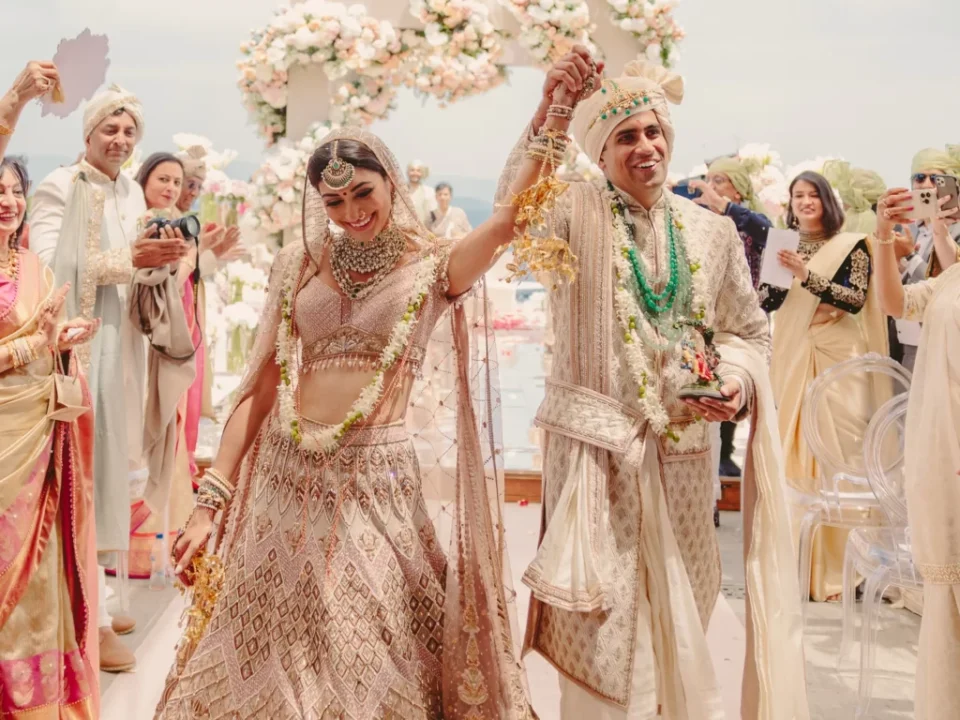
Families booking destination turban tying in Baga usually want the same three things: a fabric that suits the event, a fitting that actually fits, and a stylist who turns up on time. Safawala structures the whole service around exactly that.
Safawala’s destination turban tying for Baga is priced to cover the complete process — fabric, fitting, tying, delivery, and pickup — rather than itemised as a bare rental with tying charged as a separate add-on.
Visit Our Baga Studio
Out-of-town relatives coming in for a Baga wedding aren’t left out of the process — an initial fitting consultation can be done over video call, with the final adjustment made in person closer to the date.
On the Wedding Day
Most grooms only interact with the destination turban tying process twice — once at the fitting, once on the wedding morning. Everything in between, from fabric sourcing to quality checks, happens without the family needing to follow up.
What Makes Safawala Different
For Baga weddings with a tight schedule, Safawala’s team plans backward from the ceremony time, working out exactly when the stylist needs to arrive rather than treating tying as an afterthought.
Local Expertise in Baga
Weddings in Baga follow their own rhythm — certain weeks get booked out faster than others, certain venues have specific space constraints for the tying session. Safawala’s team plans around this local pattern rather than treating every Baga booking as an isolated, unfamiliar request.
Why Baga Families Trust Us
Safawala’s team treats every Baga booking — whether it’s a single groom’s safa or a full wedding party — with the same level of attention to fitting and tying, rather than reserving the careful process for larger orders only.
Areas We Cover Near Baga
Families planning a Baga wedding with guests travelling from Panaji or Calangute often ask about delivering a second or third safa to a different venue — Safawala coordinates this as part of the same booking.
What to Keep in Mind
During the busier wedding-season weekends in Baga, booking two to three weeks ahead rather than a few days out gives the stylist team enough room to schedule around multiple events on the same date.
Our Simple Booking Process
Safawala’s Baga bookings are confirmed once the fabric and fitting details are settled — after that, the family doesn’t need to follow up unless something specific changes closer to the date.
Whatever the scale of the Baga wedding, Safawala’s approach to destination turban tying doesn’t change — fitting first, fabric chosen for the occasion, and tying handled by someone who’s done it before.
Frequently Asked Questions About Destination Turban Tying in Baga
Do you provide services for both the groom and the bride's side of the family?
Yes — turban tying is offered for the groom's side and the bride's side alike, including fathers, brothers, and other close relatives attending the Baga wedding.
How early on the wedding morning does the stylist usually arrive?
This depends on the ceremony time and how many people need to be tied, but the stylist is generally scheduled with enough buffer to finish well before the baraat or main ceremony begins.
What's included in the price — just the safa, or the full service?
The price covers the full service: fabric, fitting, on-site tying, delivery, and pickup. It isn't priced as a bare rental with tying charged separately.
What if it's a same-week or last-minute booking?
Last-minute bookings can often still be accommodated, though the fitting and fabric options may be more limited. It's worth reaching out as early as possible even for urgent timelines.
Is there a minimum number of turbans required for a group booking?
No strict minimum — bookings range from a single groom's safa to a full wedding party. Group orders are simply coordinated as one booking rather than several separate ones.
What if two events on the same day need different turban styles?
This is planned for at the fitting stage — if a family needs a different style for, say, the haldi versus the main ceremony, that's factored into the booking rather than assumed to be one style throughout.
Can I request a specific stylist if I've worked with Safawala before?
This can usually be arranged, subject to availability on the wedding date — it's worth mentioning at the time of booking if there's a stylist the family has worked with previously.