
Last-minute bookings can often still be accommodated, though the fitting and fabric options may be more limited. It's worth reaching out as early as possible even for urgent timelines.
Premium Destination Wedding Safa Tying in Pushkar | Royal Wedding Safas
Get Pricing & Catalog on WhatsApp
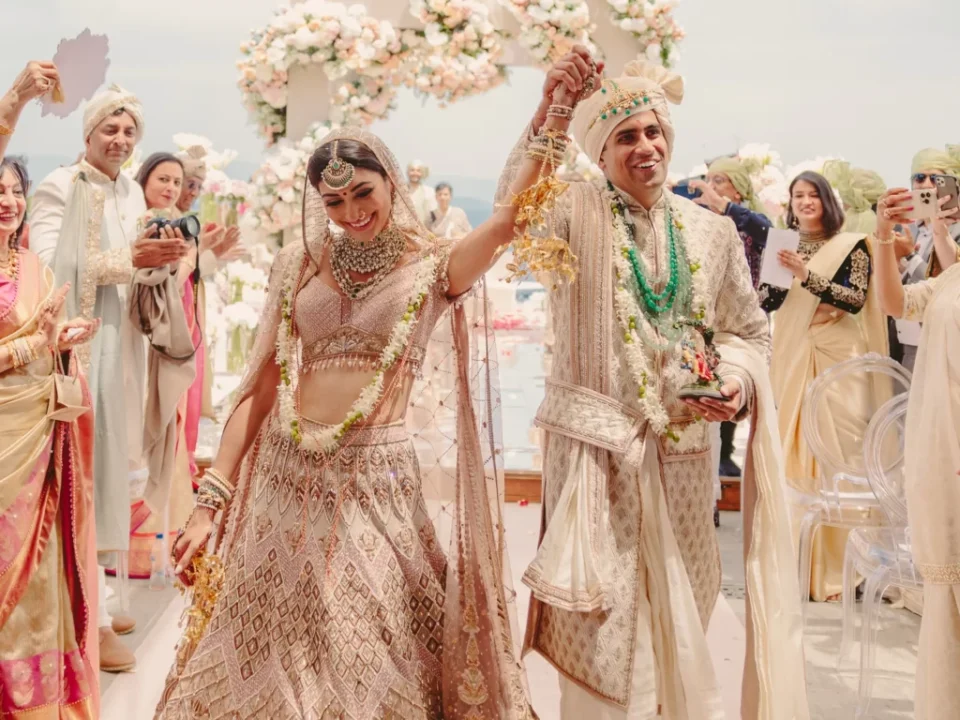
Ask most families planning a wedding in Pushkar and they’ll tell you the safa is one of the few things every guest actually looks at closely. That’s the standard Safawala holds destination safa tying to: sourced, fitted, and tied by one accountable team.
Safawala’s destination safa tying for Pushkar is priced to cover the complete process — fabric, fitting, tying, delivery, and pickup — rather than itemised as a bare rental with tying charged as a separate add-on.
Visit Our Pushkar Studio
Group orders for a Pushkar wedding — groom, father, brothers, close relatives — are handled as one coordinated booking rather than several separate rentals, which keeps pricing and delivery simpler for the family managing it.
On the Wedding Day
Safawala’s stylists for Pushkar weddings check the fit one more time on the morning of the event, even after a prior fitting, since minor adjustments are common closer to the actual date.
What Makes Safawala Different
What sets destination safa tying apart in Pushkar is less about the fabric catalogue and more about the fitting-and-tying process around it — most complaints about a rented safa trace back to a skipped fitting, not the fabric itself.
Local Expertise in Pushkar
Having worked enough Pushkar weddings, Safawala’s stylists have a reasonable sense of which fabrics tend to hold up best in the local weather and venue conditions during the wedding season, and they’ll flag this during the fitting rather than leaving the family to guess.
Why Pushkar Families Trust Us
Trust, for most Pushkar families, comes down to a stylist who actually shows up on time and a safa that looks like it was made for the groom wearing it — not a discount or a flashy catalogue. Safawala’s Pushkar bookings are built around meeting exactly that bar, order after order.
Areas We Cover Near Pushkar
Beyond Pushkar itself, the same Safawala team regularly handles destination safa tying for weddings in Udaipur, Jodhpur, and Ajmer, so a destination or multi-venue celebration isn’t a logistics problem.
What to Keep in Mind
Weather can affect fabric choice for outdoor Pushkar weddings — a heavier brocade behaves differently in humidity than a lighter cotton-silk blend, and Safawala’s stylists can advise on this at the fitting.
Our Simple Booking Process
Booking destination safa tying in Pushkar typically takes three steps: an initial WhatsApp conversation, a fitting appointment, and a confirmed delivery-and-tying slot for the wedding morning.
Safawala’s goal for every Pushkar booking is simple: a safa that looks like it was made for that specific groom, tied by someone who knows what they’re doing, delivered on time.
Frequently Asked Questions About Destination Safa Tying in Pushkar
Can the fitting be done without visiting a studio in Pushkar?
Yes. Many families complete the fitting over a WhatsApp video call, especially when they're travelling in from another city for the wedding. A final in-person adjustment can still be arranged closer to the date if needed.
What fabrics are typically used for destination safa tying in Pushkar?
Silk, brocade, and cotton-silk blends are the most common choices, selected based on the season, the outfit underneath, and whether the event is indoors or outdoors.
Can I request a specific stylist if I've worked with Safawala before?
This can usually be arranged, subject to availability on the wedding date — it's worth mentioning at the time of booking if there's a stylist the family has worked with previously.
How long does the actual tying take on the wedding morning?
Typically 20 to 30 minutes per person, depending on the style and how many people need to be tied. The stylist is scheduled with a buffer so this doesn't feel rushed against the ceremony time.
How far in advance should I book destination safa tying in Pushkar?
Two to three weeks ahead usually gives enough time for a proper fitting and any fabric adjustments. Bookings closer to the date can often still be accommodated, though the fitting window becomes tighter and there's less room to change fabric or style if something doesn't work on the first try.
Can I see the fabric in person before confirming the booking?
Yes, a studio visit can be arranged for families who'd prefer to see and feel the fabric directly, though most Pushkar bookings are completed over WhatsApp with photos and video calls instead.
Do you offer trial fittings before the actual wedding-week fitting?
A single proper fitting is usually enough, done about one to two weeks before the event. A second check happens on the wedding morning itself as a final adjustment rather than a full separate trial.