
Measurements can be taken over a video call using simple guidance, and a final adjustment is made when the stylist arrives for the in-person tying on the wedding day.
Akola Wedding Turban Tying Services | Professional Turban Styling & Safas
Get Pricing & Catalog on WhatsApp
For turban tying in Akola, Safawala starts from a simple premise — the piece should look like it was made for this specific groom, not handed over an hour before the ceremony. Fitting, fabric selection, and tying all sit with the same team.
Safawala’s turban tying for Akola is priced to cover the complete process — fabric, fitting, tying, delivery, and pickup — rather than itemised as a bare rental with tying charged as a separate add-on.
Visit Our Akola Studio
Safawala’s team for Akola weddings is used to juggling multiple functions in the same week — sangeet, haldi, and the main ceremony — and plans fabric and tying schedules around that instead of treating each function as a separate booking.
On the Wedding Day
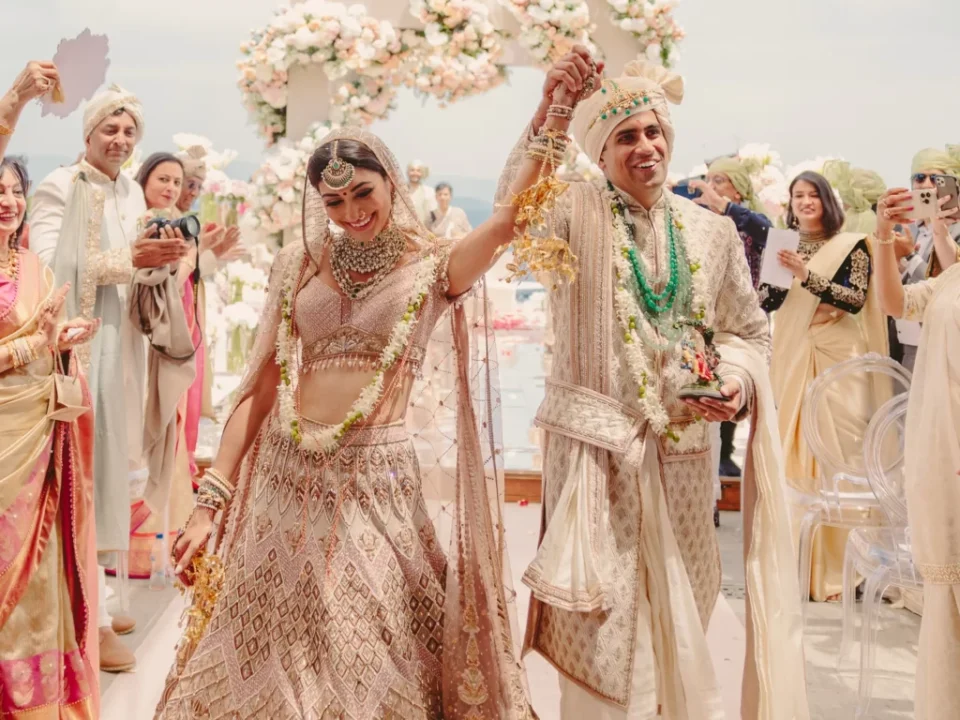
By the time the baraat leaves for a Akola wedding, the safa has usually been checked twice — once at the earlier fitting, once again by the stylist minutes before the groom steps out.
What Makes Safawala Different
Safawala’s Akola bookings don’t rely on guesswork for sizing — a proper fitting, done in person or over video call, replaces the standard-size assumption most rental services default to.
Local Expertise in Akola
Weddings in Akola follow their own rhythm — certain weeks get booked out faster than others, certain venues have specific space constraints for the tying session. Safawala’s team plans around this local pattern rather than treating every Akola booking as an isolated, unfamiliar request.
Why Akola Families Trust Us
What builds confidence for Akola families booking turban tying isn’t a sales pitch — it’s a fitting that’s taken seriously, a fabric conversation that isn’t rushed, and a stylist who’s clearly done this before. That combination tends to matter more than price alone.
Areas We Cover Near Akola
Destination elements to a Akola wedding — a function held in Pune or Aurangabad — are folded into the same booking rather than requiring a completely separate order.
What to Keep in Mind
Weather can affect fabric choice for outdoor Akola weddings — a heavier brocade behaves differently in humidity than a lighter cotton-silk blend, and Safawala’s stylists can advise on this at the fitting.
Our Simple Booking Process
For Akola families booking turban tying, the fastest path is usually a direct WhatsApp message with the wedding date and venue — catalogue options and fitting scheduling follow from there within a day or two.
For every Akola family, the process ends the same way it started — a stylist who shows up, a safa that fits, and one less thing to manage during an already busy wedding week.
Frequently Asked Questions About Turban Tying in Akola
What if the wedding venue changes after the booking is confirmed?
Just let the team know as soon as the new venue is confirmed — delivery and stylist scheduling are updated accordingly without affecting the rest of the booking.
How do I know what color or style suits the wedding outfit?
This is usually discussed at the fitting stage, where the stylist can see the outfit or photos of it and recommend a fabric and color that complements it rather than clashes.
What happens if the safa doesn't fit properly on the day?
The stylist checks the fit again on the wedding morning, even after an earlier fitting, since minor adjustments are common. Small sizing corrections are handled on the spot as part of the service.
Do you offer trial fittings before the actual wedding-week fitting?
A single proper fitting is usually enough, done about one to two weeks before the event. A second check happens on the wedding morning itself as a final adjustment rather than a full separate trial.
How early on the wedding morning does the stylist usually arrive?
This depends on the ceremony time and how many people need to be tied, but the stylist is generally scheduled with enough buffer to finish well before the baraat or main ceremony begins.
Is turban tying available for kids or teenagers in the wedding party?
Yes, sizing and styling can be adjusted for younger members of the wedding party — this is worth mentioning at the time of booking so the right sizes are prepared in advance.
Can the fabric or color be changed after the initial booking?
Yes, as long as it's raised before the final fitting. Fabric and color changes are easiest to accommodate when flagged at least a week or two before the event, rather than a few days out.