
This depends on the ceremony time and how many people need to be tied, but the stylist is generally scheduled with enough buffer to finish well before the baraat or main ceremony begins.
Ahmednagar Groom Wedding Safa | Professional Turban Styling & Safas
Get Pricing & Catalog on WhatsApp
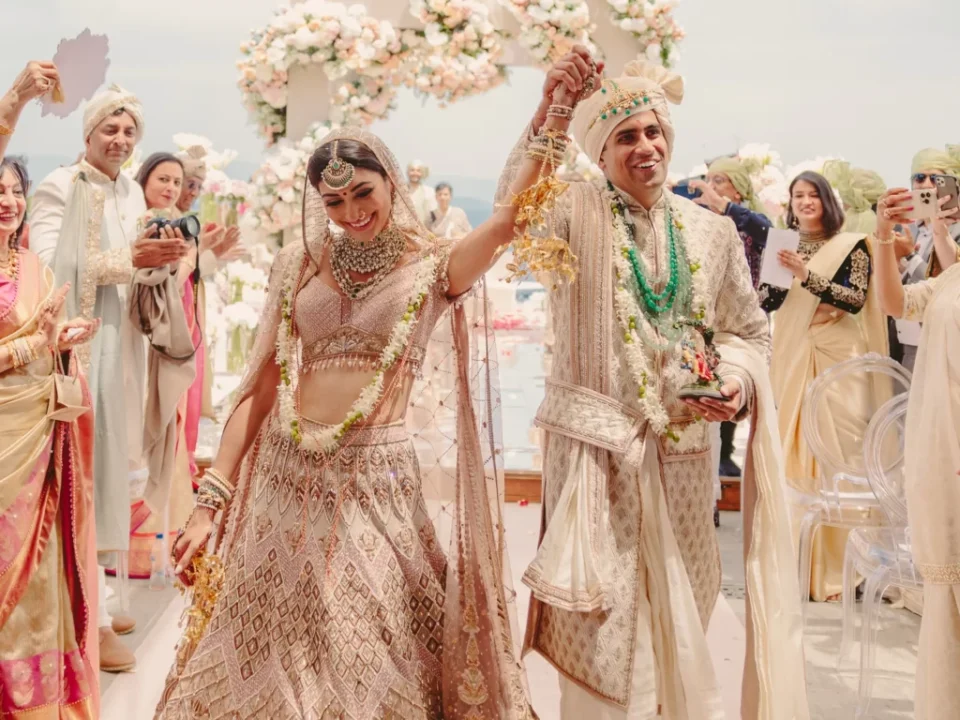
In a city like Ahmednagar — a city where the pagdi remains standard at Maharashtrian and Marwari weddings alike, tied fresh for every ceremony rather than bought off a shelf — the safa carries more expectation than an outsider might assume, and Safawala’s groom safa styling is built to meet that bar rather than settle for a generic off-the-rack option.
The Ahmednagar catalogue for groom safa styling includes options across silk, brocade, and cotton-silk blends, chosen based on the season, the venue, and what’s being worn underneath — a decision usually finalised together with the stylist at the fitting.
Visit Our Ahmednagar Studio
Booking groom safa styling for Ahmednagar usually starts with a short WhatsApp exchange — date, venue, and the kind of look the family has in mind. Catalogue options follow shortly after, tailored to what’s actually being planned.
On the Wedding Day
The tying itself takes longer than most people expect the first time they see it done properly — pleating, securing, and shaping the safa so it holds through a full day of photographs and dancing.
What Makes Safawala Different
Families who’ve dealt with a same-day rental counter before usually notice the difference immediately with Safawala’s Ahmednagar service — the fitting happens well ahead of time, not in a rush an hour before the ceremony.
Local Expertise in Ahmednagar
Local knowledge shows up in small ways — knowing which Ahmednagar venues have a quiet corner for a proper tying session, or how much time to budget for travel between a hotel and a wedding hall on a busy Saturday. Safawala’s stylists factor this in when scheduling Ahmednagar bookings.
Why Ahmednagar Families Trust Us
Referrals make up a meaningful share of Ahmednagar bookings, which says more about consistency than any single review could — families tend to recommend Safawala to relatives planning their own Ahmednagar wedding only after seeing the process hold up for their own event.
Areas We Cover Near Ahmednagar
Destination elements to a Ahmednagar wedding — a function held in Pune or Aurangabad — are folded into the same booking rather than requiring a completely separate order.
What to Keep in Mind
Timing the fitting a week or two before the event, rather than the day before, gives enough room to swap fabric or fix sizing without last-minute stress on the wedding morning in Ahmednagar.
Our Simple Booking Process
Safawala’s Ahmednagar bookings are confirmed once the fabric and fitting details are settled — after that, the family doesn’t need to follow up unless something specific changes closer to the date.
For Ahmednagar families booking groom safa styling, Safawala’s focus stays the same across every order: real craftsmanship, a proper fitting, and a stylist who shows up when promised.
Frequently Asked Questions About Groom Safa Styling in Ahmednagar
How do I get an approximate price for groom safa styling in Ahmednagar?
The quickest way is a WhatsApp message with the wedding date, venue, and roughly how many people need turbans — Safawala shares relevant catalogue options and pricing based on that.
How is payment structured for a Ahmednagar booking?
A small advance confirms the booking, with the remaining balance settled on delivery. This keeps the upfront commitment low until the family has actually seen and approved the piece.
Is there a minimum number of turbans required for a group booking?
No strict minimum — bookings range from a single groom's safa to a full wedding party. Group orders are simply coordinated as one booking rather than several separate ones.
Does the booking include the tying on the wedding day, or just the rental?
The tying is included as part of groom safa styling — a stylist is scheduled to arrive on the wedding morning with enough time to complete the draping before the ceremony. This isn't sold as a separate add-on; it's part of the standard booking.
How far in advance should I book groom safa styling in Ahmednagar?
Two to three weeks ahead usually gives enough time for a proper fitting and any fabric adjustments. Bookings closer to the date can often still be accommodated, though the fitting window becomes tighter and there's less room to change fabric or style if something doesn't work on the first try.
How long does the actual tying take on the wedding morning?
Typically 20 to 30 minutes per person, depending on the style and how many people need to be tied. The stylist is scheduled with a buffer so this doesn't feel rushed against the ceremony time.
Do you offer trial fittings before the actual wedding-week fitting?
A single proper fitting is usually enough, done about one to two weeks before the event. A second check happens on the wedding morning itself as a final adjustment rather than a full separate trial.