
Yes, sizing and styling can be adjusted for younger members of the wedding party — this is worth mentioning at the time of booking so the right sizes are prepared in advance.
Satara Wedding Safa on Rent | Traditional Handcrafted Wedding Turbans
Get Pricing & Catalog on WhatsApp
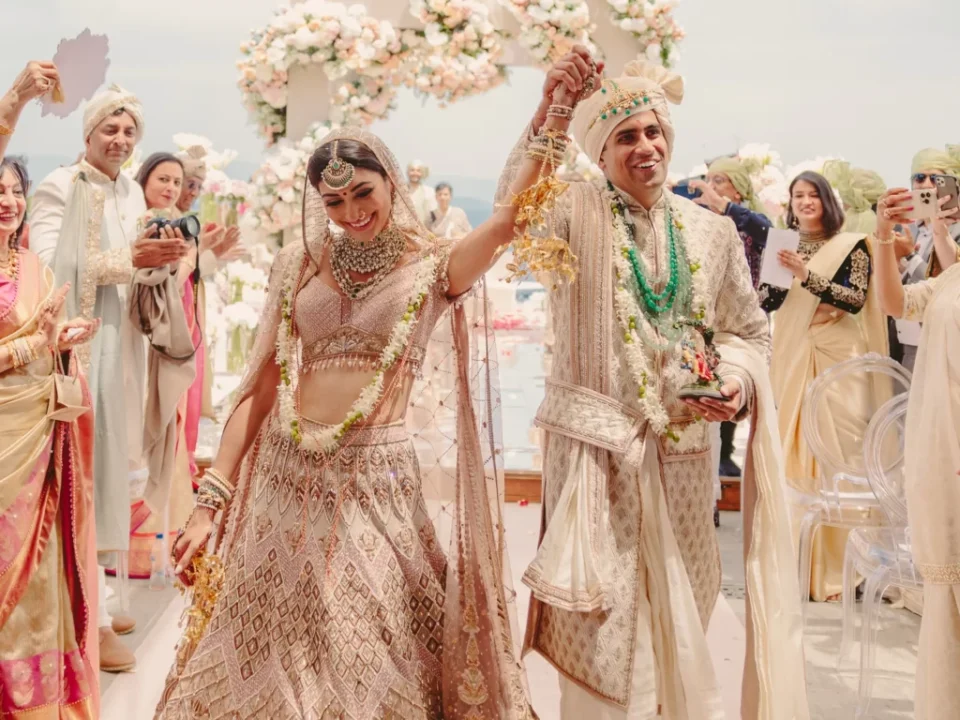
Satara is a city where the pagdi remains standard at Maharashtrian and Marwari weddings alike, tied fresh for every ceremony rather than bought off a shelf, and Safawala’s approach to safa rental here reflects that: a proper fitting, fabric chosen to suit the event, and a trained stylist who ties it on the day rather than leaving the groom to manage it himself.
safa rental bookings in Satara aren’t limited to a single fixed style — families can choose from a range of drapes and colors, with the final decision usually made at the fitting once the outfit and venue are confirmed.
Visit Our Satara Studio
Safawala’s Satara bookings are confirmed with a small advance, with the balance settled on delivery — a structure most families find easier to plan around than paying the full amount upfront for something they haven’t seen yet.
On the Wedding Day
By the time the baraat leaves for a Satara wedding, the safa has usually been checked twice — once at the earlier fitting, once again by the stylist minutes before the groom steps out.
What Makes Safawala Different
Every piece sent out for a Satara wedding is cleaned and inspected before delivery, and a fitting appointment ahead of the event catches sizing issues early, well before the morning when there’s no time left to fix them.
Local Expertise in Satara
Satara’s wedding season brings its own scheduling pressure, with multiple families often booking the same weekends. Safawala confirms stylist availability early for Satara bookings specifically because of this pattern, rather than assuming a slot will always be open closer to the date.
Why Satara Families Trust Us
Trust, for most Satara families, comes down to a stylist who actually shows up on time and a safa that looks like it was made for the groom wearing it — not a discount or a flashy catalogue. Safawala’s Satara bookings are built around meeting exactly that bar, order after order.
Areas We Cover Near Satara
Families planning a Satara wedding with guests travelling from Pune or Aurangabad often ask about delivering a second or third safa to a different venue — Safawala coordinates this as part of the same booking.
What to Keep in Mind
Weather can affect fabric choice for outdoor Satara weddings — a heavier brocade behaves differently in humidity than a lighter cotton-silk blend, and Safawala’s stylists can advise on this at the fitting.
Our Simple Booking Process
Safawala treats every Satara booking as a fixed commitment once confirmed — the same stylist assigned at the fitting stage is the one who shows up for the tying on the wedding morning.
Satara weddings deserve a safa that holds up through a full day of photographs — that’s the standard Safawala’s safa rental is built around, order after order.
Frequently Asked Questions About Safa Rental in Satara
How do I know what color or style suits the wedding outfit?
This is usually discussed at the fitting stage, where the stylist can see the outfit or photos of it and recommend a fabric and color that complements it rather than clashes.
Can I request a specific stylist if I've worked with Safawala before?
This can usually be arranged, subject to availability on the wedding date — it's worth mentioning at the time of booking if there's a stylist the family has worked with previously.
Are there different safa styles for different communities or regions?
Yes — styles vary by community and region, and Safawala's stylists working in Satara are familiar with the local preferences, whether that's a Rajputi drape, a Gujarati style, or a Marathi pagdi.
How do I get an approximate price for safa rental in Satara?
The quickest way is a WhatsApp message with the wedding date, venue, and roughly how many people need turbans — Safawala shares relevant catalogue options and pricing based on that.
Can the fitting be done without visiting a studio in Satara?
Yes. Many families complete the fitting over a WhatsApp video call, especially when they're travelling in from another city for the wedding. A final in-person adjustment can still be arranged closer to the date if needed.
Do you offer trial fittings before the actual wedding-week fitting?
A single proper fitting is usually enough, done about one to two weeks before the event. A second check happens on the wedding morning itself as a final adjustment rather than a full separate trial.
Do you provide services for both the groom and the bride's side of the family?
Yes — turban tying is offered for the groom's side and the bride's side alike, including fathers, brothers, and other close relatives attending the Satara wedding.