
Yes — styles vary by community and region, and Safawala's stylists working in Alibag are familiar with the local preferences, whether that's a Rajputi drape, a Gujarati style, or a Marathi pagdi.
Alibag Professional Wedding Turban Stylist | Traditional Handcrafted Wedding Turbans
Get Pricing & Catalog on WhatsApp
There’s a reason turban styling bookings in Alibag tend to start with a WhatsApp message rather than a showroom visit — Safawala handles the fitting, fabric, and tying as one continuous process, not three separate errands for the family to manage.
For larger Alibag weddings, turban styling can be scaled to cover the full wedding party in one coordinated order, keeping the look consistent across the groom, father, and close relatives rather than booked separately.
Visit Our Alibag Studio
A lot of Alibag bookings come from referrals — one family’s wedding photos leading to the next family’s inquiry. Safawala’s process stays the same regardless: fitting, fabric, tying, all handled by one team.
On the Wedding Day
On the wedding morning in Alibag, the stylist arrives with enough time to finish the tying and any last adjustments well before the baraat is due to leave, so there’s no rush built into the schedule.
What Makes Safawala Different
The stylists assigned to Alibag weddings are the same people doing the fitting earlier in the process, so there’s no handoff between whoever measured the groom and whoever ties the safa on the day.
Local Expertise in Alibag
Weddings in Alibag follow their own rhythm — certain weeks get booked out faster than others, certain venues have specific space constraints for the tying session. Safawala’s team plans around this local pattern rather than treating every Alibag booking as an isolated, unfamiliar request.
Why Alibag Families Trust Us
Safawala’s team treats every Alibag booking — whether it’s a single groom’s safa or a full wedding party — with the same level of attention to fitting and tying, rather than reserving the careful process for larger orders only.
Areas We Cover Near Alibag
For families splitting their wedding functions between Alibag and Pune, Safawala works out delivery timing and stylist availability for both locations in advance, rather than treating the second venue as an afterthought.
What to Keep in Mind
During the busier wedding-season weekends in Alibag, booking two to three weeks ahead rather than a few days out gives the stylist team enough room to schedule around multiple events on the same date.
Our Simple Booking Process
Safawala treats every Alibag booking as a fixed commitment once confirmed — the same stylist assigned at the fitting stage is the one who shows up for the tying on the wedding morning.
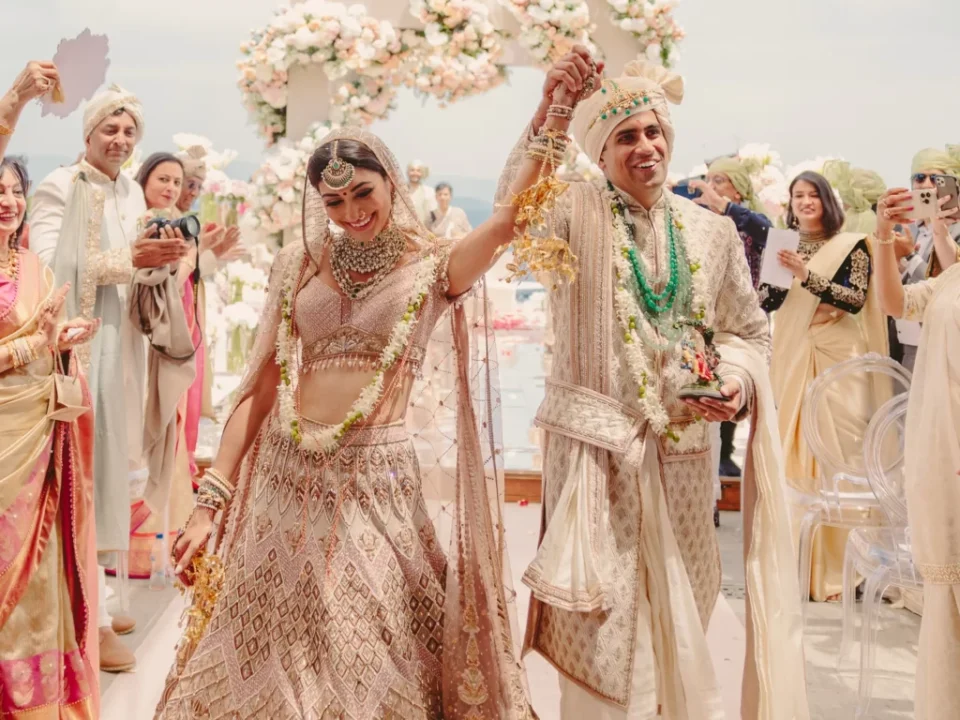
Whether it’s one groom or a full wedding party, Safawala’s turban styling in Alibag is handled the same way: proper fitting, considered fabric choice, and a stylist present on the day.
Frequently Asked Questions About Turban Styling in Alibag
Do you provide services for both the groom and the bride's side of the family?
Yes — turban tying is offered for the groom's side and the bride's side alike, including fathers, brothers, and other close relatives attending the Alibag wedding.
How is payment structured for a Alibag booking?
A small advance confirms the booking, with the remaining balance settled on delivery. This keeps the upfront commitment low until the family has actually seen and approved the piece.
What if I'm not sure exactly what style I want yet?
That's normal — most families finalise the exact style at the fitting stage after seeing a few fabric and drape options in person or over video call, rather than deciding everything upfront.
How do I get an approximate price for turban styling in Alibag?
The quickest way is a WhatsApp message with the wedding date, venue, and roughly how many people need turbans — Safawala shares relevant catalogue options and pricing based on that.
How far in advance should I book turban styling in Alibag?
Two to three weeks ahead usually gives enough time for a proper fitting and any fabric adjustments. Bookings closer to the date can often still be accommodated, though the fitting window becomes tighter and there's less room to change fabric or style if something doesn't work on the first try.
What if two events on the same day need different turban styles?
This is planned for at the fitting stage — if a family needs a different style for, say, the haldi versus the main ceremony, that's factored into the booking rather than assumed to be one style throughout.
What if the wedding has multiple functions on different dates?
Fittings and tying sessions are scheduled separately for each function rather than assuming one tie holds across multiple events, since outfits and settings often differ between the sangeet, haldi, and main ceremony.