
This is possible but needs to be flagged in advance so the stylist's schedule accounts for it — arriving without notice on a packed wedding morning makes it harder to guarantee a slot.
Nashik Destination Wedding Safa Tying | Professional Turban Styling & Safas
Get Pricing & Catalog on WhatsApp
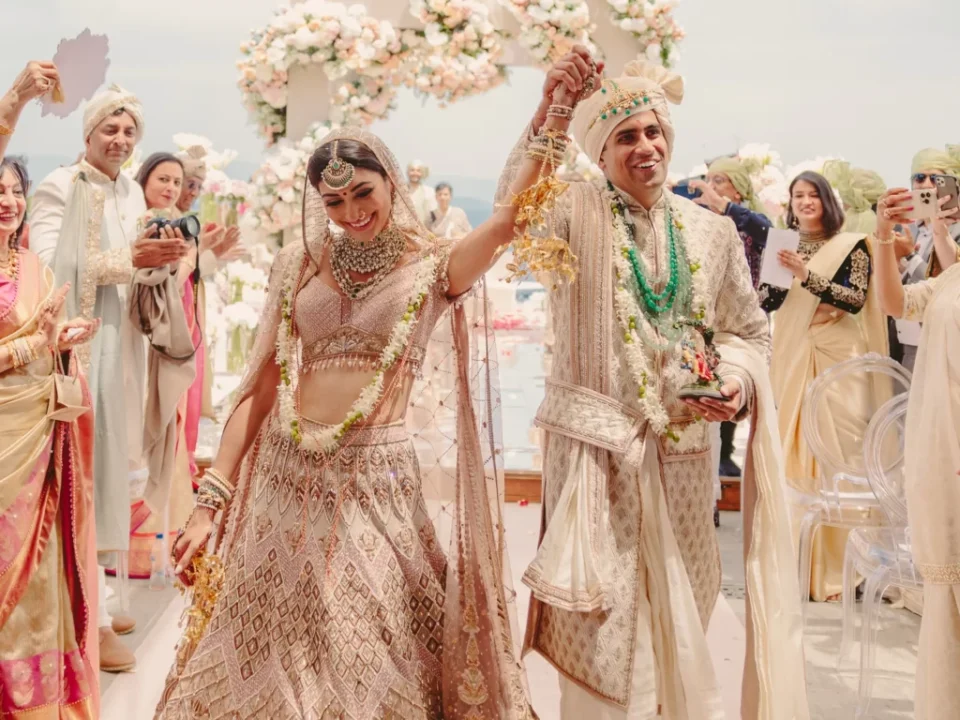
Nashik sits at the center of a city where the pagdi remains standard at Maharashtrian and Marwari weddings alike, tied fresh for every ceremony rather than bought off a shelf, and Safawala’s destination safa tying is designed around that context — practical for the busy families planning the event, without cutting corners on how the piece is fitted or tied.
Safawala’s destination safa tying for Nashik is priced to cover the complete process — fabric, fitting, tying, delivery, and pickup — rather than itemised as a bare rental with tying charged as a separate add-on.
Visit Our Nashik Studio
Safawala’s stylists working Nashik weddings carry spare pins, extra fabric, and adjustment tools to every fitting, since sizing can shift slightly between the fitting date and the actual wedding morning.
On the Wedding Day
For Nashik bookings with multiple people needing turbans on the same morning — groom, father, brothers — the stylist works through the group in a set order agreed in advance, so no one is left waiting until the last minute.
What Makes Safawala Different
The stylists assigned to Nashik weddings are the same people doing the fitting earlier in the process, so there’s no handoff between whoever measured the groom and whoever ties the safa on the day.
Local Expertise in Nashik
Safawala’s stylists working Nashik have tied safas across the kind of venues common here — banquet halls, farmhouses, and hotel lawns alike — so the fabric and drape recommendations account for the setting, not just the outfit. That local familiarity tends to matter more than families expect until they compare it against a generic, one-size rental.
Why Nashik Families Trust Us
Safawala’s team treats every Nashik booking — whether it’s a single groom’s safa or a full wedding party — with the same level of attention to fitting and tying, rather than reserving the careful process for larger orders only.
Areas We Cover Near Nashik
Nashik isn’t treated as an isolated booking — Safawala’s stylists also cover Pune and Aurangabad regularly, so multi-city wedding schedules are planned for rather than handled as exceptions.
What to Keep in Mind
Confirming the exact ceremony time in Nashik, rather than an approximate slot, helps the stylist plan arrival with enough buffer for a calm, unhurried tying session.
Our Simple Booking Process
The Nashik booking process is designed to need minimal back-and-forth — one conversation to confirm details, one fitting, and one delivery, with the stylist handling everything else.
For families planning destination safa tying in Nashik, the reassurance Safawala offers isn’t a discount or a rushed turnaround — it’s a fitting that actually fits and a stylist who turns up.
Frequently Asked Questions About Destination Safa Tying in Nashik
Can I see the fabric in person before confirming the booking?
Yes, a studio visit can be arranged for families who'd prefer to see and feel the fabric directly, though most Nashik bookings are completed over WhatsApp with photos and video calls instead.
Is there a minimum number of turbans required for a group booking?
No strict minimum — bookings range from a single groom's safa to a full wedding party. Group orders are simply coordinated as one booking rather than several separate ones.
Do you offer trial fittings before the actual wedding-week fitting?
A single proper fitting is usually enough, done about one to two weeks before the event. A second check happens on the wedding morning itself as a final adjustment rather than a full separate trial.
How far in advance should I book destination safa tying in Nashik?
Two to three weeks ahead usually gives enough time for a proper fitting and any fabric adjustments. Bookings closer to the date can often still be accommodated, though the fitting window becomes tighter and there's less room to change fabric or style if something doesn't work on the first try.
How do you handle sizing for someone who can't attend a fitting in person?
Measurements can be taken over a video call using simple guidance, and a final adjustment is made when the stylist arrives for the in-person tying on the wedding day.
What happens to the safa after the wedding — do I need to return it in a specific condition?
Pickup is arranged after the event, and the piece is simply returned as worn — Safawala handles cleaning afterward. There's no special preparation needed from the family.
Can the fabric or color be changed after the initial booking?
Yes, as long as it's raised before the final fitting. Fabric and color changes are easiest to accommodate when flagged at least a week or two before the event, rather than a few days out.