
Yes — turban tying is offered for the groom's side and the bride's side alike, including fathers, brothers, and other close relatives attending the Nagpur wedding.
Premium Wedding Safa Tying Services in Nagpur | Royal Wedding Safas
Get Pricing & Catalog on WhatsApp
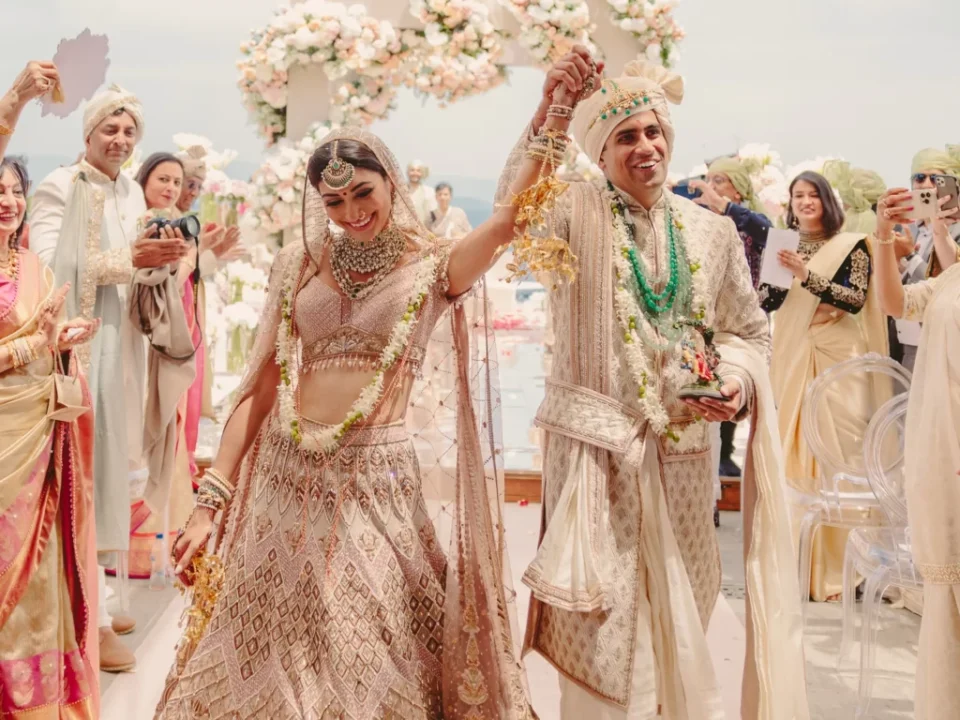
Nagpur is a city where the pagdi remains standard at Maharashtrian and Marwari weddings alike, tied fresh for every ceremony rather than bought off a shelf, and Safawala’s approach to safa tying here reflects that: a proper fitting, fabric chosen to suit the event, and a trained stylist who ties it on the day rather than leaving the groom to manage it himself.
The Nagpur catalogue for safa tying includes options across silk, brocade, and cotton-silk blends, chosen based on the season, the venue, and what’s being worn underneath — a decision usually finalised together with the stylist at the fitting.
Visit Our Nagpur Studio
Most Nagpur families book two to three weeks ahead of the wedding date, which gives enough time for a proper fitting and any fabric changes without the stress of a last-minute order.
On the Wedding Day
Safawala’s stylists for Nagpur weddings check the fit one more time on the morning of the event, even after a prior fitting, since minor adjustments are common closer to the actual date.
What Makes Safawala Different
What tends to matter most to Nagpur families is the combination of flexibility and reliability — group bookings are handled as one coordinated order, so the whole wedding party looks consistent instead of mismatched in photographs.
Local Expertise in Nagpur
Local knowledge shows up in small ways — knowing which Nagpur venues have a quiet corner for a proper tying session, or how much time to budget for travel between a hotel and a wedding hall on a busy Saturday. Safawala’s stylists factor this in when scheduling Nagpur bookings.
Why Nagpur Families Trust Us
Referrals make up a meaningful share of Nagpur bookings, which says more about consistency than any single review could — families tend to recommend Safawala to relatives planning their own Nagpur wedding only after seeing the process hold up for their own event.
Areas We Cover Near Nagpur
Beyond Nagpur itself, the same Safawala team regularly handles safa tying for weddings in Pune, Aurangabad, and Nashik, so a destination or multi-venue celebration isn’t a logistics problem.
What to Keep in Mind
For families new to renting rather than buying a safa, it’s worth asking about the exact pickup timing after the Nagpur event — this is usually arranged in advance so nothing is left for the family to organise once the wedding is over.
Our Simple Booking Process
Once a Nagpur booking is confirmed, Safawala handles fabric sourcing and quality checks without needing further input from the family, unless a specific change is requested.
For families planning safa tying in Nagpur, the reassurance Safawala offers isn’t a discount or a rushed turnaround — it’s a fitting that actually fits and a stylist who turns up.
Frequently Asked Questions About Safa Tying in Nagpur
Can out-of-town relatives get a turban tied if they're only arriving the morning of the wedding?
This is possible but needs to be flagged in advance so the stylist's schedule accounts for it — arriving without notice on a packed wedding morning makes it harder to guarantee a slot.
What if the wedding venue changes after the booking is confirmed?
Just let the team know as soon as the new venue is confirmed — delivery and stylist scheduling are updated accordingly without affecting the rest of the booking.
What's the difference between a safa and a turban in terms of tying style?
The core difference is regional and stylistic — a safa is generally more structured with pleats, while turban styles vary more by state and occasion. Safawala's stylists can recommend a style suited to the family's specific background and the wedding's setting.
Is turban tying available for kids or teenagers in the wedding party?
Yes, sizing and styling can be adjusted for younger members of the wedding party — this is worth mentioning at the time of booking so the right sizes are prepared in advance.
Does the booking include the tying on the wedding day, or just the rental?
The tying is included as part of safa tying — a stylist is scheduled to arrive on the wedding morning with enough time to complete the draping before the ceremony. This isn't sold as a separate add-on; it's part of the standard booking.
What if I'm not sure exactly what style I want yet?
That's normal — most families finalise the exact style at the fitting stage after seeing a few fabric and drape options in person or over video call, rather than deciding everything upfront.
How do I know what color or style suits the wedding outfit?
This is usually discussed at the fitting stage, where the stylist can see the outfit or photos of it and recommend a fabric and color that complements it rather than clashes.