
Measurements can be taken over a video call using simple guidance, and a final adjustment is made when the stylist arrives for the in-person tying on the wedding day.
Ranthambore Groom Wedding Turban | Traditional Handcrafted Wedding Turbans
Get Pricing & Catalog on WhatsApp
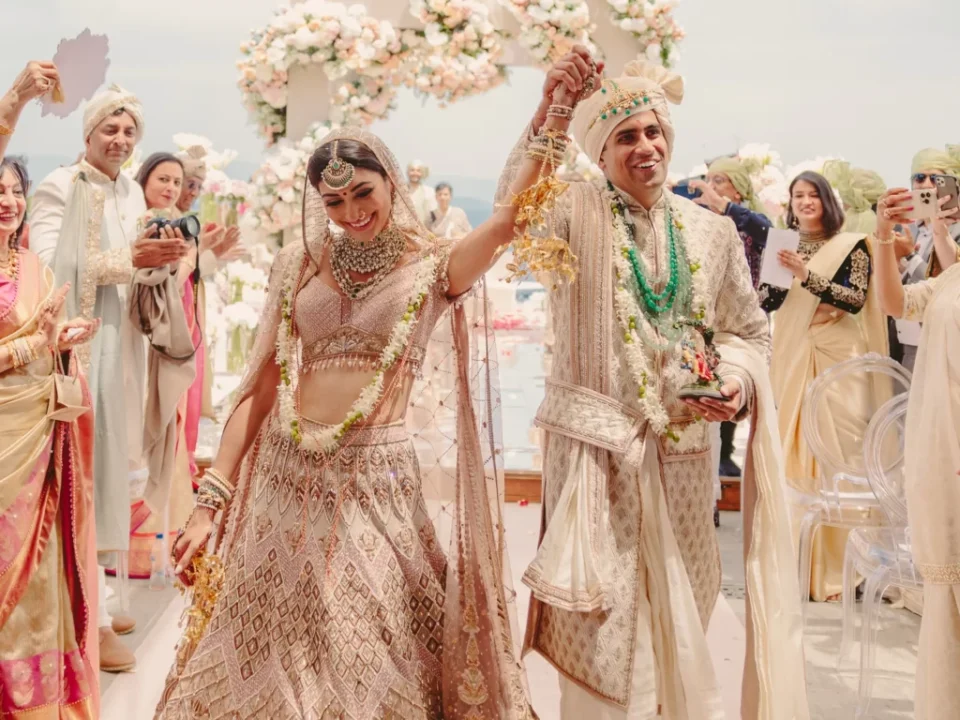
Ranthambore is a heritage town where destination weddings at forts and havelis have made the safa as much a part of the setting as the venue itself, and Safawala’s approach to groom turban styling here reflects that: a proper fitting, fabric chosen to suit the event, and a trained stylist who ties it on the day rather than leaving the groom to manage it himself.
groom turban styling through Safawala in Ranthambore covers the full range from classic, traditional drapes to more contemporary, minimal styles — priced for both single-day rentals and multi-function packages that stretch across the sangeet, haldi, and main ceremony.
Visit Our Ranthambore Studio
Group orders for a Ranthambore wedding — groom, father, brothers, close relatives — are handled as one coordinated booking rather than several separate rentals, which keeps pricing and delivery simpler for the family managing it.
On the Wedding Day
On the wedding morning in Ranthambore, the stylist arrives with enough time to finish the tying and any last adjustments well before the baraat is due to leave, so there’s no rush built into the schedule.
What Makes Safawala Different
Unlike a standard rental counter, groom turban styling through Safawala in Ranthambore includes the tying itself as part of the service, not an extra the family has to arrange separately on the wedding morning.
Local Expertise in Ranthambore
Weddings in Ranthambore follow their own rhythm — certain weeks get booked out faster than others, certain venues have specific space constraints for the tying session. Safawala’s team plans around this local pattern rather than treating every Ranthambore booking as an isolated, unfamiliar request.
Why Ranthambore Families Trust Us
Consistency is what most Ranthambore families end up valuing most in hindsight: the same standard of fitting, fabric, and tying applied whether it’s a modest family function or a large multi-day wedding.
Areas We Cover Near Ranthambore
Beyond Ranthambore itself, the same Safawala team regularly handles groom turban styling for weddings in Udaipur, Jodhpur, and Ajmer, so a destination or multi-venue celebration isn’t a logistics problem.
What to Keep in Mind
A small deposit confirms most Ranthambore bookings, with the balance settled on delivery — worth confirming this structure at the time of booking so there are no surprises closer to the date.
Our Simple Booking Process
The process for Ranthambore usually starts with a WhatsApp message — date, venue, and what kind of groom turban styling is needed. From there, Safawala shares catalogue options, schedules a fitting, and confirms delivery for the morning of the ceremony.
Whatever the scale of the Ranthambore wedding, Safawala’s approach to groom turban styling doesn’t change — fitting first, fabric chosen for the occasion, and tying handled by someone who’s done it before.
Frequently Asked Questions About Groom Turban Styling in Ranthambore
Can I request a specific stylist if I've worked with Safawala before?
This can usually be arranged, subject to availability on the wedding date — it's worth mentioning at the time of booking if there's a stylist the family has worked with previously.
What's included in the price — just the safa, or the full service?
The price covers the full service: fabric, fitting, on-site tying, delivery, and pickup. It isn't priced as a bare rental with tying charged separately.
Is turban tying available for kids or teenagers in the wedding party?
Yes, sizing and styling can be adjusted for younger members of the wedding party — this is worth mentioning at the time of booking so the right sizes are prepared in advance.
What fabrics are typically used for groom turban styling in Ranthambore?
Silk, brocade, and cotton-silk blends are the most common choices, selected based on the season, the outfit underneath, and whether the event is indoors or outdoors.
Is on-site tying available at the wedding venue itself, or only at a studio?
On-site tying at the wedding venue is the standard arrangement for groom turban styling — the stylist travels to the venue on the morning of the event rather than requiring the groom to visit a studio.
Is there a minimum number of turbans required for a group booking?
No strict minimum — bookings range from a single groom's safa to a full wedding party. Group orders are simply coordinated as one booking rather than several separate ones.
Can the fabric or color be changed after the initial booking?
Yes, as long as it's raised before the final fitting. Fabric and color changes are easiest to accommodate when flagged at least a week or two before the event, rather than a few days out.