
Fittings and tying sessions are scheduled separately for each function rather than assuming one tie holds across multiple events, since outfits and settings often differ between the sangeet, haldi, and main ceremony.
Premium Destination Wedding Turban Tying in Ranakpur | Royal Wedding Safas
Get Pricing & Catalog on WhatsApp
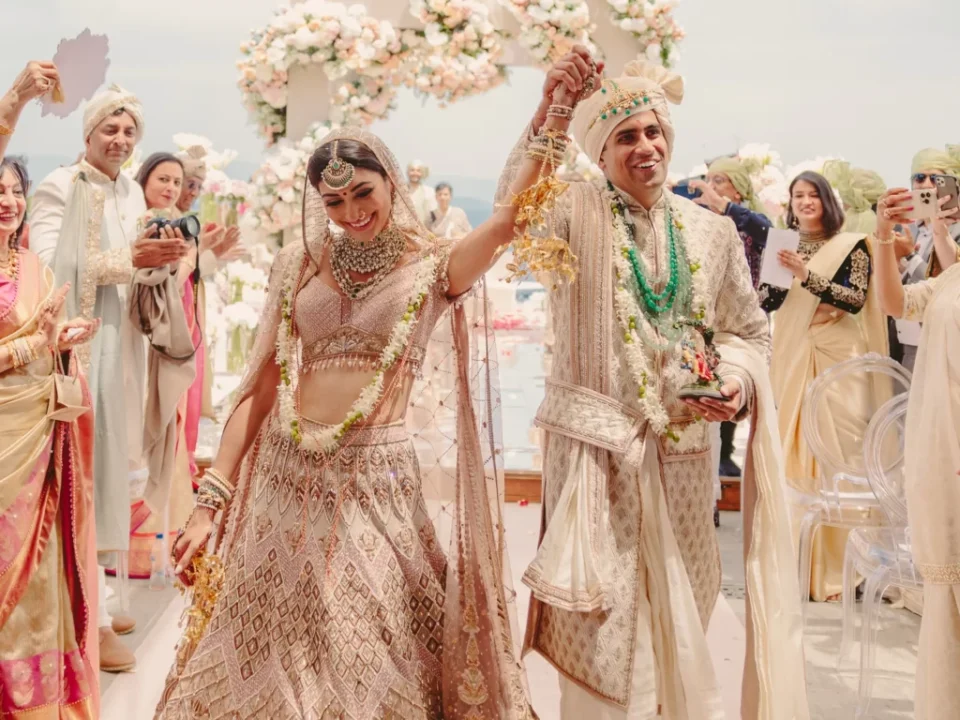
Safawala runs destination turban tying in Ranakpur the way a tailor runs a suit order — fitting first, fabric decided around the occasion, and the final tying done in person rather than assumed the groom can manage alone.
The Ranakpur catalogue for destination turban tying includes options across silk, brocade, and cotton-silk blends, chosen based on the season, the venue, and what’s being worn underneath — a decision usually finalised together with the stylist at the fitting.
Visit Our Ranakpur Studio
Out-of-town relatives coming in for a Ranakpur wedding aren’t left out of the process — an initial fitting consultation can be done over video call, with the final adjustment made in person closer to the date.
On the Wedding Day
Safawala’s stylists for Ranakpur weddings check the fit one more time on the morning of the event, even after a prior fitting, since minor adjustments are common closer to the actual date.
What Makes Safawala Different
Every piece sent out for a Ranakpur wedding is cleaned and inspected before delivery, and a fitting appointment ahead of the event catches sizing issues early, well before the morning when there’s no time left to fix them.
Local Expertise in Ranakpur
Local knowledge shows up in small ways — knowing which Ranakpur venues have a quiet corner for a proper tying session, or how much time to budget for travel between a hotel and a wedding hall on a busy Saturday. Safawala’s stylists factor this in when scheduling Ranakpur bookings.
Why Ranakpur Families Trust Us
Trust, for most Ranakpur families, comes down to a stylist who actually shows up on time and a safa that looks like it was made for the groom wearing it — not a discount or a flashy catalogue. Safawala’s Ranakpur bookings are built around meeting exactly that bar, order after order.
Areas We Cover Near Ranakpur
For families splitting their wedding functions between Ranakpur and Udaipur, Safawala works out delivery timing and stylist availability for both locations in advance, rather than treating the second venue as an afterthought.
What to Keep in Mind
During the busier wedding-season weekends in Ranakpur, booking two to three weeks ahead rather than a few days out gives the stylist team enough room to schedule around multiple events on the same date.
Our Simple Booking Process
The process for Ranakpur usually starts with a WhatsApp message — date, venue, and what kind of destination turban tying is needed. From there, Safawala shares catalogue options, schedules a fitting, and confirms delivery for the morning of the ceremony.
Safawala’s goal for every Ranakpur booking is simple: a safa that looks like it was made for that specific groom, tied by someone who knows what they’re doing, delivered on time.
Frequently Asked Questions About Destination Turban Tying in Ranakpur
What happens if the safa doesn't fit properly on the day?
The stylist checks the fit again on the wedding morning, even after an earlier fitting, since minor adjustments are common. Small sizing corrections are handled on the spot as part of the service.
Are there different safa styles for different communities or regions?
Yes — styles vary by community and region, and Safawala's stylists working in Ranakpur are familiar with the local preferences, whether that's a Rajputi drape, a Gujarati style, or a Marathi pagdi.
Can the fitting be done without visiting a studio in Ranakpur?
Yes. Many families complete the fitting over a WhatsApp video call, especially when they're travelling in from another city for the wedding. A final in-person adjustment can still be arranged closer to the date if needed.
Do you cover destination weddings outside Ranakpur?
Yes, destination and multi-venue weddings are handled as part of the same booking — delivery timing and stylist availability are worked out in advance so travel isn't left as an afterthought.
How do you handle sizing for someone who can't attend a fitting in person?
Measurements can be taken over a video call using simple guidance, and a final adjustment is made when the stylist arrives for the in-person tying on the wedding day.
Is delivery and pickup included for Ranakpur weddings?
Yes — delivery ahead of the event and pickup afterward are both arranged as part of the booking, so there's nothing extra for the family to organise once the wedding is over.
What's the difference between a safa and a turban in terms of tying style?
The core difference is regional and stylistic — a safa is generally more structured with pleats, while turban styles vary more by state and occasion. Safawala's stylists can recommend a style suited to the family's specific background and the wedding's setting.