
Pickup is arranged after the event, and the piece is simply returned as worn — Safawala handles cleaning afterward. There's no special preparation needed from the family.
Premium Professional Wedding Turban Stylist in Pali | Royal Wedding Safas
Get Pricing & Catalog on WhatsApp
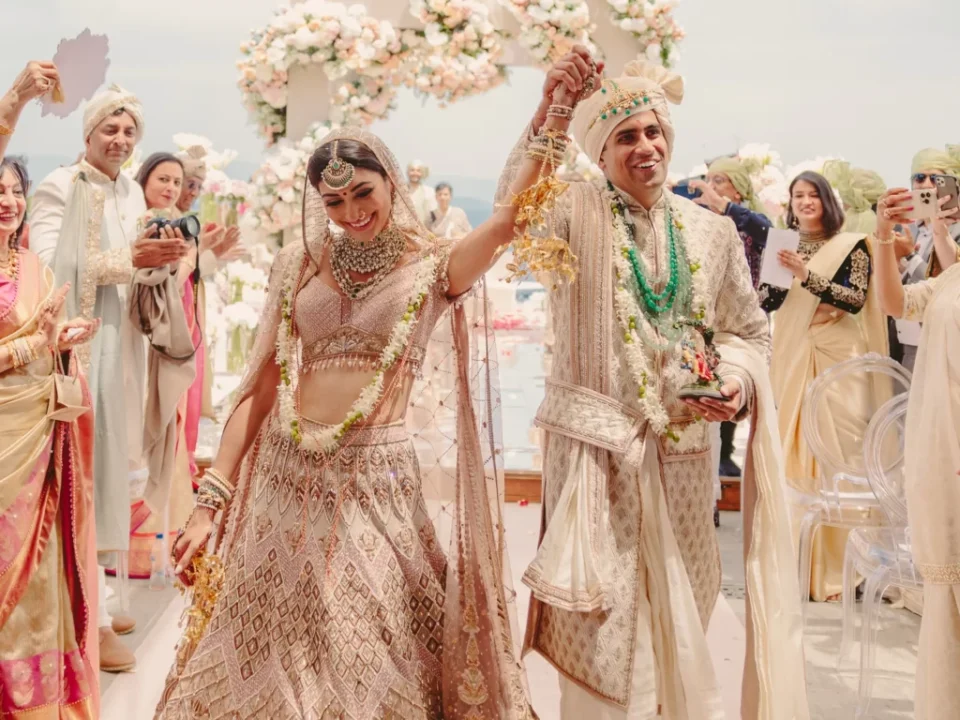
Pali sits at the center of a city where the safa is still tied the way it was in the Rajput courts — a mark of status worn at every durbar and wedding procession, and Safawala’s turban styling is designed around that context — practical for the busy families planning the event, without cutting corners on how the piece is fitted or tied.
turban styling through Safawala in Pali covers the full range from classic, traditional drapes to more contemporary, minimal styles — priced for both single-day rentals and multi-function packages that stretch across the sangeet, haldi, and main ceremony.
Visit Our Pali Studio
Group orders for a Pali wedding — groom, father, brothers, close relatives — are handled as one coordinated booking rather than several separate rentals, which keeps pricing and delivery simpler for the family managing it.
On the Wedding Day
Once the safa is tied on the wedding morning in Pali, it’s built to hold through the full event — the ceremony, the photographs, and the reception — without needing to be re-tied partway through.
What Makes Safawala Different
Safawala keeps a record of what worked for past Pali bookings — fabric choices, sizing notes — which comes in useful for families booking multiple functions or repeat events in the same year.
Local Expertise in Pali
Weddings in Pali follow their own rhythm — certain weeks get booked out faster than others, certain venues have specific space constraints for the tying session. Safawala’s team plans around this local pattern rather than treating every Pali booking as an isolated, unfamiliar request.
Why Pali Families Trust Us
What builds confidence for Pali families booking turban styling isn’t a sales pitch — it’s a fitting that’s taken seriously, a fabric conversation that isn’t rushed, and a stylist who’s clearly done this before. That combination tends to matter more than price alone.
Areas We Cover Near Pali
Pali isn’t treated as an isolated booking — Safawala’s stylists also cover Ajmer and Pushkar regularly, so multi-city wedding schedules are planned for rather than handled as exceptions.
What to Keep in Mind
An early fitting also gives the stylist a clearer picture of exactly how the piece needs to sit, which tends to make the actual tying faster and more precise on the day itself.
Our Simple Booking Process
Once a Pali booking is confirmed, Safawala handles fabric sourcing and quality checks without needing further input from the family, unless a specific change is requested.
Safawala’s goal for every Pali booking is simple: a safa that looks like it was made for that specific groom, tied by someone who knows what they’re doing, delivered on time.
Frequently Asked Questions About Turban Styling in Pali
Can I request a specific stylist if I've worked with Safawala before?
This can usually be arranged, subject to availability on the wedding date — it's worth mentioning at the time of booking if there's a stylist the family has worked with previously.
What if two events on the same day need different turban styles?
This is planned for at the fitting stage — if a family needs a different style for, say, the haldi versus the main ceremony, that's factored into the booking rather than assumed to be one style throughout.
How far in advance should I book turban styling in Pali?
Two to three weeks ahead usually gives enough time for a proper fitting and any fabric adjustments. Bookings closer to the date can often still be accommodated, though the fitting window becomes tighter and there's less room to change fabric or style if something doesn't work on the first try.
Can out-of-town relatives get a turban tied if they're only arriving the morning of the wedding?
This is possible but needs to be flagged in advance so the stylist's schedule accounts for it — arriving without notice on a packed wedding morning makes it harder to guarantee a slot.
Is turban tying available for kids or teenagers in the wedding party?
Yes, sizing and styling can be adjusted for younger members of the wedding party — this is worth mentioning at the time of booking so the right sizes are prepared in advance.
Is there a minimum number of turbans required for a group booking?
No strict minimum — bookings range from a single groom's safa to a full wedding party. Group orders are simply coordinated as one booking rather than several separate ones.
Do you offer trial fittings before the actual wedding-week fitting?
A single proper fitting is usually enough, done about one to two weeks before the event. A second check happens on the wedding morning itself as a final adjustment rather than a full separate trial.