
A small advance confirms the booking, with the remaining balance settled on delivery. This keeps the upfront commitment low until the family has actually seen and approved the piece.
Premium Groom Wedding Safa in Pushkar | Royal Wedding Safas
Get Pricing & Catalog on WhatsApp
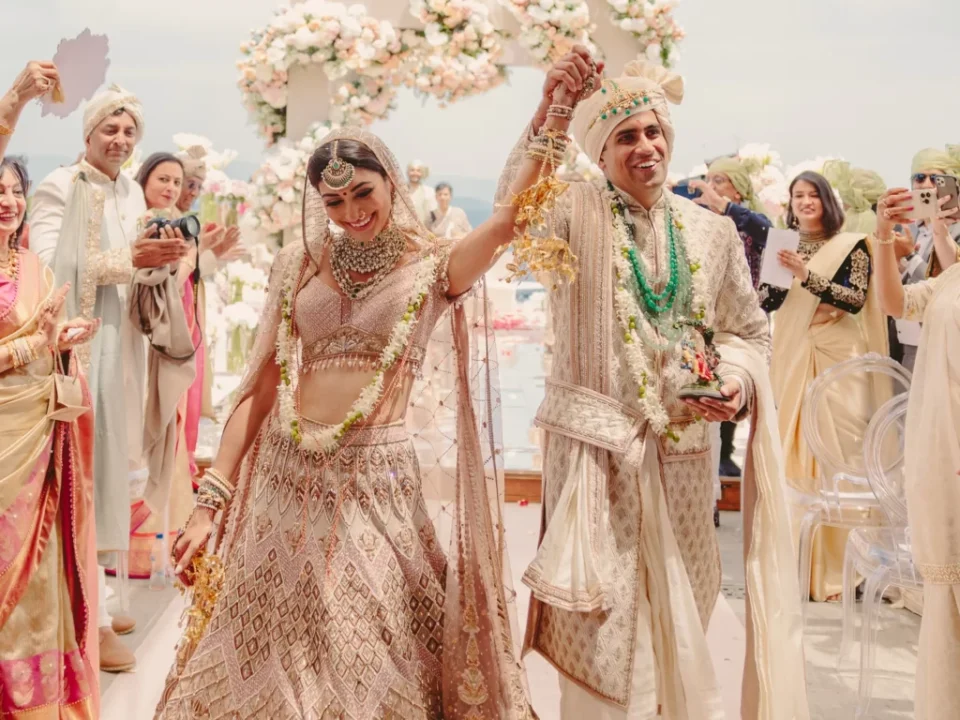
Safawala runs groom safa styling in Pushkar the way a tailor runs a suit order — fitting first, fabric decided around the occasion, and the final tying done in person rather than assumed the groom can manage alone.
For larger Pushkar weddings, groom safa styling can be scaled to cover the full wedding party in one coordinated order, keeping the look consistent across the groom, father, and close relatives rather than booked separately.
Visit Our Pushkar Studio
Families who’d rather see the fabric before committing are welcome to visit Safawala’s studio and discuss options for their Pushkar booking directly. Most families, though, complete the whole process over WhatsApp and meet the stylist only at the fitting.
On the Wedding Day
Most grooms only interact with the groom safa styling process twice — once at the fitting, once on the wedding morning. Everything in between, from fabric sourcing to quality checks, happens without the family needing to follow up.
What Makes Safawala Different
Safawala’s approach to groom safa styling in Pushkar treats the groom’s comfort as seriously as the look — a safa that’s tied too tight or poorly balanced becomes obvious in photographs by the end of a long day.
Local Expertise in Pushkar
Safawala’s stylists working Pushkar have tied safas across the kind of venues common here — banquet halls, farmhouses, and hotel lawns alike — so the fabric and drape recommendations account for the setting, not just the outfit. That local familiarity tends to matter more than families expect until they compare it against a generic, one-size rental.
Why Pushkar Families Trust Us
For families who’ve dealt with a same-day rental counter before, the difference with Safawala’s Pushkar service is usually obvious by the fitting stage alone — there’s no rush, no guesswork on sizing, and no surprise about what’s included.
Areas We Cover Near Pushkar
For families splitting their wedding functions between Pushkar and Udaipur, Safawala works out delivery timing and stylist availability for both locations in advance, rather than treating the second venue as an afterthought.
What to Keep in Mind
A small deposit confirms most Pushkar bookings, with the balance settled on delivery — worth confirming this structure at the time of booking so there are no surprises closer to the date.
Our Simple Booking Process
Safawala treats every Pushkar booking as a fixed commitment once confirmed — the same stylist assigned at the fitting stage is the one who shows up for the tying on the wedding morning.
Whether it’s one groom or a full wedding party, Safawala’s groom safa styling in Pushkar is handled the same way: proper fitting, considered fabric choice, and a stylist present on the day.
Frequently Asked Questions About Groom Safa Styling in Pushkar
Can the fabric or color be changed after the initial booking?
Yes, as long as it's raised before the final fitting. Fabric and color changes are easiest to accommodate when flagged at least a week or two before the event, rather than a few days out.
Can out-of-town relatives get a turban tied if they're only arriving the morning of the wedding?
This is possible but needs to be flagged in advance so the stylist's schedule accounts for it — arriving without notice on a packed wedding morning makes it harder to guarantee a slot.
Do you offer trial fittings before the actual wedding-week fitting?
A single proper fitting is usually enough, done about one to two weeks before the event. A second check happens on the wedding morning itself as a final adjustment rather than a full separate trial.
What's included in the price — just the safa, or the full service?
The price covers the full service: fabric, fitting, on-site tying, delivery, and pickup. It isn't priced as a bare rental with tying charged separately.
What fabrics are typically used for groom safa styling in Pushkar?
Silk, brocade, and cotton-silk blends are the most common choices, selected based on the season, the outfit underneath, and whether the event is indoors or outdoors.
What if I'm not sure exactly what style I want yet?
That's normal — most families finalise the exact style at the fitting stage after seeing a few fabric and drape options in person or over video call, rather than deciding everything upfront.
Are there different safa styles for different communities or regions?
Yes — styles vary by community and region, and Safawala's stylists working in Pushkar are familiar with the local preferences, whether that's a Rajputi drape, a Gujarati style, or a Marathi pagdi.