
The tying is included as part of turban rental — a stylist is scheduled to arrive on the wedding morning with enough time to complete the draping before the ceremony. This isn't sold as a separate add-on; it's part of the standard booking.
Ajmer Wedding Turban on Rent | Professional Turban Styling & Safas
Get Pricing & Catalog on WhatsApp
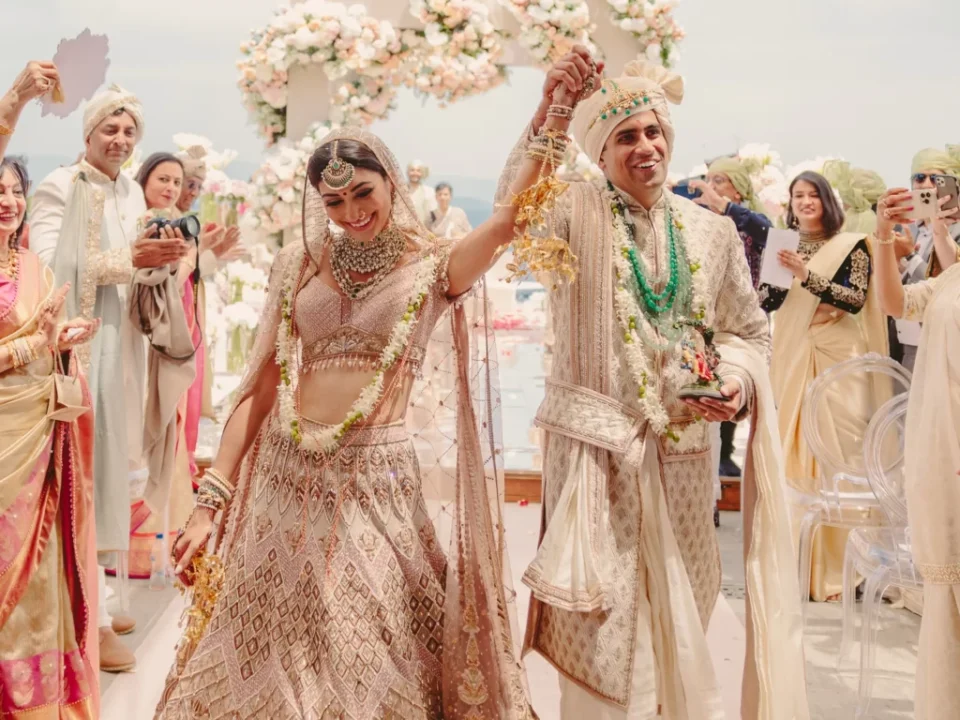
In Ajmer — a city where the safa is still tied the way it was in the Rajput courts — a mark of status worn at every durbar and wedding procession — Safawala treats turban rental as a complete service rather than a same-day rental. One team handles sourcing, fabric selection, and the actual draping, so nothing gets lost between a shop handing over a product and a stylist making it sit right on the day.
Safawala’s turban rental for Ajmer is priced to cover the complete process — fabric, fitting, tying, delivery, and pickup — rather than itemised as a bare rental with tying charged as a separate add-on.
Visit Our Ajmer Studio
Safawala keeps the Ajmer booking process deliberately low-friction: no showroom visit is required unless the family wants one, and the entire order can be confirmed, fitted, and delivered without anyone needing to leave home more than once.
On the Wedding Day
Safawala’s stylists working Ajmer weddings are trained to adjust the tying style slightly depending on the outfit underneath — a heavier sherwani needs a different approach than a lighter kurta.
What Makes Safawala Different
For Ajmer weddings with a tight schedule, Safawala’s team plans backward from the ceremony time, working out exactly when the stylist needs to arrive rather than treating tying as an afterthought.
Local Expertise in Ajmer
Local knowledge shows up in small ways — knowing which Ajmer venues have a quiet corner for a proper tying session, or how much time to budget for travel between a hotel and a wedding hall on a busy Saturday. Safawala’s stylists factor this in when scheduling Ajmer bookings.
Why Ajmer Families Trust Us
What builds confidence for Ajmer families booking turban rental isn’t a sales pitch — it’s a fitting that’s taken seriously, a fabric conversation that isn’t rushed, and a stylist who’s clearly done this before. That combination tends to matter more than price alone.
Areas We Cover Near Ajmer
Ajmer isn’t treated as an isolated booking — Safawala’s stylists also cover Ajmer and Pushkar regularly, so multi-city wedding schedules are planned for rather than handled as exceptions.
What to Keep in Mind
Confirming the exact ceremony time in Ajmer, rather than an approximate slot, helps the stylist plan arrival with enough buffer for a calm, unhurried tying session.
Our Simple Booking Process
The process for Ajmer usually starts with a WhatsApp message — date, venue, and what kind of turban rental is needed. From there, Safawala shares catalogue options, schedules a fitting, and confirms delivery for the morning of the ceremony.
Whatever the scale of the Ajmer wedding, Safawala’s approach to turban rental doesn’t change — fitting first, fabric chosen for the occasion, and tying handled by someone who’s done it before.
Frequently Asked Questions About Turban Rental in Ajmer
How do I get an approximate price for turban rental in Ajmer?
The quickest way is a WhatsApp message with the wedding date, venue, and roughly how many people need turbans — Safawala shares relevant catalogue options and pricing based on that.
How long does the actual tying take on the wedding morning?
Typically 20 to 30 minutes per person, depending on the style and how many people need to be tied. The stylist is scheduled with a buffer so this doesn't feel rushed against the ceremony time.
Do you provide services for both the groom and the bride's side of the family?
Yes — turban tying is offered for the groom's side and the bride's side alike, including fathers, brothers, and other close relatives attending the Ajmer wedding.
Is there a minimum number of turbans required for a group booking?
No strict minimum — bookings range from a single groom's safa to a full wedding party. Group orders are simply coordinated as one booking rather than several separate ones.
Can out-of-town relatives get a turban tied if they're only arriving the morning of the wedding?
This is possible but needs to be flagged in advance so the stylist's schedule accounts for it — arriving without notice on a packed wedding morning makes it harder to guarantee a slot.
Is delivery and pickup included for Ajmer weddings?
Yes — delivery ahead of the event and pickup afterward are both arranged as part of the booking, so there's nothing extra for the family to organise once the wedding is over.
What's the difference between a safa and a turban in terms of tying style?
The core difference is regional and stylistic — a safa is generally more structured with pleats, while turban styles vary more by state and occasion. Safawala's stylists can recommend a style suited to the family's specific background and the wedding's setting.