
Last-minute bookings can often still be accommodated, though the fitting and fabric options may be more limited. It's worth reaching out as early as possible even for urgent timelines.
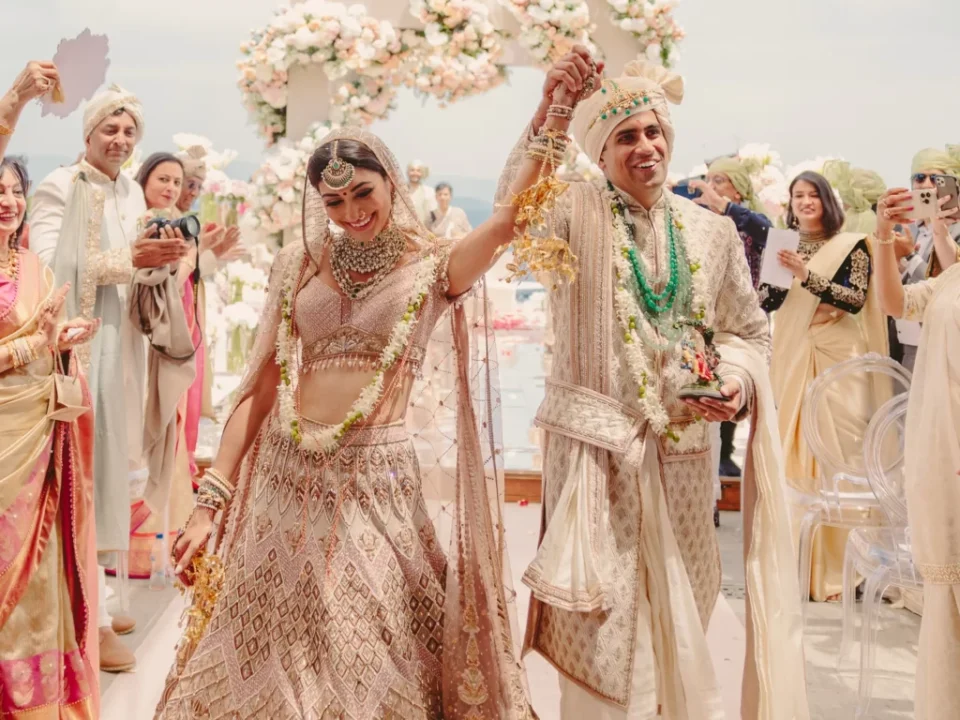
Paldi Guest & Barati Wedding Safa | Traditional Handcrafted Wedding Turbans
Get Pricing & Catalog on WhatsApp
Ask most families planning a wedding in Paldi and they’ll tell you the safa is one of the few things every guest actually looks at closely. That’s the standard Safawala holds guest and barati styling to: sourced, fitted, and tied by one accountable team.
Safawala’s guest and barati styling for Paldi is priced to cover the complete process — fabric, fitting, tying, delivery, and pickup — rather than itemised as a bare rental with tying charged as a separate add-on.
Visit Our Paldi Studio
Safawala keeps the Paldi booking process deliberately low-friction: no showroom visit is required unless the family wants one, and the entire order can be confirmed, fitted, and delivered without anyone needing to leave home more than once.
On the Wedding Day
Most grooms only interact with the guest and barati styling process twice — once at the fitting, once on the wedding morning. Everything in between, from fabric sourcing to quality checks, happens without the family needing to follow up.
What Makes Safawala Different
What sets guest and barati styling apart in Paldi is less about the fabric catalogue and more about the fitting-and-tying process around it — most complaints about a rented safa trace back to a skipped fitting, not the fabric itself.
Local Expertise in Paldi
Having worked enough Paldi weddings, Safawala’s stylists have a reasonable sense of which fabrics tend to hold up best in the local weather and venue conditions during the wedding season, and they’ll flag this during the fitting rather than leaving the family to guess.
Why Paldi Families Trust Us
For families who’ve dealt with a same-day rental counter before, the difference with Safawala’s Paldi service is usually obvious by the fitting stage alone — there’s no rush, no guesswork on sizing, and no surprise about what’s included.
Areas We Cover Near Paldi
Beyond Paldi itself, the same Safawala team regularly handles guest and barati styling for weddings in Gandhinagar, Sanand, and Vastrapur, so a destination or multi-venue celebration isn’t a logistics problem.
What to Keep in Mind
Timing the fitting a week or two before the event, rather than the day before, gives enough room to swap fabric or fix sizing without last-minute stress on the wedding morning in Paldi.
Our Simple Booking Process
Once a Paldi booking is confirmed, Safawala handles fabric sourcing and quality checks without needing further input from the family, unless a specific change is requested.
Paldi weddings deserve a safa that holds up through a full day of photographs — that’s the standard Safawala’s guest and barati styling is built around, order after order.
Frequently Asked Questions About Guest And Barati Styling in Paldi
Do you provide services for both the groom and the bride's side of the family?
Yes — turban tying is offered for the groom's side and the bride's side alike, including fathers, brothers, and other close relatives attending the Paldi wedding.
What if I'm not sure exactly what style I want yet?
That's normal — most families finalise the exact style at the fitting stage after seeing a few fabric and drape options in person or over video call, rather than deciding everything upfront.
Can the fitting be done without visiting a studio in Paldi?
Yes. Many families complete the fitting over a WhatsApp video call, especially when they're travelling in from another city for the wedding. A final in-person adjustment can still be arranged closer to the date if needed.
How is payment structured for a Paldi booking?
A small advance confirms the booking, with the remaining balance settled on delivery. This keeps the upfront commitment low until the family has actually seen and approved the piece.
Do you offer trial fittings before the actual wedding-week fitting?
A single proper fitting is usually enough, done about one to two weeks before the event. A second check happens on the wedding morning itself as a final adjustment rather than a full separate trial.
Can I request a specific stylist if I've worked with Safawala before?
This can usually be arranged, subject to availability on the wedding date — it's worth mentioning at the time of booking if there's a stylist the family has worked with previously.
How early on the wedding morning does the stylist usually arrive?
This depends on the ceremony time and how many people need to be tied, but the stylist is generally scheduled with enough buffer to finish well before the baraat or main ceremony begins.