
Yes — group bookings covering the groom, father, brothers, and other close relatives are handled as one coordinated order, which also helps keep the look consistent across the wedding party in photographs.
Valsad Destination Wedding Turban Tying | Traditional Handcrafted Wedding Turbans
Get Pricing & Catalog on WhatsApp
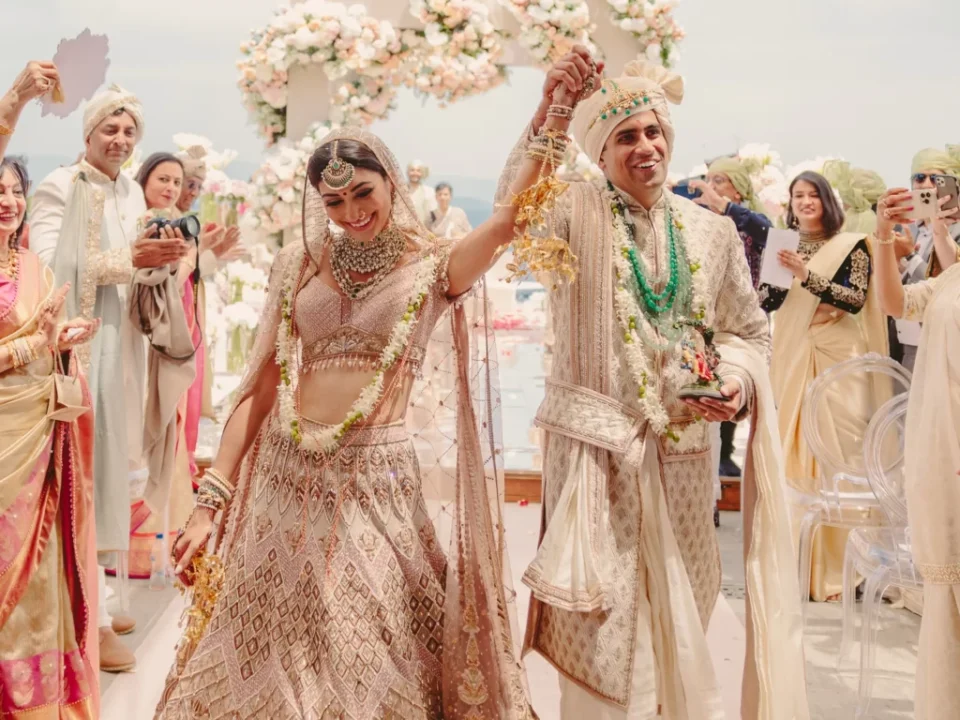
Valsad weddings still put real weight on how a groom’s safa is tied, which is exactly why Safawala runs destination turban tying as a full end-to-end job — fitting, fabric, and the final drape — instead of a same-day pickup.
destination turban tying bookings in Valsad aren’t limited to a single fixed style — families can choose from a range of drapes and colors, with the final decision usually made at the fitting once the outfit and venue are confirmed.
Visit Our Valsad Studio
Safawala’s stylists working Valsad weddings carry spare pins, extra fabric, and adjustment tools to every fitting, since sizing can shift slightly between the fitting date and the actual wedding morning.
On the Wedding Day
The morning-of process for Valsad weddings is kept deliberately unhurried: the stylist is scheduled with a buffer, so an unexpected delay elsewhere in the wedding morning doesn’t turn into a rushed tying job.
What Makes Safawala Different
What sets destination turban tying apart in Valsad is less about the fabric catalogue and more about the fitting-and-tying process around it — most complaints about a rented safa trace back to a skipped fitting, not the fabric itself.
Local Expertise in Valsad
Safawala doesn’t treat Valsad as a one-off market — repeat bookings and referrals from past Valsad weddings are common, and the team keeps informal notes on what’s worked well for families here, from fabric choices to timing preferences.
Why Valsad Families Trust Us
Consistency is what most Valsad families end up valuing most in hindsight: the same standard of fitting, fabric, and tying applied whether it’s a modest family function or a large multi-day wedding.
Areas We Cover Near Valsad
Families planning a Valsad wedding with guests travelling from Surat or Ankleshwar often ask about delivering a second or third safa to a different venue — Safawala coordinates this as part of the same booking.
What to Keep in Mind
If the wedding involves multiple functions in Valsad, it’s worth deciding early whether the same safa is reused or a different one is needed for each event, since that changes what gets planned and packed.
Our Simple Booking Process
Once a Valsad booking is confirmed, Safawala handles fabric sourcing and quality checks without needing further input from the family, unless a specific change is requested.
Safawala’s goal for every Valsad booking is simple: a safa that looks like it was made for that specific groom, tied by someone who knows what they’re doing, delivered on time.
Frequently Asked Questions About Destination Turban Tying in Valsad
Can the fabric or color be changed after the initial booking?
Yes, as long as it's raised before the final fitting. Fabric and color changes are easiest to accommodate when flagged at least a week or two before the event, rather than a few days out.
What happens if the safa doesn't fit properly on the day?
The stylist checks the fit again on the wedding morning, even after an earlier fitting, since minor adjustments are common. Small sizing corrections are handled on the spot as part of the service.
Do you offer trial fittings before the actual wedding-week fitting?
A single proper fitting is usually enough, done about one to two weeks before the event. A second check happens on the wedding morning itself as a final adjustment rather than a full separate trial.
What happens to the safa after the wedding — do I need to return it in a specific condition?
Pickup is arranged after the event, and the piece is simply returned as worn — Safawala handles cleaning afterward. There's no special preparation needed from the family.
What if two events on the same day need different turban styles?
This is planned for at the fitting stage — if a family needs a different style for, say, the haldi versus the main ceremony, that's factored into the booking rather than assumed to be one style throughout.
Can out-of-town relatives get a turban tied if they're only arriving the morning of the wedding?
This is possible but needs to be flagged in advance so the stylist's schedule accounts for it — arriving without notice on a packed wedding morning makes it harder to guarantee a slot.
Are there different safa styles for different communities or regions?
Yes — styles vary by community and region, and Safawala's stylists working in Valsad are familiar with the local preferences, whether that's a Rajputi drape, a Gujarati style, or a Marathi pagdi.