
This is usually discussed at the fitting stage, where the stylist can see the outfit or photos of it and recommend a fabric and color that complements it rather than clashes.
Premium Guest & Barati Wedding Safa in Mehsana | Royal Wedding Safas
Get Pricing & Catalog on WhatsApp
guest and barati styling in Mehsana through Safawala isn’t sold as a product on a shelf. It’s a service: a fitting appointment, a fabric conversation, and a stylist who ties the piece on the morning of the wedding.
Every order for guest and barati styling in Mehsana includes doorstep delivery, the on-site tying session itself, and pickup once the celebrations wind down, so the family isn’t left managing extra logistics during an already busy wedding week.
Visit Our Mehsana Studio
A lot of Mehsana bookings come from referrals — one family’s wedding photos leading to the next family’s inquiry. Safawala’s process stays the same regardless: fitting, fabric, tying, all handled by one team.
On the Wedding Day
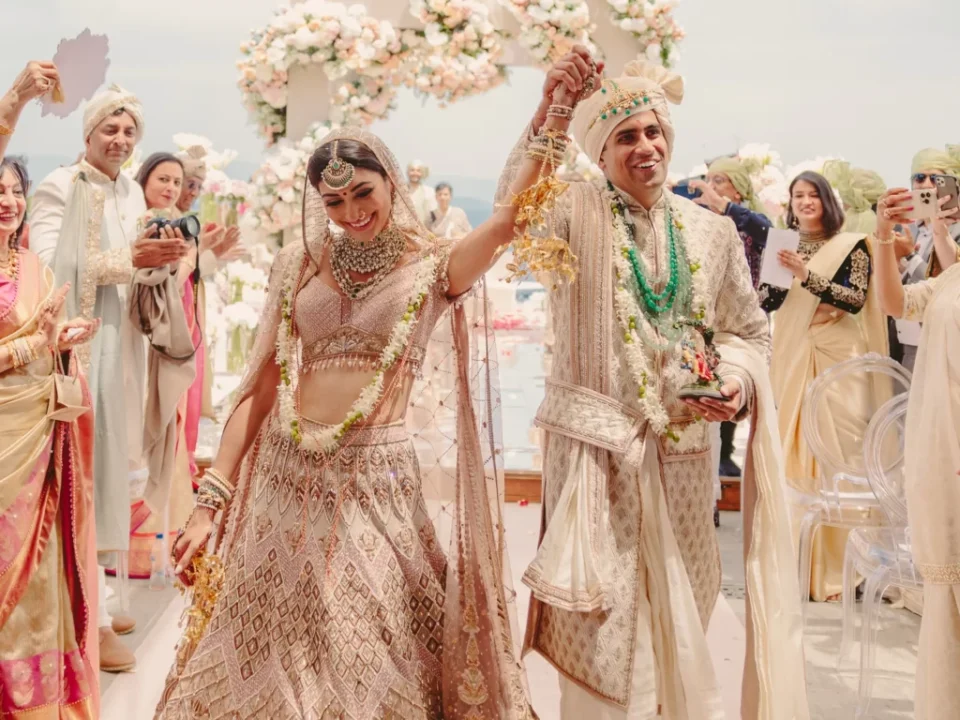
The tying itself takes longer than most people expect the first time they see it done properly — pleating, securing, and shaping the safa so it holds through a full day of photographs and dancing.
What Makes Safawala Different
Safawala’s approach to guest and barati styling in Mehsana treats the groom’s comfort as seriously as the look — a safa that’s tied too tight or poorly balanced becomes obvious in photographs by the end of a long day.
Local Expertise in Mehsana
Mehsana’s wedding season brings its own scheduling pressure, with multiple families often booking the same weekends. Safawala confirms stylist availability early for Mehsana bookings specifically because of this pattern, rather than assuming a slot will always be open closer to the date.
Why Mehsana Families Trust Us
Safawala’s team treats every Mehsana booking — whether it’s a single groom’s safa or a full wedding party — with the same level of attention to fitting and tying, rather than reserving the careful process for larger orders only.
Areas We Cover Near Mehsana
For families splitting their wedding functions between Mehsana and Surat, Safawala works out delivery timing and stylist availability for both locations in advance, rather than treating the second venue as an afterthought.
What to Keep in Mind
Timing the fitting a week or two before the event, rather than the day before, gives enough room to swap fabric or fix sizing without last-minute stress on the wedding morning in Mehsana.
Our Simple Booking Process
Pickup after a Mehsana wedding is arranged as part of the original booking, so there’s nothing extra for the family to organise once the celebrations wind down.
Mehsana weddings deserve a safa that holds up through a full day of photographs — that’s the standard Safawala’s guest and barati styling is built around, order after order.
Frequently Asked Questions About Guest And Barati Styling in Mehsana
What if the wedding venue changes after the booking is confirmed?
Just let the team know as soon as the new venue is confirmed — delivery and stylist scheduling are updated accordingly without affecting the rest of the booking.
How do you handle sizing for someone who can't attend a fitting in person?
Measurements can be taken over a video call using simple guidance, and a final adjustment is made when the stylist arrives for the in-person tying on the wedding day.
What happens to the safa after the wedding — do I need to return it in a specific condition?
Pickup is arranged after the event, and the piece is simply returned as worn — Safawala handles cleaning afterward. There's no special preparation needed from the family.
How far in advance should I book guest and barati styling in Mehsana?
Two to three weeks ahead usually gives enough time for a proper fitting and any fabric adjustments. Bookings closer to the date can often still be accommodated, though the fitting window becomes tighter and there's less room to change fabric or style if something doesn't work on the first try.
How is payment structured for a Mehsana booking?
A small advance confirms the booking, with the remaining balance settled on delivery. This keeps the upfront commitment low until the family has actually seen and approved the piece.
What if the wedding has multiple functions on different dates?
Fittings and tying sessions are scheduled separately for each function rather than assuming one tie holds across multiple events, since outfits and settings often differ between the sangeet, haldi, and main ceremony.
What's the difference between a safa and a turban in terms of tying style?
The core difference is regional and stylistic — a safa is generally more structured with pleats, while turban styles vary more by state and occasion. Safawala's stylists can recommend a style suited to the family's specific background and the wedding's setting.