
Yes, sizing and styling can be adjusted for younger members of the wedding party — this is worth mentioning at the time of booking so the right sizes are prepared in advance.
Vapi Groom Wedding Safa | Traditional Handcrafted Wedding Turbans
Get Pricing & Catalog on WhatsApp
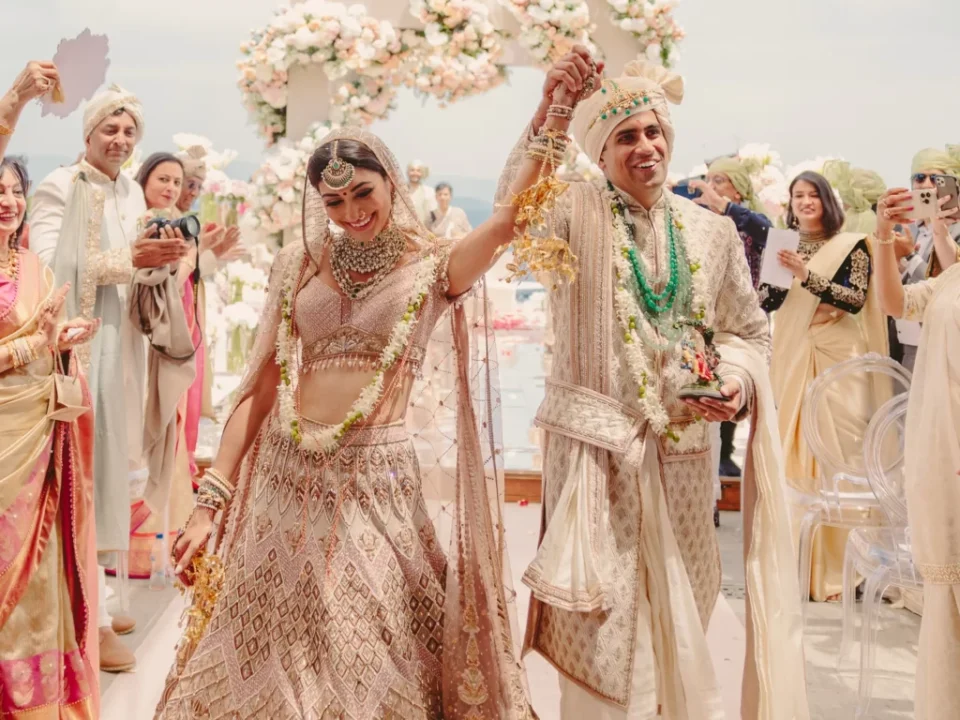
Vapi sits at the center of a belt of South Gujarat where Anavil, Parsi, and Gujarati wedding customs sit close together, and the safa remains a fixture at every one of them, and Safawala’s groom safa styling is designed around that context — practical for the busy families planning the event, without cutting corners on how the piece is fitted or tied.
groom safa styling bookings in Vapi aren’t limited to a single fixed style — families can choose from a range of drapes and colors, with the final decision usually made at the fitting once the outfit and venue are confirmed.
Visit Our Vapi Studio
Group orders for a Vapi wedding — groom, father, brothers, close relatives — are handled as one coordinated booking rather than several separate rentals, which keeps pricing and delivery simpler for the family managing it.
On the Wedding Day
On the wedding morning in Vapi, the stylist arrives with enough time to finish the tying and any last adjustments well before the baraat is due to leave, so there’s no rush built into the schedule.
What Makes Safawala Different
What sets groom safa styling apart in Vapi is less about the fabric catalogue and more about the fitting-and-tying process around it — most complaints about a rented safa trace back to a skipped fitting, not the fabric itself.
Local Expertise in Vapi
Vapi’s wedding season brings its own scheduling pressure, with multiple families often booking the same weekends. Safawala confirms stylist availability early for Vapi bookings specifically because of this pattern, rather than assuming a slot will always be open closer to the date.
Why Vapi Families Trust Us
Consistency is what most Vapi families end up valuing most in hindsight: the same standard of fitting, fabric, and tying applied whether it’s a modest family function or a large multi-day wedding.
Areas We Cover Near Vapi
For families splitting their wedding functions between Vapi and Surat, Safawala works out delivery timing and stylist availability for both locations in advance, rather than treating the second venue as an afterthought.
What to Keep in Mind
An early fitting also gives the stylist a clearer picture of exactly how the piece needs to sit, which tends to make the actual tying faster and more precise on the day itself.
Our Simple Booking Process
Safawala treats every Vapi booking as a fixed commitment once confirmed — the same stylist assigned at the fitting stage is the one who shows up for the tying on the wedding morning.
For every Vapi family, the process ends the same way it started — a stylist who shows up, a safa that fits, and one less thing to manage during an already busy wedding week.
Frequently Asked Questions About Groom Safa Styling in Vapi
Does the booking include the tying on the wedding day, or just the rental?
The tying is included as part of groom safa styling — a stylist is scheduled to arrive on the wedding morning with enough time to complete the draping before the ceremony. This isn't sold as a separate add-on; it's part of the standard booking.
Is it possible to book turbans for the whole wedding party, not just the groom?
Yes — group bookings covering the groom, father, brothers, and other close relatives are handled as one coordinated order, which also helps keep the look consistent across the wedding party in photographs.
What happens if the safa doesn't fit properly on the day?
The stylist checks the fit again on the wedding morning, even after an earlier fitting, since minor adjustments are common. Small sizing corrections are handled on the spot as part of the service.
How far in advance should I book groom safa styling in Vapi?
Two to three weeks ahead usually gives enough time for a proper fitting and any fabric adjustments. Bookings closer to the date can often still be accommodated, though the fitting window becomes tighter and there's less room to change fabric or style if something doesn't work on the first try.
Do you offer trial fittings before the actual wedding-week fitting?
A single proper fitting is usually enough, done about one to two weeks before the event. A second check happens on the wedding morning itself as a final adjustment rather than a full separate trial.
Are there different safa styles for different communities or regions?
Yes — styles vary by community and region, and Safawala's stylists working in Vapi are familiar with the local preferences, whether that's a Rajputi drape, a Gujarati style, or a Marathi pagdi.
What if the wedding has multiple functions on different dates?
Fittings and tying sessions are scheduled separately for each function rather than assuming one tie holds across multiple events, since outfits and settings often differ between the sangeet, haldi, and main ceremony.