
Yes, destination and multi-venue weddings are handled as part of the same booking — delivery timing and stylist availability are worked out in advance so travel isn't left as an afterthought.
Auckland Professional Wedding Turban Stylist | Professional Turban Styling & Safas
Get Pricing & Catalog on WhatsApp
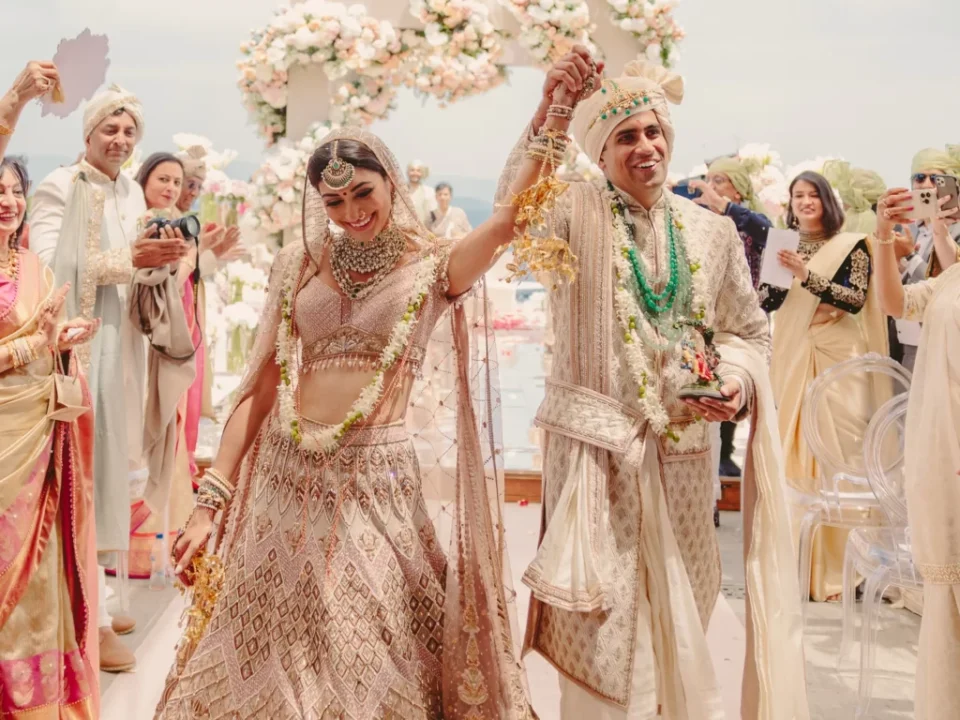
Auckland weddings still put real weight on how a groom’s safa is tied, which is exactly why Safawala runs turban styling as a full end-to-end job — fitting, fabric, and the final drape — instead of a same-day pickup.
For larger Auckland weddings, turban styling can be scaled to cover the full wedding party in one coordinated order, keeping the look consistent across the groom, father, and close relatives rather than booked separately.
Visit Our Auckland Studio
Group orders for a Auckland wedding — groom, father, brothers, close relatives — are handled as one coordinated booking rather than several separate rentals, which keeps pricing and delivery simpler for the family managing it.
On the Wedding Day
By the time the baraat leaves for a Auckland wedding, the safa has usually been checked twice — once at the earlier fitting, once again by the stylist minutes before the groom steps out.
What Makes Safawala Different
For Auckland weddings with a tight schedule, Safawala’s team plans backward from the ceremony time, working out exactly when the stylist needs to arrive rather than treating tying as an afterthought.
Local Expertise in Auckland
Safawala’s stylists working Auckland have tied safas across the kind of venues common here — banquet halls, farmhouses, and hotel lawns alike — so the fabric and drape recommendations account for the setting, not just the outfit. That local familiarity tends to matter more than families expect until they compare it against a generic, one-size rental.
Why Auckland Families Trust Us
Referrals make up a meaningful share of Auckland bookings, which says more about consistency than any single review could — families tend to recommend Safawala to relatives planning their own Auckland wedding only after seeing the process hold up for their own event.
Areas We Cover Near Auckland
Auckland isn’t treated as an isolated booking — Safawala’s stylists also cover nearby cities and the wider region regularly, so multi-city wedding schedules are planned for rather than handled as exceptions.
What to Keep in Mind
For families new to renting rather than buying a safa, it’s worth asking about the exact pickup timing after the Auckland event — this is usually arranged in advance so nothing is left for the family to organise once the wedding is over.
Our Simple Booking Process
For Auckland families booking turban styling, the fastest path is usually a direct WhatsApp message with the wedding date and venue — catalogue options and fitting scheduling follow from there within a day or two.
Auckland weddings deserve a safa that holds up through a full day of photographs — that’s the standard Safawala’s turban styling is built around, order after order.
Frequently Asked Questions About Turban Styling in Auckland
What if it's a same-week or last-minute booking?
Last-minute bookings can often still be accommodated, though the fitting and fabric options may be more limited. It's worth reaching out as early as possible even for urgent timelines.
Do you offer trial fittings before the actual wedding-week fitting?
A single proper fitting is usually enough, done about one to two weeks before the event. A second check happens on the wedding morning itself as a final adjustment rather than a full separate trial.
How long does the actual tying take on the wedding morning?
Typically 20 to 30 minutes per person, depending on the style and how many people need to be tied. The stylist is scheduled with a buffer so this doesn't feel rushed against the ceremony time.
Is it possible to book turbans for the whole wedding party, not just the groom?
Yes — group bookings covering the groom, father, brothers, and other close relatives are handled as one coordinated order, which also helps keep the look consistent across the wedding party in photographs.
Can I see the fabric in person before confirming the booking?
Yes, a studio visit can be arranged for families who'd prefer to see and feel the fabric directly, though most Auckland bookings are completed over WhatsApp with photos and video calls instead.
What if the wedding venue changes after the booking is confirmed?
Just let the team know as soon as the new venue is confirmed — delivery and stylist scheduling are updated accordingly without affecting the rest of the booking.
How early on the wedding morning does the stylist usually arrive?
This depends on the ceremony time and how many people need to be tied, but the stylist is generally scheduled with enough buffer to finish well before the baraat or main ceremony begins.