
That's normal — most families finalise the exact style at the fitting stage after seeing a few fabric and drape options in person or over video call, rather than deciding everything upfront.
Premium Wedding Safa Tying Services in Riyadh | Royal Wedding Safas
Get Pricing & Catalog on WhatsApp
Safawala runs safa tying in Riyadh the way a tailor runs a suit order — fitting first, fabric decided around the occasion, and the final tying done in person rather than assumed the groom can manage alone.
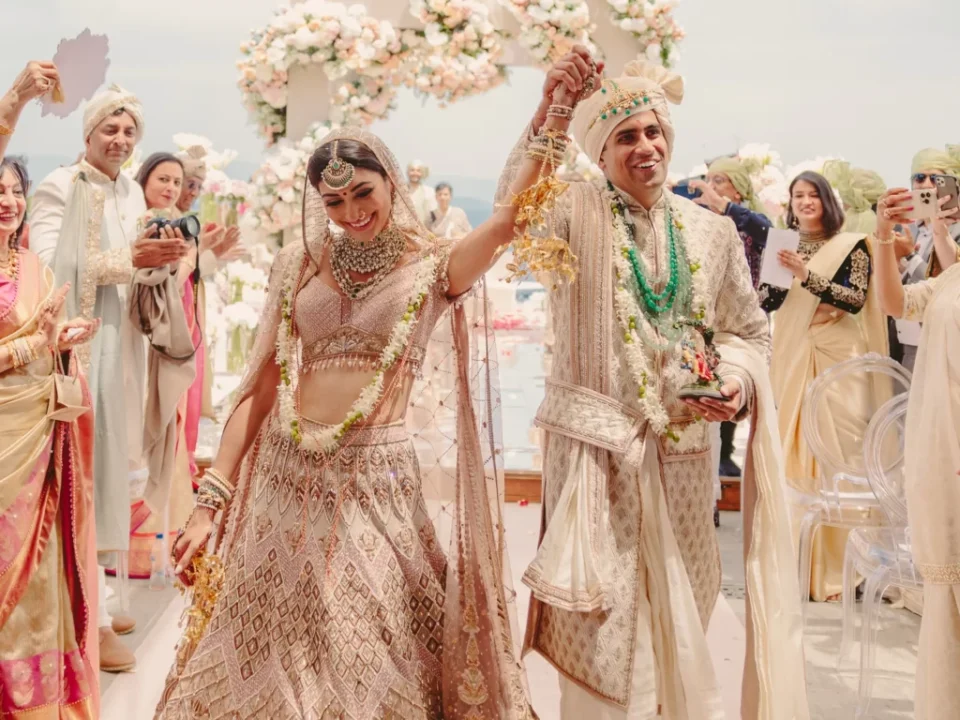
safa tying bookings in Riyadh aren’t limited to a single fixed style — families can choose from a range of drapes and colors, with the final decision usually made at the fitting once the outfit and venue are confirmed.
Visit Our Riyadh Studio
Safawala keeps the Riyadh booking process deliberately low-friction: no showroom visit is required unless the family wants one, and the entire order can be confirmed, fitted, and delivered without anyone needing to leave home more than once.
On the Wedding Day
For Riyadh weddings held across multiple venues in the same week, Safawala schedules a separate tying session for each function rather than assuming one tie holds for every event.
What Makes Safawala Different
The stylists assigned to Riyadh weddings are the same people doing the fitting earlier in the process, so there’s no handoff between whoever measured the groom and whoever ties the safa on the day.
Local Expertise in Riyadh
Safawala doesn’t treat Riyadh as a one-off market — repeat bookings and referrals from past Riyadh weddings are common, and the team keeps informal notes on what’s worked well for families here, from fabric choices to timing preferences.
Why Riyadh Families Trust Us
Consistency is what most Riyadh families end up valuing most in hindsight: the same standard of fitting, fabric, and tying applied whether it’s a modest family function or a large multi-day wedding.
Areas We Cover Near Riyadh
Destination elements to a Riyadh wedding — a function held in neighbouring emirates or the wider region — are folded into the same booking rather than requiring a completely separate order.
What to Keep in Mind
For families new to renting rather than buying a safa, it’s worth asking about the exact pickup timing after the Riyadh event — this is usually arranged in advance so nothing is left for the family to organise once the wedding is over.
Our Simple Booking Process
For Riyadh families booking safa tying, the fastest path is usually a direct WhatsApp message with the wedding date and venue — catalogue options and fitting scheduling follow from there within a day or two.
For Riyadh families booking safa tying, Safawala’s focus stays the same across every order: real craftsmanship, a proper fitting, and a stylist who shows up when promised.
Frequently Asked Questions About Safa Tying in Riyadh
How do you handle sizing for someone who can't attend a fitting in person?
Measurements can be taken over a video call using simple guidance, and a final adjustment is made when the stylist arrives for the in-person tying on the wedding day.
What's the difference between a safa and a turban in terms of tying style?
The core difference is regional and stylistic — a safa is generally more structured with pleats, while turban styles vary more by state and occasion. Safawala's stylists can recommend a style suited to the family's specific background and the wedding's setting.
What if it's a same-week or last-minute booking?
Last-minute bookings can often still be accommodated, though the fitting and fabric options may be more limited. It's worth reaching out as early as possible even for urgent timelines.
How early on the wedding morning does the stylist usually arrive?
This depends on the ceremony time and how many people need to be tied, but the stylist is generally scheduled with enough buffer to finish well before the baraat or main ceremony begins.
What if the wedding venue changes after the booking is confirmed?
Just let the team know as soon as the new venue is confirmed — delivery and stylist scheduling are updated accordingly without affecting the rest of the booking.
How do I get an approximate price for safa tying in Riyadh?
The quickest way is a WhatsApp message with the wedding date, venue, and roughly how many people need turbans — Safawala shares relevant catalogue options and pricing based on that.
How do I know what color or style suits the wedding outfit?
This is usually discussed at the fitting stage, where the stylist can see the outfit or photos of it and recommend a fabric and color that complements it rather than clashes.