
This is planned for at the fitting stage — if a family needs a different style for, say, the haldi versus the main ceremony, that's factored into the booking rather than assumed to be one style throughout.
Premium Professional Wedding Turban Stylist in Haridwar | Royal Wedding Safas
Get Pricing & Catalog on WhatsApp
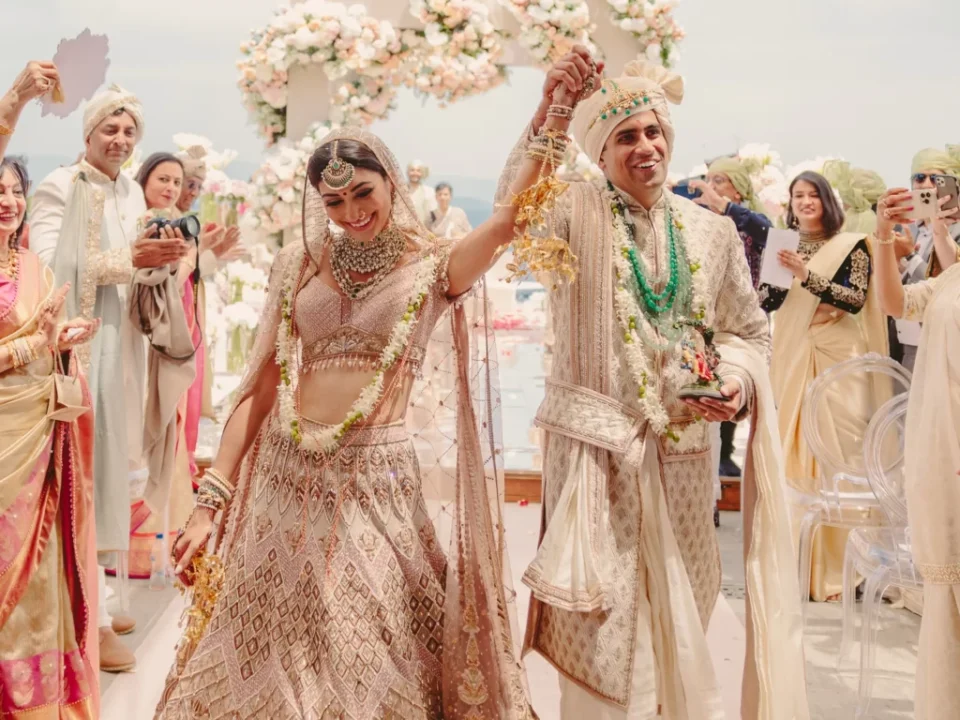
Haridwar is a hill or heritage town where destination weddings have made the safa as much a part of the setting as the venue itself, and Safawala’s approach to turban styling here reflects that: a proper fitting, fabric chosen to suit the event, and a trained stylist who ties it on the day rather than leaving the groom to manage it himself.
Safawala’s turban styling for Haridwar is priced to cover the complete process — fabric, fitting, tying, delivery, and pickup — rather than itemised as a bare rental with tying charged as a separate add-on.
Visit Our Haridwar Studio
Families who’d rather see the fabric before committing are welcome to visit Safawala’s studio and discuss options for their Haridwar booking directly. Most families, though, complete the whole process over WhatsApp and meet the stylist only at the fitting.
On the Wedding Day
Safawala’s on-site tying for Haridwar isn’t limited to the groom — Safawala also handles the father of the groom, brothers, and other close family members who need a matching or coordinated look.
What Makes Safawala Different
The stylists assigned to Haridwar weddings are the same people doing the fitting earlier in the process, so there’s no handoff between whoever measured the groom and whoever ties the safa on the day.
Local Expertise in Haridwar
Local knowledge shows up in small ways — knowing which Haridwar venues have a quiet corner for a proper tying session, or how much time to budget for travel between a hotel and a wedding hall on a busy Saturday. Safawala’s stylists factor this in when scheduling Haridwar bookings.
Why Haridwar Families Trust Us
Referrals make up a meaningful share of Haridwar bookings, which says more about consistency than any single review could — families tend to recommend Safawala to relatives planning their own Haridwar wedding only after seeing the process hold up for their own event.
Areas We Cover Near Haridwar
Destination elements to a Haridwar wedding — a function held in nearby hill towns or the wider region — are folded into the same booking rather than requiring a completely separate order.
What to Keep in Mind
If the wedding involves multiple functions in Haridwar, it’s worth deciding early whether the same safa is reused or a different one is needed for each event, since that changes what gets planned and packed.
Our Simple Booking Process
Safawala’s turban styling bookings for Haridwar weddings are typically locked in two to four weeks ahead of the date, though closer bookings can usually still be accommodated with some flexibility on fitting timing.
Whatever the scale of the Haridwar wedding, Safawala’s approach to turban styling doesn’t change — fitting first, fabric chosen for the occasion, and tying handled by someone who’s done it before.
Frequently Asked Questions About Turban Styling in Haridwar
Do you offer trial fittings before the actual wedding-week fitting?
A single proper fitting is usually enough, done about one to two weeks before the event. A second check happens on the wedding morning itself as a final adjustment rather than a full separate trial.
How far in advance should I book turban styling in Haridwar?
Two to three weeks ahead usually gives enough time for a proper fitting and any fabric adjustments. Bookings closer to the date can often still be accommodated, though the fitting window becomes tighter and there's less room to change fabric or style if something doesn't work on the first try.
How long does the actual tying take on the wedding morning?
Typically 20 to 30 minutes per person, depending on the style and how many people need to be tied. The stylist is scheduled with a buffer so this doesn't feel rushed against the ceremony time.
Is on-site tying available at the wedding venue itself, or only at a studio?
On-site tying at the wedding venue is the standard arrangement for turban styling — the stylist travels to the venue on the morning of the event rather than requiring the groom to visit a studio.
Can the fabric or color be changed after the initial booking?
Yes, as long as it's raised before the final fitting. Fabric and color changes are easiest to accommodate when flagged at least a week or two before the event, rather than a few days out.
Is it possible to book turbans for the whole wedding party, not just the groom?
Yes — group bookings covering the groom, father, brothers, and other close relatives are handled as one coordinated order, which also helps keep the look consistent across the wedding party in photographs.
Are there different safa styles for different communities or regions?
Yes — styles vary by community and region, and Safawala's stylists working in Haridwar are familiar with the local preferences, whether that's a Rajputi drape, a Gujarati style, or a Marathi pagdi.