
Yes, destination and multi-venue weddings are handled as part of the same booking — delivery timing and stylist availability are worked out in advance so travel isn't left as an afterthought.
Haridwar Groom Wedding Turban | Traditional Handcrafted Wedding Turbans
Get Pricing & Catalog on WhatsApp
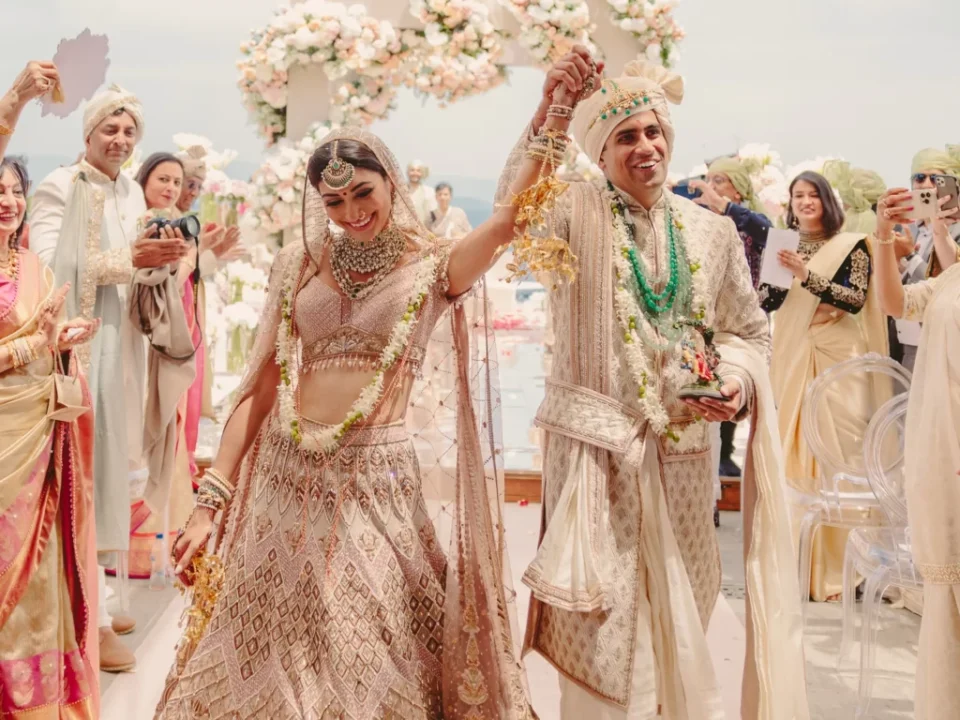
Haridwar weddings still put real weight on how a groom’s safa is tied, which is exactly why Safawala runs groom turban styling as a full end-to-end job — fitting, fabric, and the final drape — instead of a same-day pickup.
The Haridwar catalogue for groom turban styling includes options across silk, brocade, and cotton-silk blends, chosen based on the season, the venue, and what’s being worn underneath — a decision usually finalised together with the stylist at the fitting.
Visit Our Haridwar Studio
Most Haridwar families book two to three weeks ahead of the wedding date, which gives enough time for a proper fitting and any fabric changes without the stress of a last-minute order.
On the Wedding Day
Most grooms only interact with the groom turban styling process twice — once at the fitting, once on the wedding morning. Everything in between, from fabric sourcing to quality checks, happens without the family needing to follow up.
What Makes Safawala Different
Unlike a standard rental counter, groom turban styling through Safawala in Haridwar includes the tying itself as part of the service, not an extra the family has to arrange separately on the wedding morning.
Local Expertise in Haridwar
Local knowledge shows up in small ways — knowing which Haridwar venues have a quiet corner for a proper tying session, or how much time to budget for travel between a hotel and a wedding hall on a busy Saturday. Safawala’s stylists factor this in when scheduling Haridwar bookings.
Why Haridwar Families Trust Us
Safawala’s team treats every Haridwar booking — whether it’s a single groom’s safa or a full wedding party — with the same level of attention to fitting and tying, rather than reserving the careful process for larger orders only.
Areas We Cover Near Haridwar
For families splitting their wedding functions between Haridwar and nearby hill towns, Safawala works out delivery timing and stylist availability for both locations in advance, rather than treating the second venue as an afterthought.
What to Keep in Mind
It helps to confirm the outfit underneath — sherwani, kurta, or bandhgala — before the fitting, since the tying style and fabric pairing can shift depending on what’s worn with the safa.
Our Simple Booking Process
Pickup after a Haridwar wedding is arranged as part of the original booking, so there’s nothing extra for the family to organise once the celebrations wind down.
Haridwar weddings deserve a safa that holds up through a full day of photographs — that’s the standard Safawala’s groom turban styling is built around, order after order.
Frequently Asked Questions About Groom Turban Styling in Haridwar
Do you offer trial fittings before the actual wedding-week fitting?
A single proper fitting is usually enough, done about one to two weeks before the event. A second check happens on the wedding morning itself as a final adjustment rather than a full separate trial.
Is delivery and pickup included for Haridwar weddings?
Yes — delivery ahead of the event and pickup afterward are both arranged as part of the booking, so there's nothing extra for the family to organise once the wedding is over.
How do you handle sizing for someone who can't attend a fitting in person?
Measurements can be taken over a video call using simple guidance, and a final adjustment is made when the stylist arrives for the in-person tying on the wedding day.
How do I get an approximate price for groom turban styling in Haridwar?
The quickest way is a WhatsApp message with the wedding date, venue, and roughly how many people need turbans — Safawala shares relevant catalogue options and pricing based on that.
How early on the wedding morning does the stylist usually arrive?
This depends on the ceremony time and how many people need to be tied, but the stylist is generally scheduled with enough buffer to finish well before the baraat or main ceremony begins.
What fabrics are typically used for groom turban styling in Haridwar?
Silk, brocade, and cotton-silk blends are the most common choices, selected based on the season, the outfit underneath, and whether the event is indoors or outdoors.
Can I see the fabric in person before confirming the booking?
Yes, a studio visit can be arranged for families who'd prefer to see and feel the fabric directly, though most Haridwar bookings are completed over WhatsApp with photos and video calls instead.