
This is usually discussed at the fitting stage, where the stylist can see the outfit or photos of it and recommend a fabric and color that complements it rather than clashes.
Salt Lake Groom Wedding Safa | Professional Turban Styling & Safas
Get Pricing & Catalog on WhatsApp
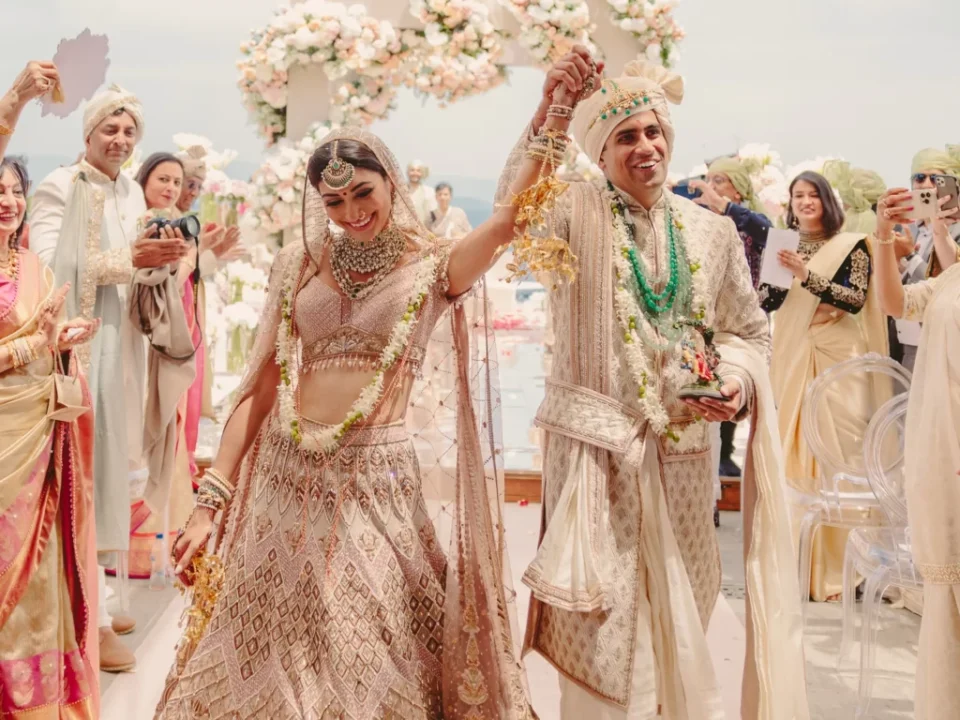
In Salt Lake — a city where Marwari and North Indian wedding communities have long called for a properly tied safa, alongside the city’s own Bengali wedding traditions — Safawala treats groom safa styling as a complete service rather than a same-day rental. One team handles sourcing, fabric selection, and the actual draping, so nothing gets lost between a shop handing over a product and a stylist making it sit right on the day.
groom safa styling through Safawala in Salt Lake covers the full range from classic, traditional drapes to more contemporary, minimal styles — priced for both single-day rentals and multi-function packages that stretch across the sangeet, haldi, and main ceremony.
Visit Our Salt Lake Studio
For families managing a Salt Lake wedding from another city entirely, Safawala coordinates fitting and delivery timing around the family’s actual travel schedule rather than a fixed in-house appointment slot.
On the Wedding Day
The morning-of process for Salt Lake weddings is kept deliberately unhurried: the stylist is scheduled with a buffer, so an unexpected delay elsewhere in the wedding morning doesn’t turn into a rushed tying job.
What Makes Safawala Different
The stylists assigned to Salt Lake weddings are the same people doing the fitting earlier in the process, so there’s no handoff between whoever measured the groom and whoever ties the safa on the day.
Local Expertise in Salt Lake
Safawala doesn’t treat Salt Lake as a one-off market — repeat bookings and referrals from past Salt Lake weddings are common, and the team keeps informal notes on what’s worked well for families here, from fabric choices to timing preferences.
Why Salt Lake Families Trust Us
What builds confidence for Salt Lake families booking groom safa styling isn’t a sales pitch — it’s a fitting that’s taken seriously, a fabric conversation that isn’t rushed, and a stylist who’s clearly done this before. That combination tends to matter more than price alone.
Areas We Cover Near Salt Lake
For families splitting their wedding functions between Salt Lake and Howrah, Safawala works out delivery timing and stylist availability for both locations in advance, rather than treating the second venue as an afterthought.
What to Keep in Mind
If the wedding involves multiple functions in Salt Lake, it’s worth deciding early whether the same safa is reused or a different one is needed for each event, since that changes what gets planned and packed.
Our Simple Booking Process
The Salt Lake booking process is designed to need minimal back-and-forth — one conversation to confirm details, one fitting, and one delivery, with the stylist handling everything else.
For families planning groom safa styling in Salt Lake, the reassurance Safawala offers isn’t a discount or a rushed turnaround — it’s a fitting that actually fits and a stylist who turns up.
Frequently Asked Questions About Groom Safa Styling in Salt Lake
What's included in the price — just the safa, or the full service?
The price covers the full service: fabric, fitting, on-site tying, delivery, and pickup. It isn't priced as a bare rental with tying charged separately.
Can out-of-town relatives get a turban tied if they're only arriving the morning of the wedding?
This is possible but needs to be flagged in advance so the stylist's schedule accounts for it — arriving without notice on a packed wedding morning makes it harder to guarantee a slot.
Are there different safa styles for different communities or regions?
Yes — styles vary by community and region, and Safawala's stylists working in Salt Lake are familiar with the local preferences, whether that's a Rajputi drape, a Gujarati style, or a Marathi pagdi.
What if I'm not sure exactly what style I want yet?
That's normal — most families finalise the exact style at the fitting stage after seeing a few fabric and drape options in person or over video call, rather than deciding everything upfront.
How long does the actual tying take on the wedding morning?
Typically 20 to 30 minutes per person, depending on the style and how many people need to be tied. The stylist is scheduled with a buffer so this doesn't feel rushed against the ceremony time.
How do you handle sizing for someone who can't attend a fitting in person?
Measurements can be taken over a video call using simple guidance, and a final adjustment is made when the stylist arrives for the in-person tying on the wedding day.
Can the fabric or color be changed after the initial booking?
Yes, as long as it's raised before the final fitting. Fabric and color changes are easiest to accommodate when flagged at least a week or two before the event, rather than a few days out.