
Last-minute bookings can often still be accommodated, though the fitting and fabric options may be more limited. It's worth reaching out as early as possible even for urgent timelines.
Vagator Professional Wedding Turban Stylist | Professional Turban Styling & Safas
Get Pricing & Catalog on WhatsApp
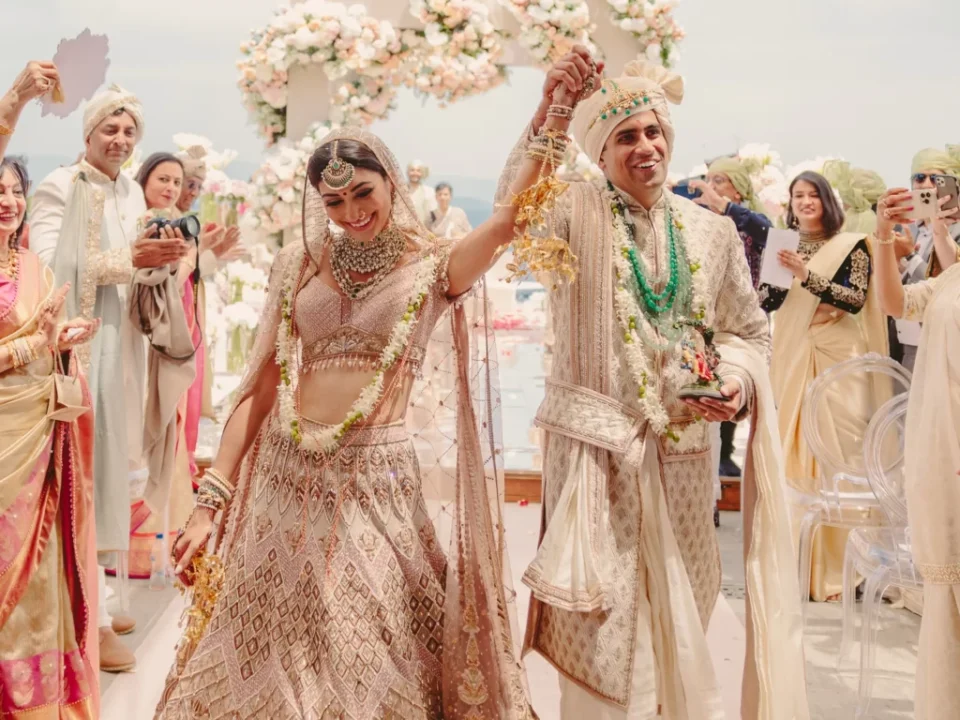
Safawala’s turban styling in Vagator is built around one idea that keeps coming up in conversations with families here: a rented safa should never look rented. Fitting and tying are treated as seriously as the fabric itself.
Every order for turban styling in Vagator includes doorstep delivery, the on-site tying session itself, and pickup once the celebrations wind down, so the family isn’t left managing extra logistics during an already busy wedding week.
Visit Our Vagator Studio
Safawala’s Vagator bookings are confirmed with a small advance, with the balance settled on delivery — a structure most families find easier to plan around than paying the full amount upfront for something they haven’t seen yet.
On the Wedding Day
The final few minutes before a Vagator groom steps out are usually the calmest part of the whole process, since fabric, fitting, and styling decisions have already been settled days in advance.
What Makes Safawala Different
What tends to matter most to Vagator families is the combination of flexibility and reliability — group bookings are handled as one coordinated order, so the whole wedding party looks consistent instead of mismatched in photographs.
Local Expertise in Vagator
Weddings in Vagator follow their own rhythm — certain weeks get booked out faster than others, certain venues have specific space constraints for the tying session. Safawala’s team plans around this local pattern rather than treating every Vagator booking as an isolated, unfamiliar request.
Why Vagator Families Trust Us
Consistency is what most Vagator families end up valuing most in hindsight: the same standard of fitting, fabric, and tying applied whether it’s a modest family function or a large multi-day wedding.
Areas We Cover Near Vagator
Families planning a Vagator wedding with guests travelling from Panaji or Calangute often ask about delivering a second or third safa to a different venue — Safawala coordinates this as part of the same booking.
What to Keep in Mind
For Vagator weddings with more than one person needing a turban, sharing the full group list at the time of booking — not the week of the event — makes scheduling the tying session on the day considerably easier.
Our Simple Booking Process
For Vagator families booking turban styling, the fastest path is usually a direct WhatsApp message with the wedding date and venue — catalogue options and fitting scheduling follow from there within a day or two.
For every Vagator family, the process ends the same way it started — a stylist who shows up, a safa that fits, and one less thing to manage during an already busy wedding week.
Frequently Asked Questions About Turban Styling in Vagator
What if the wedding has multiple functions on different dates?
Fittings and tying sessions are scheduled separately for each function rather than assuming one tie holds across multiple events, since outfits and settings often differ between the sangeet, haldi, and main ceremony.
Can I see the fabric in person before confirming the booking?
Yes, a studio visit can be arranged for families who'd prefer to see and feel the fabric directly, though most Vagator bookings are completed over WhatsApp with photos and video calls instead.
Do you cover destination weddings outside Vagator?
Yes, destination and multi-venue weddings are handled as part of the same booking — delivery timing and stylist availability are worked out in advance so travel isn't left as an afterthought.
What fabrics are typically used for turban styling in Vagator?
Silk, brocade, and cotton-silk blends are the most common choices, selected based on the season, the outfit underneath, and whether the event is indoors or outdoors.
Is on-site tying available at the wedding venue itself, or only at a studio?
On-site tying at the wedding venue is the standard arrangement for turban styling — the stylist travels to the venue on the morning of the event rather than requiring the groom to visit a studio.
How do you handle sizing for someone who can't attend a fitting in person?
Measurements can be taken over a video call using simple guidance, and a final adjustment is made when the stylist arrives for the in-person tying on the wedding day.
Are there different safa styles for different communities or regions?
Yes — styles vary by community and region, and Safawala's stylists working in Vagator are familiar with the local preferences, whether that's a Rajputi drape, a Gujarati style, or a Marathi pagdi.