
Yes — group bookings covering the groom, father, brothers, and other close relatives are handled as one coordinated order, which also helps keep the look consistent across the wedding party in photographs.
Vagator Wedding Safa Tying Services | Professional Turban Styling & Safas
Get Pricing & Catalog on WhatsApp
In a city like Vagator — a beach destination-wedding town where resort weddings still call for a proper safa, tied on-site rather than assumed unnecessary — the safa carries more expectation than an outsider might assume, and Safawala’s safa tying is built to meet that bar rather than settle for a generic off-the-rack option.
safa tying bookings in Vagator aren’t limited to a single fixed style — families can choose from a range of drapes and colors, with the final decision usually made at the fitting once the outfit and venue are confirmed.
Visit Our Vagator Studio
Group orders for a Vagator wedding — groom, father, brothers, close relatives — are handled as one coordinated booking rather than several separate rentals, which keeps pricing and delivery simpler for the family managing it.
On the Wedding Day
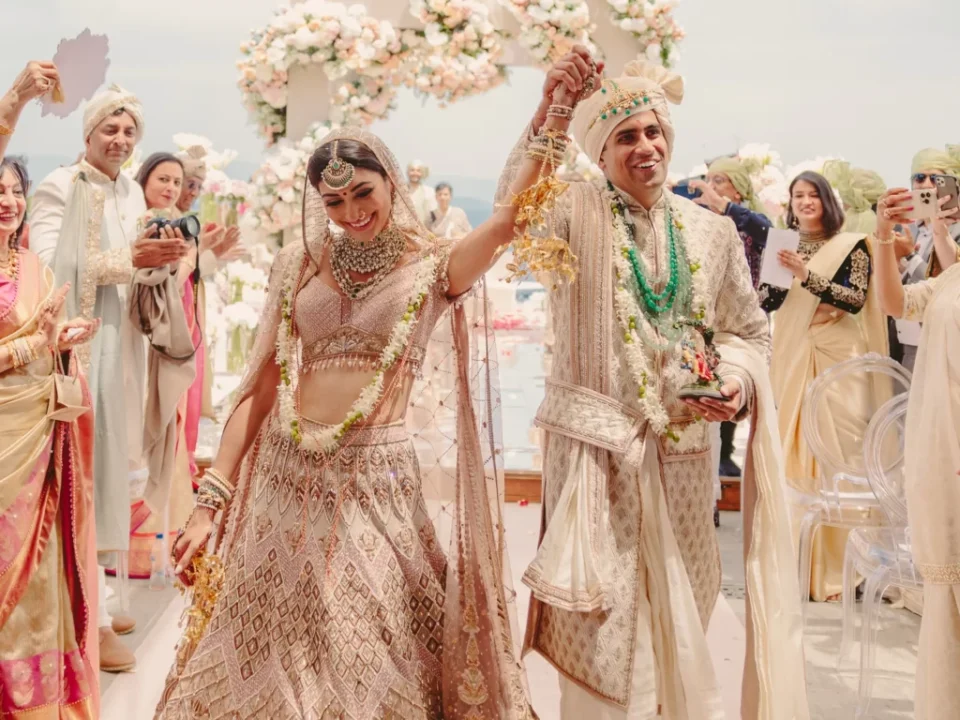
The tying itself takes longer than most people expect the first time they see it done properly — pleating, securing, and shaping the safa so it holds through a full day of photographs and dancing.
What Makes Safawala Different
Safawala’s approach to safa tying in Vagator treats the groom’s comfort as seriously as the look — a safa that’s tied too tight or poorly balanced becomes obvious in photographs by the end of a long day.
Local Expertise in Vagator
Local knowledge shows up in small ways — knowing which Vagator venues have a quiet corner for a proper tying session, or how much time to budget for travel between a hotel and a wedding hall on a busy Saturday. Safawala’s stylists factor this in when scheduling Vagator bookings.
Why Vagator Families Trust Us
Safawala’s team treats every Vagator booking — whether it’s a single groom’s safa or a full wedding party — with the same level of attention to fitting and tying, rather than reserving the careful process for larger orders only.
Areas We Cover Near Vagator
Beyond Vagator itself, the same Safawala team regularly handles safa tying for weddings in Panaji, Calangute, and Margao, so a destination or multi-venue celebration isn’t a logistics problem.
What to Keep in Mind
It helps to confirm the outfit underneath — sherwani, kurta, or bandhgala — before the fitting, since the tying style and fabric pairing can shift depending on what’s worn with the safa.
Our Simple Booking Process
The Vagator booking process is designed to need minimal back-and-forth — one conversation to confirm details, one fitting, and one delivery, with the stylist handling everything else.
Vagator weddings deserve a safa that holds up through a full day of photographs — that’s the standard Safawala’s safa tying is built around, order after order.
Frequently Asked Questions About Safa Tying in Vagator
What's the difference between a safa and a turban in terms of tying style?
The core difference is regional and stylistic — a safa is generally more structured with pleats, while turban styles vary more by state and occasion. Safawala's stylists can recommend a style suited to the family's specific background and the wedding's setting.
What if two events on the same day need different turban styles?
This is planned for at the fitting stage — if a family needs a different style for, say, the haldi versus the main ceremony, that's factored into the booking rather than assumed to be one style throughout.
What if the wedding has multiple functions on different dates?
Fittings and tying sessions are scheduled separately for each function rather than assuming one tie holds across multiple events, since outfits and settings often differ between the sangeet, haldi, and main ceremony.
How do you handle sizing for someone who can't attend a fitting in person?
Measurements can be taken over a video call using simple guidance, and a final adjustment is made when the stylist arrives for the in-person tying on the wedding day.
Is delivery and pickup included for Vagator weddings?
Yes — delivery ahead of the event and pickup afterward are both arranged as part of the booking, so there's nothing extra for the family to organise once the wedding is over.
How long does the actual tying take on the wedding morning?
Typically 20 to 30 minutes per person, depending on the style and how many people need to be tied. The stylist is scheduled with a buffer so this doesn't feel rushed against the ceremony time.
Do you offer trial fittings before the actual wedding-week fitting?
A single proper fitting is usually enough, done about one to two weeks before the event. A second check happens on the wedding morning itself as a final adjustment rather than a full separate trial.