
This is planned for at the fitting stage — if a family needs a different style for, say, the haldi versus the main ceremony, that's factored into the booking rather than assumed to be one style throughout.
Premium Wedding Safa Tying Services in Baga | Royal Wedding Safas
Get Pricing & Catalog on WhatsApp
Safawala runs safa tying in Baga the way a tailor runs a suit order — fitting first, fabric decided around the occasion, and the final tying done in person rather than assumed the groom can manage alone.
Safawala’s safa tying for Baga is priced to cover the complete process — fabric, fitting, tying, delivery, and pickup — rather than itemised as a bare rental with tying charged as a separate add-on.
Visit Our Baga Studio
Safawala keeps the Baga booking process deliberately low-friction: no showroom visit is required unless the family wants one, and the entire order can be confirmed, fitted, and delivered without anyone needing to leave home more than once.
On the Wedding Day
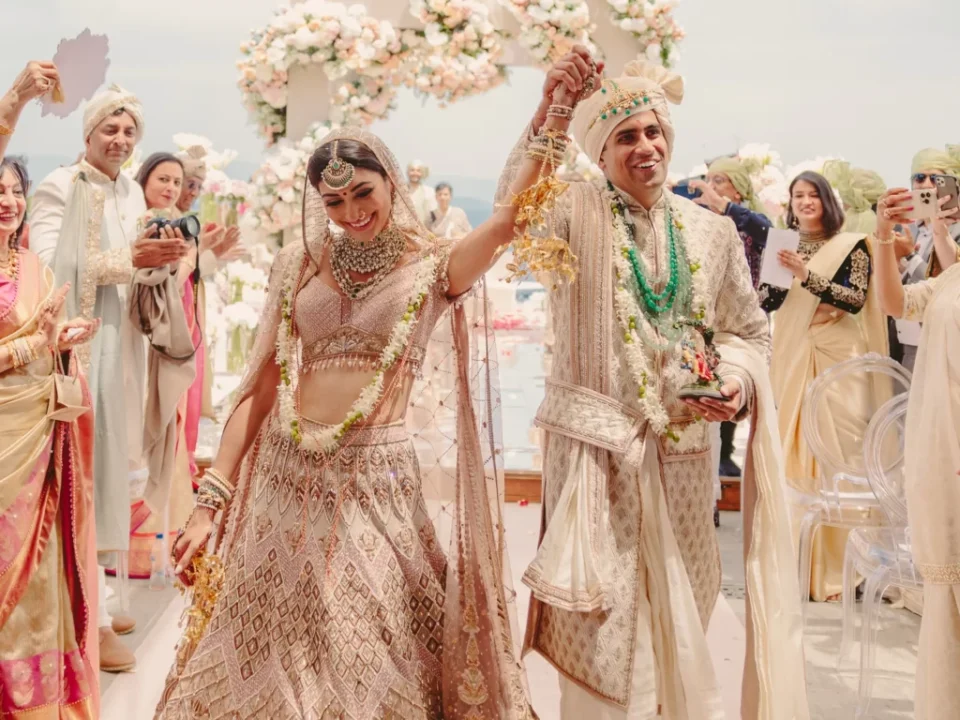
The tying itself takes longer than most people expect the first time they see it done properly — pleating, securing, and shaping the safa so it holds through a full day of photographs and dancing.
What Makes Safawala Different
Baga families booking through Safawala get a single point of contact for the whole process — fabric, fitting, and tying — rather than juggling a shop for the product and a separate stylist for the tying.
Local Expertise in Baga
Baga’s wedding season brings its own scheduling pressure, with multiple families often booking the same weekends. Safawala confirms stylist availability early for Baga bookings specifically because of this pattern, rather than assuming a slot will always be open closer to the date.
Why Baga Families Trust Us
For families who’ve dealt with a same-day rental counter before, the difference with Safawala’s Baga service is usually obvious by the fitting stage alone — there’s no rush, no guesswork on sizing, and no surprise about what’s included.
Areas We Cover Near Baga
Destination elements to a Baga wedding — a function held in Panaji or Calangute — are folded into the same booking rather than requiring a completely separate order.
What to Keep in Mind
During the busier wedding-season weekends in Baga, booking two to three weeks ahead rather than a few days out gives the stylist team enough room to schedule around multiple events on the same date.
Our Simple Booking Process
For Baga weddings booked well in advance, Safawala schedules the fitting appointment about two weeks out, which tends to give the most reliable fit on the day itself.
Whatever the scale of the Baga wedding, Safawala’s approach to safa tying doesn’t change — fitting first, fabric chosen for the occasion, and tying handled by someone who’s done it before.
Frequently Asked Questions About Safa Tying in Baga
How long does the actual tying take on the wedding morning?
Typically 20 to 30 minutes per person, depending on the style and how many people need to be tied. The stylist is scheduled with a buffer so this doesn't feel rushed against the ceremony time.
Is delivery and pickup included for Baga weddings?
Yes — delivery ahead of the event and pickup afterward are both arranged as part of the booking, so there's nothing extra for the family to organise once the wedding is over.
What if the wedding has multiple functions on different dates?
Fittings and tying sessions are scheduled separately for each function rather than assuming one tie holds across multiple events, since outfits and settings often differ between the sangeet, haldi, and main ceremony.
What happens if the safa doesn't fit properly on the day?
The stylist checks the fit again on the wedding morning, even after an earlier fitting, since minor adjustments are common. Small sizing corrections are handled on the spot as part of the service.
How is payment structured for a Baga booking?
A small advance confirms the booking, with the remaining balance settled on delivery. This keeps the upfront commitment low until the family has actually seen and approved the piece.
Can I see the fabric in person before confirming the booking?
Yes, a studio visit can be arranged for families who'd prefer to see and feel the fabric directly, though most Baga bookings are completed over WhatsApp with photos and video calls instead.
What if it's a same-week or last-minute booking?
Last-minute bookings can often still be accommodated, though the fitting and fabric options may be more limited. It's worth reaching out as early as possible even for urgent timelines.